
UPS and AVR systems for Gulf projects: heat, dust, and 400 V.
UPS, AVR and battery systems for UAE, Saudi Arabia and Qatar: 230/400 V 50 Hz, 45–50 °C ambient, IP54 options, SASO/SABER and ESMA documentation.
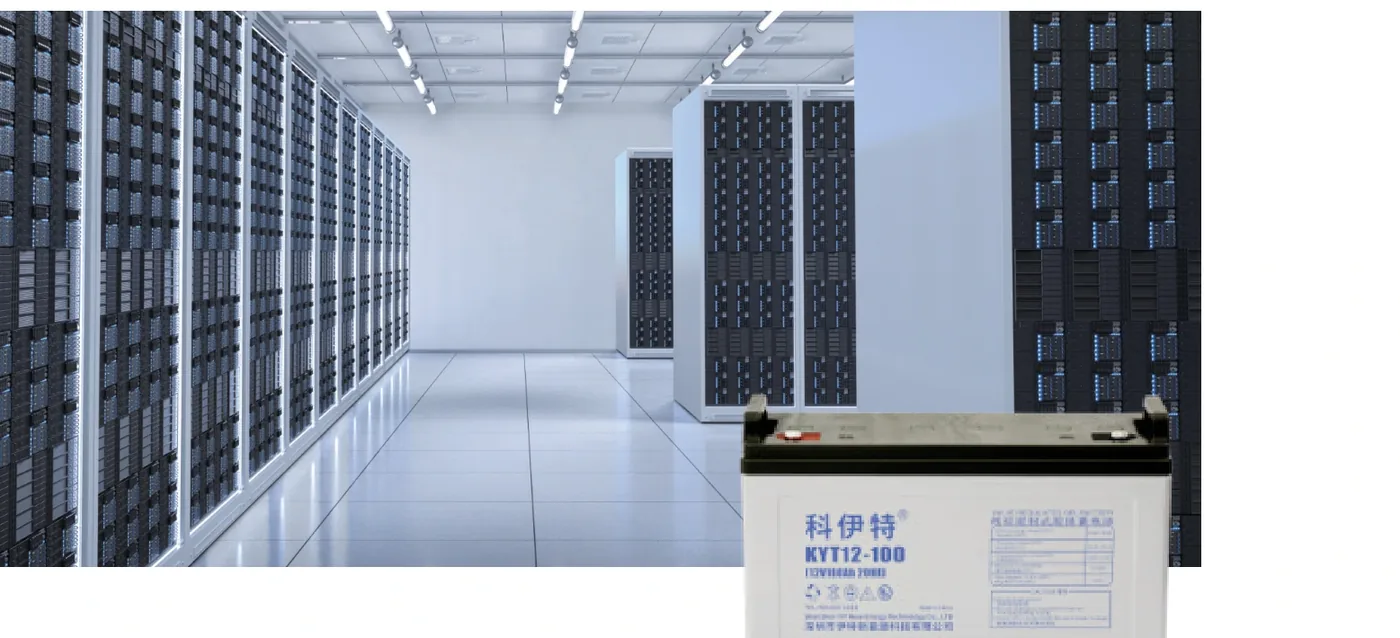
- Supply
- 230/400 V
- Design ambient
- 45–50 °C
- Saudi conformity
- SASO / SABER
- Outdoor option
- IP54
Gulf projects combine a 230/400 V 50 Hz supply, 45–50 °C ambient, dust, and a formal conformity route. The UPS, AVR, and battery must be selected for the heat and the utility interface, not only for the kVA. This guide covers Saudi, UAE, and Qatar procurement.
The page explains how temperature derating changes the battery and the frame, which documents the importer must confirm, and how equipment is delivered to Jebel Ali, Dammam, and Hamad Port.
How does the Gulf climate change UPS and battery selection?
Heat is the first design constraint. A VRLA battery rated for 10 years at 25 °C loses roughly half of that life at 35 °C and more at 40 °C. A UPS installed in an uncooled room must be derated, and the battery room must be ventilated or air-conditioned. If the room cannot be cooled, LiFePO4 with a wider operating window is often the better choice.
Dust is the second constraint. Filters, sealed cabinets, and a positive-pressure room reduce conductive dust. For outdoor or semi-outdoor installation, specify IP54 enclosures and sun shields; standard indoor units are IP20/IP21.
Derating factors for a 45 °C site
| Item | Standard rating | At 45 °C | Action |
|---|---|---|---|
| UPS output | 100% at 25 °C | About 80–90% | Size the frame for the derated load |
| VRLA life | 10 years at 25 °C | About 3–4 years | Cool the battery room or use LiFePO4 |
| Battery capacity | 100% at 25 °C | About 90–95% | Add 10–15% to the calculated Ah |
| Cooling load | UPS losses | Higher | Include the UPS and battery heat in the HVAC design |
Which conformity documents do Saudi Arabia, the UAE, and Qatar require?
Saudi Arabia uses SASO and the SABER platform for product registration and shipment certificates. The UAE uses ESMA for product conformity and the local utility (DEWA in Dubai, ADDC in Abu Dhabi) for interconnection. Qatar projects typically follow Kahramaa requirements and the importer’s conformity route.
Ask for the model-specific IEC 62040-1/-2/-3 test report, the CE report, the battery UN38.3 report for lithium, and the datasheet that states the 230/400 V 50 Hz configuration. The documents must name the model; a generic certificate is not enough for a project submittal.
- SASO / SABER product registration and shipment certificate
- ESMA conformity for the UAE
- DEWA / ADDC / Kahramaa interconnection requirements
- IEC 62040-1/-2/-3 test reports by model
- Battery UN38.3 and MSDS for lithium
- IEC 60038 voltage compatibility at 230/400 V 50 Hz
Which UPS and AVR configuration fits a Gulf project?
Most Gulf projects use a three-phase online UPS for the critical load and a three-phase AVR at the incoming supply when the utility voltage is unstable or the site has a generator. The UPS carries the IT, controls, and security load; the AVR protects the chillers, pumps, and other motor loads that are not on the UPS.
For a data center, use a modular N+1 frame with a maintenance bypass. For a commercial building, a 20–100 kVA three-phase UPS plus a 100–500 kVA servo AVR is a common split. For an industrial plant, an industrial UPS with a wide input window and high overload is the safer choice.
Typical Gulf configurations
| Application | Critical load | UPS | AVR / battery |
|---|---|---|---|
| Data center | 100–600 kW | Modular N+1, 200–800 kVA | AVR optional; 10–15 min battery |
| Commercial building | 20–80 kW | 20–100 kVA three-phase | 100–500 kVA servo AVR |
| Industrial plant | 30–150 kW | Industrial UPS 30–200 kVA | AVR + 15–30 min battery |
| Telecom / edge site | 3–15 kW | Rack or modular UPS | 48 VDC rectifier + battery |
| Security / control room | 5–20 kW | 10–20 kVA online | 4–8 h battery |
How is equipment delivered to the Gulf?
Small units ship by air to Dubai, Riyadh, Jeddah, or Doha. Larger UPS frames and battery cabinets ship by sea to Jebel Ali, Dammam, or Hamad Port. Typical air transit is 4–7 days; sea transit is about 18–30 days depending on the sailing and the port.
The quotation states the Incoterm, the port, and the packing. Clearing, inland transport, and utility approvals are handled by the buyer’s agent unless a delivered term is agreed. For a project submittal, include the SASO/SABER or ESMA requirement in the inquiry so the document pack is prepared before shipment.
Transit times are typical planning ranges. The binding lead time is stated in the quotation and confirmed at the purchase order.
Which standards and documents are referenced on this page?
The table lists the model-specific standards and conformity documents a project buyer should ask for. Availability depends on the frame, the battery, and the destination market; request the document that names your model.
UPS and Gulf conformity references
| Reference | What it covers |
|---|---|
| IEC 62040-1 | UPS general and safety requirements |
| IEC 62040-2 | UPS electromagnetic compatibility (EMC) |
| IEC 62040-3 | UPS performance and test requirements |
| IEC 60896-21 / -22 | VRLA stationary battery type and performance tests |
| IEC 62619 | Safety of lithium cells and batteries for industrial use |
| UN38.3 / MSDS | Lithium battery transport test and material safety data |
| CE / RoHS | EU conformity and restricted-substance declaration |
| ISO 9001 | Manufacturing quality management system |
| SNMP / MODBUS | Remote monitoring and BMS interface |
| IP20 / IP21 | Cabinet ingress protection for indoor installation |
| SASO / SABER | Saudi conformity platform and product certificate |
| ESMA | UAE Emirates Authority for Standardization and Metrology |
| DEWA / ADDC | Dubai and Abu Dhabi utility interconnection requirements |
| IEC 60038 | Standard voltages and 230/400 V 50 Hz compatibility |
Certificates are issued against the exact model and configuration. See the certifications page for how to confirm scope and revision, or send the model to request the current document.
Vincule la página con una plataforma.
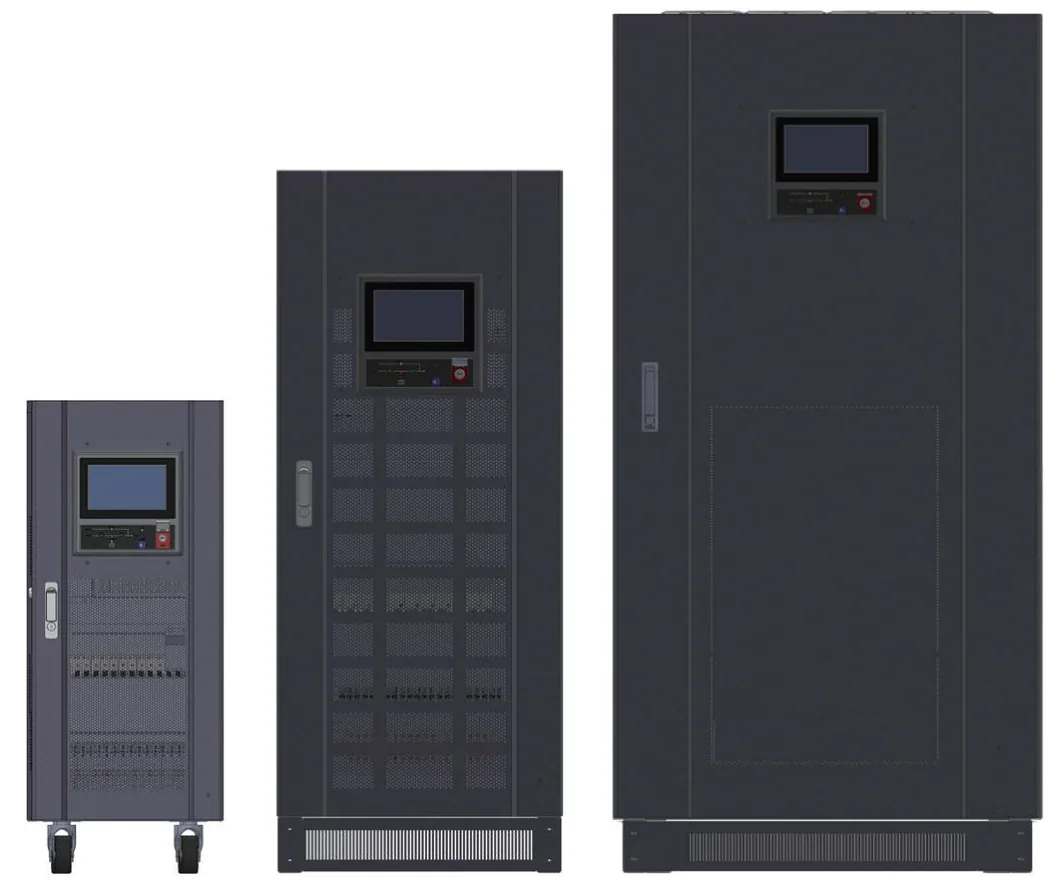
Series 3YT / GP · 10–200 kVA
UPS en línea trifásica
Doble conversión trifásica para cargas de instalaciones e industria.
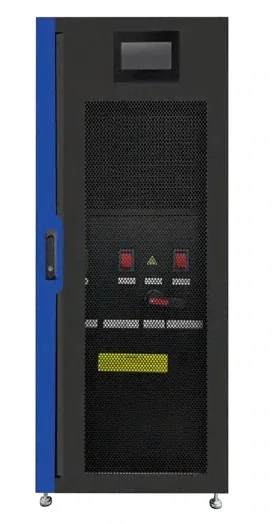
Chasis modulares · 10–600 kVA
UPS modular
Amplíe capacidad y redundancia con módulos intercambiables en caliente, uno a uno.
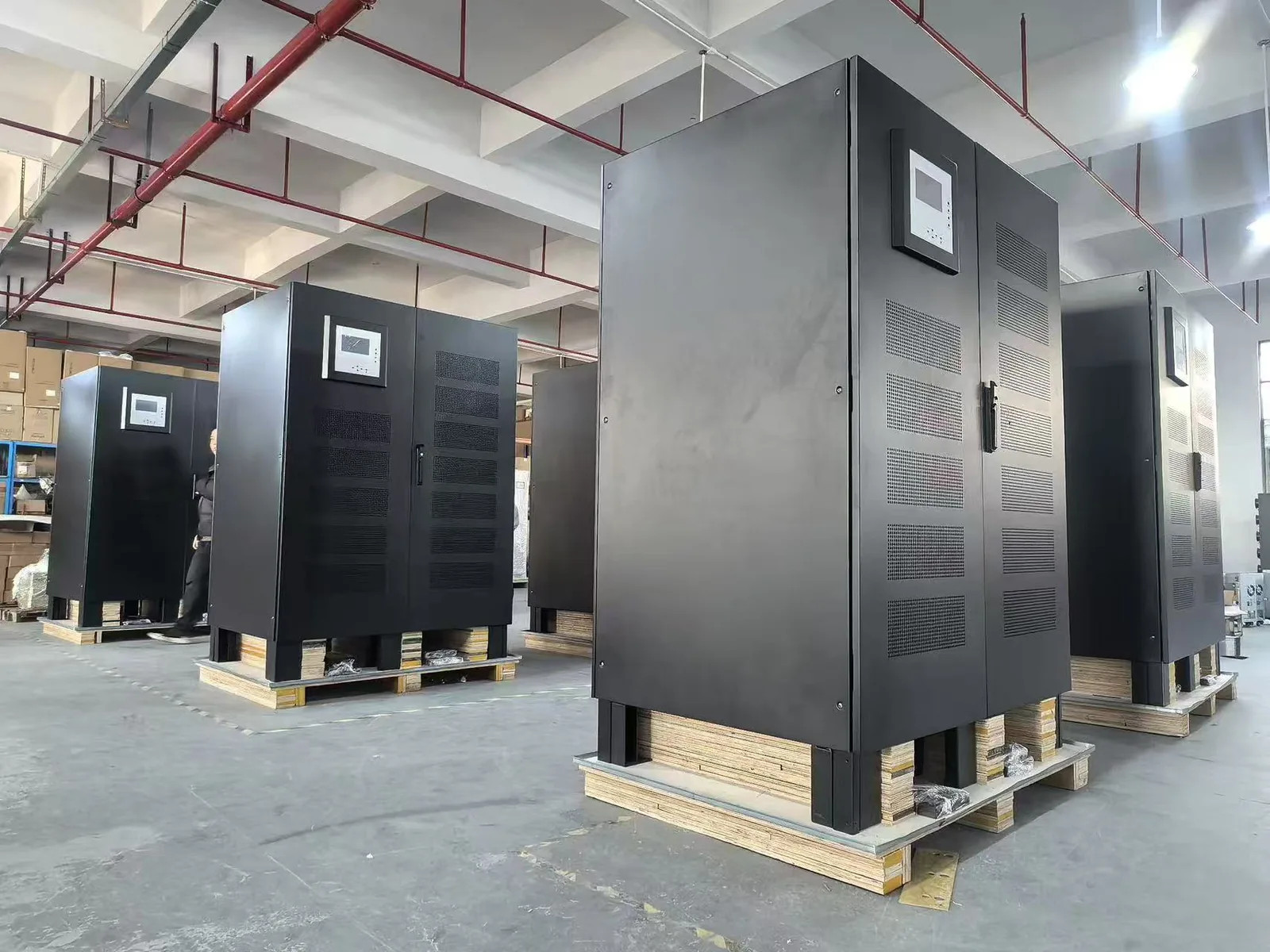
Gabinete industrial · 10–200 kVA
UPS industrial
Entrada amplia y alta sobrecarga para entornos adversos.
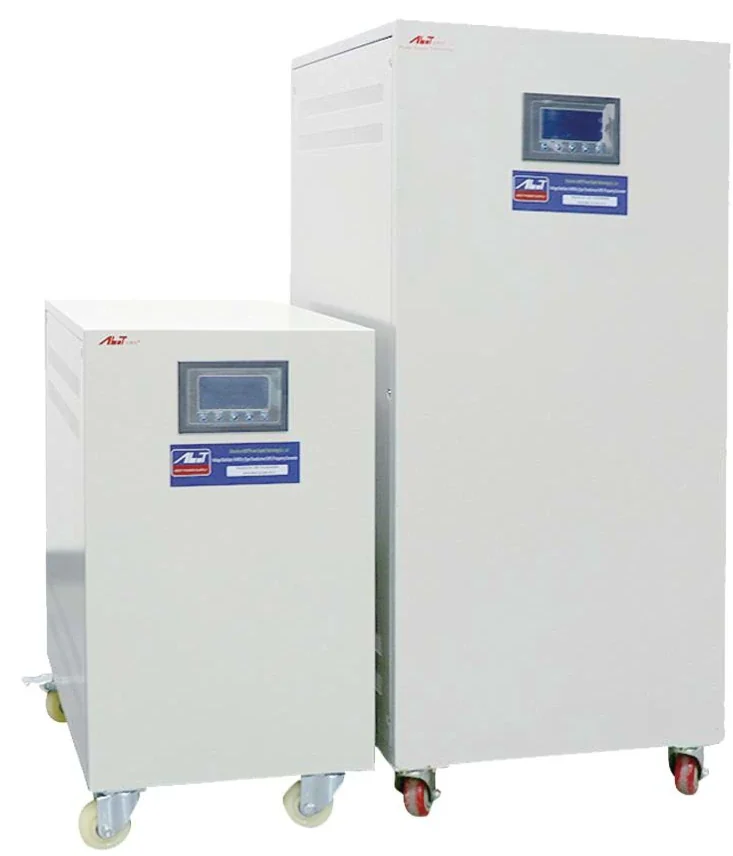
Serie SVC · 0.5–100 kVA
Estabilizador de voltaje servo
Salida estable en ±2% ante fluctuaciones de entrada de 160–456 V.
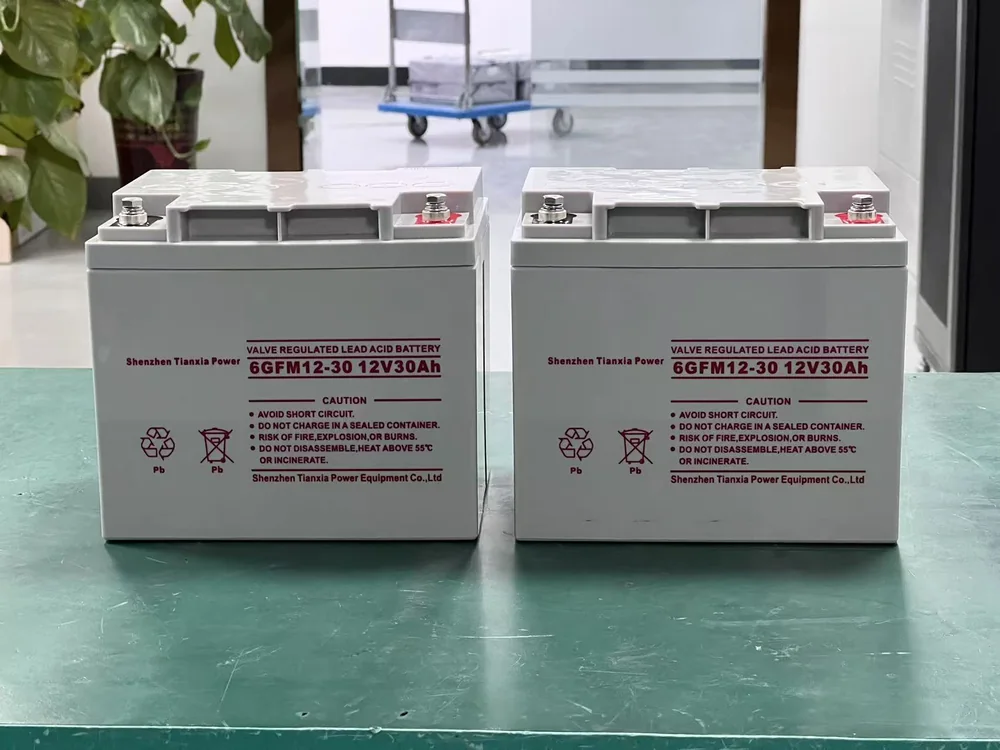
Bloques de batería de 12 V · 24–250 Ah
Batería VRLA
Batería de plomo-ácido sellada libre de mantenimiento para UPS y respaldo de telecomunicaciones.
Preguntas de compradores de proyectos.
Respuestas específicas del proyecto. Si su pregunta no está aquí, envíe la lista de cargas y las condiciones del sitio.
Hable con un ingeniero Can a standard UPS run at 45–50 °C in the Gulf?
Only with derating and a cooled or ventilated room. The output and the battery capacity must be reduced for the ambient, and the battery life will be shorter than the 25 °C rating. Specify the site ambient in the inquiry so the frame and battery are selected for it.
Do I need SASO or SABER for a Saudi project?
Saudi Arabia uses SASO and the SABER platform for product registration and shipment certificates. The importer usually handles registration; the factory provides the model test reports, datasheet, and declaration needed for the file.
Is a UPS or an AVR more important in the Gulf?
They solve different problems. The AVR corrects sustained voltage deviation and protects motor loads; the UPS carries the critical load through an outage. Most projects need both, sized from separate load lists.
Can you deliver to Jebel Ali or Dammam?
Yes. Sea freight to Jebel Ali, Dammam, or Hamad Port and air freight to Dubai, Riyadh, Jeddah, or Doha are the usual routes. The quotation states the Incoterm, the port, and the packing.
What battery is best for a hot climate?
VRLA is common for short runtime but ages quickly above 30 °C. LiFePO4 has a wider operating window and longer cycle life, but the room still needs ventilation and the BMS must be rated for the ambient. Confirm the battery room temperature before selecting.
Envíe la lista de cargas. Le devolveremos la configuración.
Indíquenos los kW, el tiempo de respaldo, la fase y el país del sitio. Recibirá una recomendación de capacidad, la configuración de baterías y la hoja de modelo.
- Recomendación de capacidad y topología
- Estimación del banco de baterías y autonomía
- Hoja de modelo y oferta comercial
Solicitar una configuración y cotización
Envíe la lista de cargas, el tiempo de respaldo y las condiciones del sitio. Le devolveremos una recomendación de capacidad, la configuración de baterías y una oferta comercial.