
Large-capacity UPS: 20–200 kVA for facilities and data centers.
Large UPS frames from 20 to 200 kVA with parallel options, 384 VDC battery banks, 0 ms transfer and project support for data centers and plants.
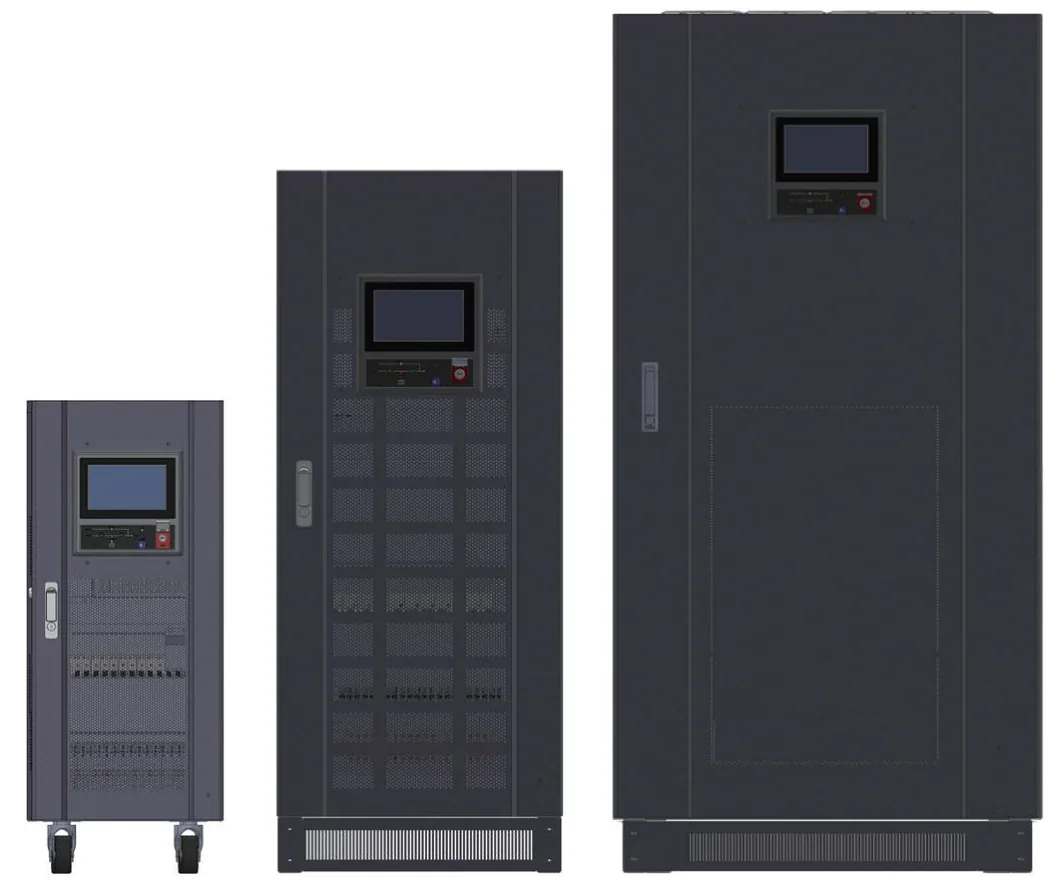
- Frame range
- 20–200 kVA
- Battery bus
- 384 VDC
- Parallel units
- Up to 6
- Transfer
- 0 ms
Above 20 kVA, the UPS becomes a project item. The frame, battery, bypass, switchgear, cable, cooling, and floor loading are all part of the design. A 200 kVA UPS can weigh more than a small car with its battery bank, and the room must be planned before the equipment arrives.
The 20–200 kVA range covers small and medium data centers, hospitals, telecom core sites, commercial buildings, and industrial plants. The choice between a monolithic frame and a modular frame depends on the redundancy target, the growth plan, and the available floor space.
Monolithic or modular large UPS?
A monolithic frame is simpler and often lower cost for a fixed load. A modular frame is better when the load will grow in phases or when N+1 redundancy must be maintained without a full parallel system. For a 200 kW data center with a phased fit-out, modular is usually the better lifecycle choice.
For a plant with a stable load and a single large frame, a monolithic 100–200 kVA UPS with an external maintenance bypass is straightforward and easy to service.
How big is the battery bank for 2 hours?
A 100 kVA UPS at 80% load and 0.9 PF draws 72 kW. For 2 hours, the usable energy is about 144 kWh; at 80% depth of discharge, the nominal bank is about 180 kWh. At 384 VDC, that is roughly 470 Ah, or five 100 Ah strings of 32 blocks. The battery room, floor loading, and ventilation become major design items.
For long runtime, lithium can reduce the footprint and weight, but the UPS charger and BMS must be compatible. Do not assume a lead-acid charger can charge a lithium bank safely.
Large UPS battery examples at 80% load
| UPS | Load | Runtime | Nominal energy | Approx. 12 V 100 Ah blocks |
|---|---|---|---|---|
| 20 kVA | 14.4 kW | 1 h | 18 kWh | 32 blocks (1 string) |
| 60 kVA | 43.2 kW | 1 h | 54 kWh | 64 blocks (2 strings) |
| 100 kVA | 72 kW | 1 h | 90 kWh | 96 blocks (3 strings) |
| 100 kVA | 72 kW | 2 h | 180 kWh | 160 blocks (5 strings) |
| 200 kVA | 144 kW | 1 h | 180 kWh | 160 blocks (5 strings) |
Indicative only. Final sizing must use the battery discharge curve, end voltage, temperature, and charger limit.
What does the UPS room need?
- Floor loading for the UPS and battery cabinets
- Maintenance clearance at the front and rear
- Cooling for the UPS losses and battery recharge
- Ventilation for the battery room
- Fire detection and suppression per local code
- Cable entry and bend radius for the input/output cables
- A maintenance bypass and upstream protection
- Access route for delivery and future replacement
Which standards and documents are referenced on this page?
The table lists the model-specific standards and conformity documents a project buyer should ask for. Availability depends on the frame, the battery, and the destination market; request the document that names your model.
UPS standards and documents
| Reference | What it covers |
|---|---|
| IEC 62040-1 | UPS general and safety requirements |
| IEC 62040-2 | UPS electromagnetic compatibility (EMC) |
| IEC 62040-3 | UPS performance and test requirements |
| IEC 60896-21 / -22 | VRLA stationary battery type and performance tests |
| IEC 62619 | Safety of lithium cells and batteries for industrial use |
| UN38.3 / MSDS | Lithium battery transport test and material safety data |
| CE / RoHS | EU conformity and restricted-substance declaration |
| ISO 9001 | Manufacturing quality management system |
| SNMP / MODBUS | Remote monitoring and BMS interface |
| IP20 / IP21 | Cabinet ingress protection for indoor installation |
Certificates are issued against the exact model and configuration. See the certifications page for how to confirm scope and revision, or send the model to request the current document.
Confirm the inputs and documents before quoting.
Project inputs to confirm
| Item | What to confirm | Why it matters |
|---|---|---|
| Load | Running kW, largest motor, load step | Sets kVA, overload and topology |
| Runtime | Minutes, generator availability, battery room | Sets battery bank and charger |
| Supply | Voltage, frequency, phase, input current | Sets model, breaker and cable |
| Site | Country, altitude, ambient temperature, dust | Sets derating, IP and documents |
| Battery | VRLA, LiFePO4, footprint, weight limit | Sets chemistry and room layout |
| Documentation | Conformity route, test report, language | Sets document package and lead time |
Match the page to a platform.
3YT / GP Series · 10–200 kVA
Three-Phase Online UPS
Three-phase double conversion for facility and industrial loads.
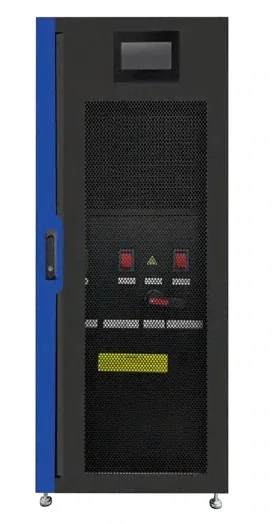
Modular frames · 10–600 kVA
Modular UPS
Scale capacity and redundancy one hot-swappable module at a time.
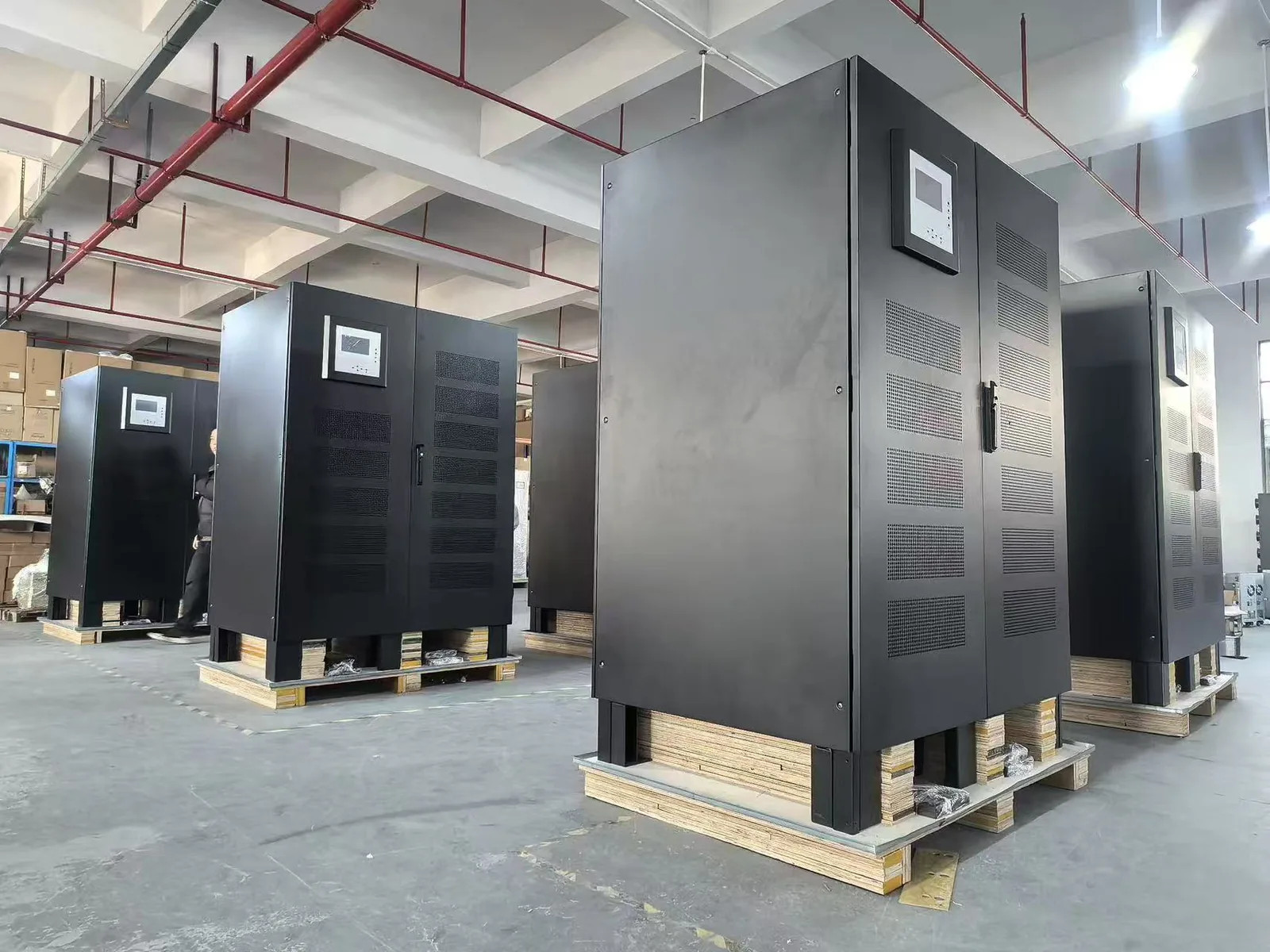
Industrial frame · 10–200 kVA
Industrial UPS
Wide input, high overload, and harsh-environment protection.
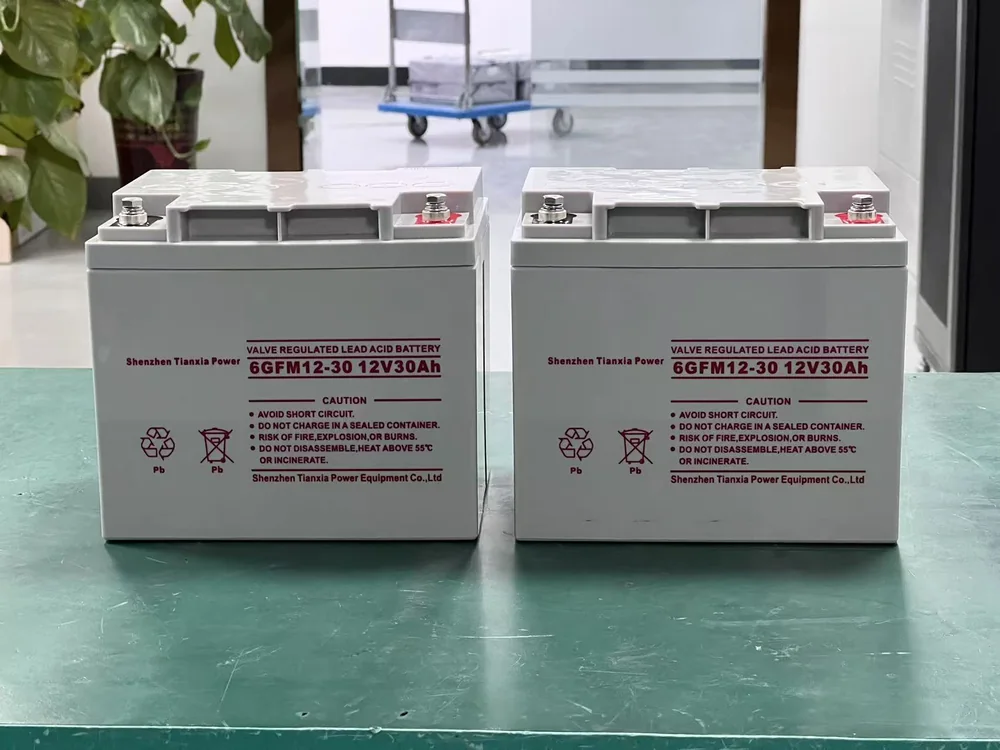
12 V blocks · 24–250 Ah
VRLA Battery
Maintenance-free sealed lead-acid blocks for UPS and telecom backup.
Questions from project buyers.
Project-specific answers. If your question is not here, send the load list and the site conditions.
Talk to an engineer How much floor space does a 200 kVA UPS need?
The UPS frame is about 705 × 1,051 × 1,646 mm, but the battery cabinets and maintenance clearance can triple the footprint. Plan the room from the layout drawing, not from the UPS dimensions alone.
Can I install a large UPS on an upper floor?
Only after a structural check. A 200 kVA UPS with a 1-hour battery bank can weigh several tonnes. The floor loading, the access route, and the lifting equipment must be confirmed.
Should I use a shared battery bank for parallel UPS?
Shared battery is possible on selected frames, but it requires careful protection coordination and a common DC bus design. Separate battery banks are simpler and isolate a fault to one UPS.
How long does a large UPS project take?
Lead time depends on the frame, battery, and documentation. The project schedule should include approval drawings, battery room preparation, delivery, installation, commissioning, and load testing.
Do you provide a single-line diagram?
Yes, for project orders we provide the UPS single-line diagram, terminal details, and battery configuration. The upstream switchgear and bypass are coordinated with the local electrical contractor.
Send the load list. We will return the configuration.
Tell us the kW, the backup time, the phase, and the site country. You will get a capacity recommendation, a battery configuration, and the model sheet.
- Capacity and topology recommendation
- Battery bank and runtime estimate
- Model sheet and commercial offer
Request a configuration and quotation
Send the load list, backup time, and site conditions. We will return a capacity recommendation, battery configuration, and commercial offer.