
Security room UPS: keep the cameras recording when the grid drops.
UPS and battery configurations for CCTV, access control and security rooms: 4–8 hour runtime, rack and tower options, PoE load planning, remote alerts.
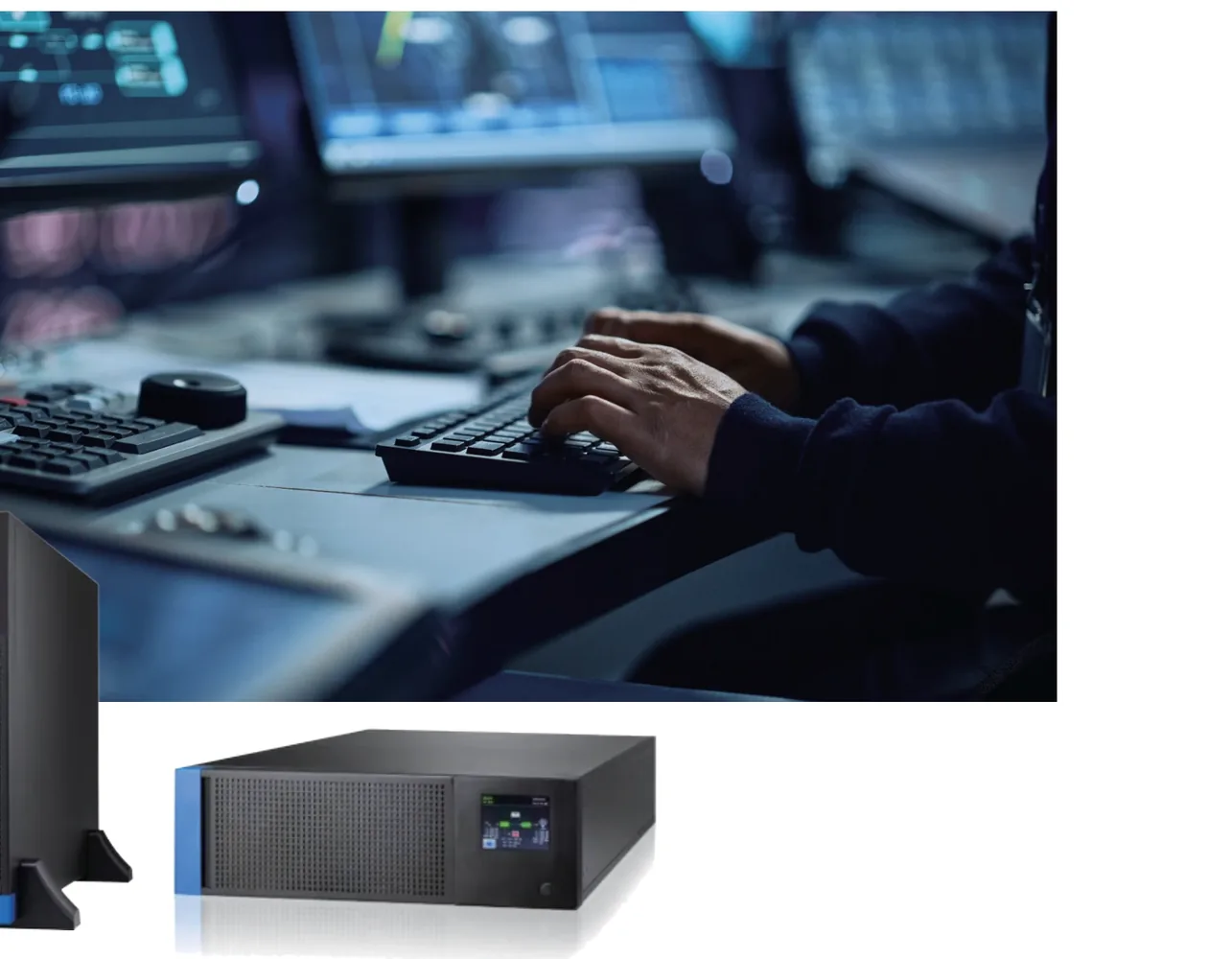
- Typical runtime
- 4–8 h
- Typical UPS
- 1–5 kVA
- Camera load
- PoE
- Remote alert
- SNMP
A security system is judged by what it recorded during the incident, not by what it recorded on a normal day. If the UPS drops the NVR and the cameras during an outage, the site has a blind spot exactly when it matters. The backup must be sized for the recorder, the cameras, the network, and the access control.
Security loads are often small but continuous: an NVR draws 50–150 W, a PoE camera 5–15 W, a switch 30–100 W, and an access controller 20–50 W. The runtime target is usually 4–8 hours, which makes the battery, not the UPS, the main cost.
How do I calculate the security load?
Add the NVR, the PoE switch, the cameras, the access controllers, the alarm panel, and the monitor. Use the actual wattage, not the power-supply rating. A 16-channel NVR with four drives may draw 120 W; 16 PoE cameras at 8 W each add 128 W; a 24-port PoE switch adds 60 W; the access controllers and alarm panel add 80 W. The total is about 390 W.
Add 20–25% for growth and battery aging. For a 390 W load, design for about 480 W. A 1 kVA online UPS at 0.9 PF delivers 900 W, so it has enough capacity; the runtime is set by the battery.
Typical security loads
| Equipment | Typical draw | Notes |
|---|---|---|
| 8-channel NVR + 2 drives | 60–100 W | Depends on drives and recording mode |
| 16-channel NVR + 4 drives | 100–160 W | PoE budget separate |
| PoE camera | 5–15 W | IR and heater increase draw |
| 24-port PoE switch | 40–120 W | Plus camera PoE load |
| Access controller | 20–50 W | Lock current is separate |
| Alarm panel | 20–60 W | Siren current is separate |
| Monitor | 25–50 W | Often omitted from the load list |
How do I get 4–8 hours of runtime?
At 480 W and 4 hours, the usable energy is 1.92 kWh; at 80% depth of discharge, the nominal bank is 2.4 kWh. On a 24 VDC bus, that is about 100 Ah. At 8 hours, the bank doubles to about 200 Ah. A 1 kVA UPS with a 24 V 100 Ah bank is a practical 4-hour configuration; a 2 kVA unit with a 24 V 200 Ah bank covers 8 hours.
Use a long-runtime UPS with an external battery pack or a battery cabinet. Confirm the charger current; a small charger may take a long time to recharge a 200 Ah bank, and the next outage may arrive before the battery is full.
Security runtime examples at 480 W
| Runtime | Nominal energy | 24 V bank | 48 V bank |
|---|---|---|---|
| 2 h | 1.2 kWh | 50 Ah | 25 Ah |
| 4 h | 2.4 kWh | 100 Ah | 50 Ah |
| 8 h | 4.8 kWh | 200 Ah | 100 Ah |
| 12 h | 7.2 kWh | 300 Ah | 150 Ah |
What else should the security room include?
- A dedicated circuit for the UPS, not a shared lighting circuit
- A lockable rack or cabinet for the UPS and battery
- Ventilation for the battery and the UPS heat
- A surge protective device on the incoming supply
- SNMP or dry-contact alerts to the monitoring station
- A battery test every 12 months
- A label with the load list and the runtime target
Which standards and documents are referenced on this page?
The table lists the model-specific standards and conformity documents a project buyer should ask for. Availability depends on the frame, the battery, and the destination market; request the document that names your model.
Application and protection standards
| Reference | What it covers |
|---|---|
| IEC 62040-1 / -2 / -3 | UPS safety, EMC and performance basis |
| IEC 61643-11 | Surge protective devices connected to low-voltage systems |
| IEC 61643-12 | SPD selection and application principles |
| IEC 61000-4-5 | Surge immunity test for electrical equipment |
| IEC 62305 | Lightning protection and risk management |
| IEC 62305-1 / -2 / -3 / -4 | Lightning risk, design, testing and inspection |
| IEC 60364-4-41 | Protection against electric shock |
| IEC 60364-5-53 | Switchgear, controlgear and protective device coordination |
| IEC 60364-5-54 | Earthing arrangements and protective conductors |
| UL 1449 | North American SPD safety standard |
| CE / RoHS | EU conformity and restricted-substance declaration |
| ISO 9001 | Manufacturing quality management system |
Certificates are issued against the exact model and configuration. See the certifications page for how to confirm scope and revision, or send the model to request the current document.
What does a 96-camera security system need for 8 hours?
Ninety-six PoE cameras at an average of 8 W draw 768 W; the NVR, switches, access control and alarm panel add about 550 W. The total is 1.32 kW. A 3 kVA online UPS with a 48 V 300 Ah LiFePO4 bank delivers about 8 hours, with enough PoE budget for IR and camera heaters.
- Total load
- 1.32 kW
- UPS size
- 3 kVA
- Runtime
- 8 h
- DC bus
- 48 V
Load and battery estimate
| Load group | Reference value | Notes |
|---|---|---|
| 96 PoE cameras | 768 W | 8 W average; IR and heaters can double it |
| NVR + switches | 450 W | Four drives and a 24-port PoE switch |
| Access + alarm | 100 W | Lock current and siren are separate |
| Total | 1.32 kW | Add 20% for growth and aging |
| Battery | 48 V 300 Ah LiFePO4 | About 8 hours at 1.32 kW |
- Put the recorder, cameras and network on the UPS; leave the monitor optional.
- Confirm the PoE switch budget, not just the camera count.
- Use a lockable rack or cabinet and ventilate the battery.
- Run a load test every 12 months; camera count grows quietly.
Reference configuration based on typical industry inputs. It is not a named customer project, and the image is illustrative.
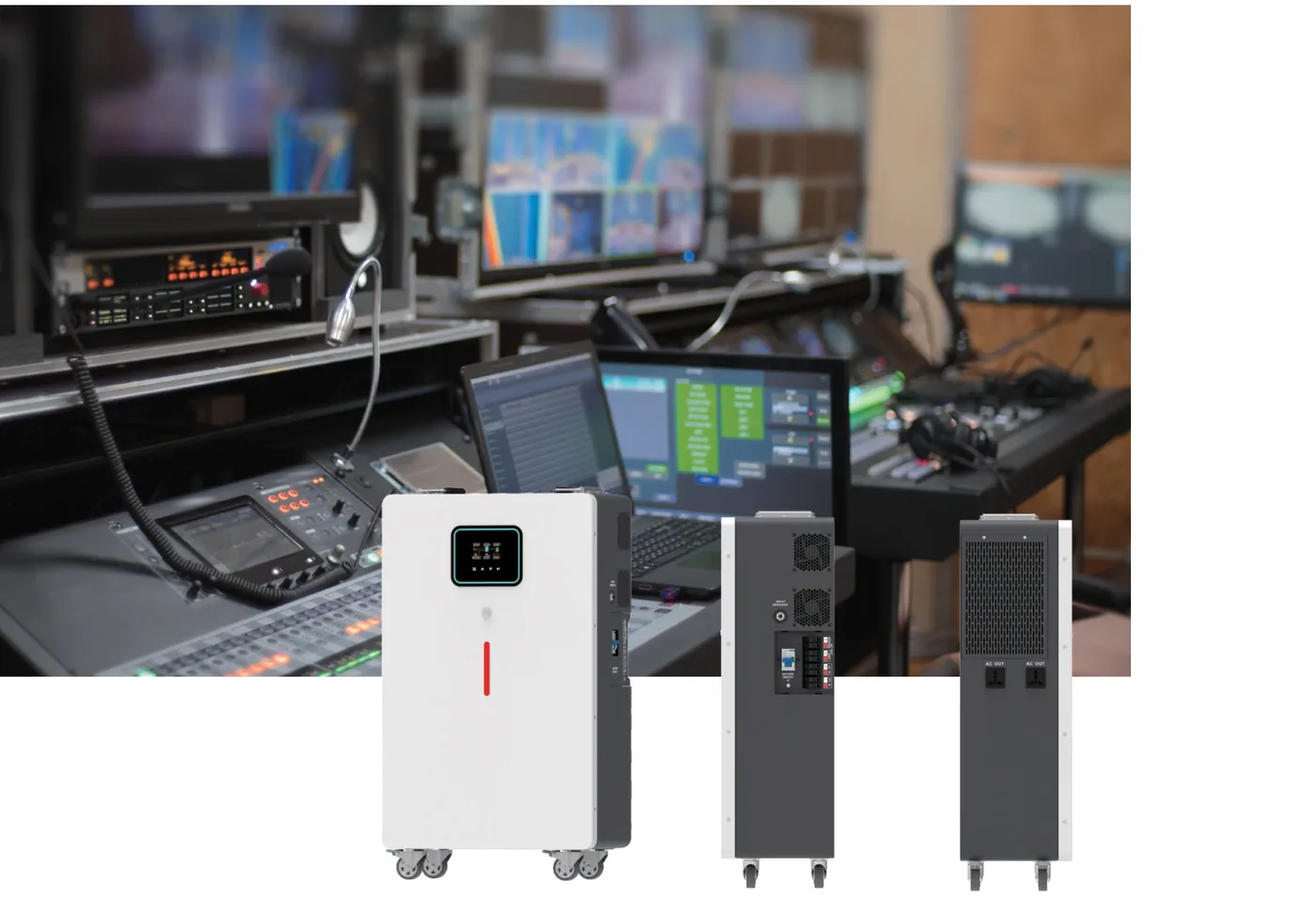
Match the page to a platform.
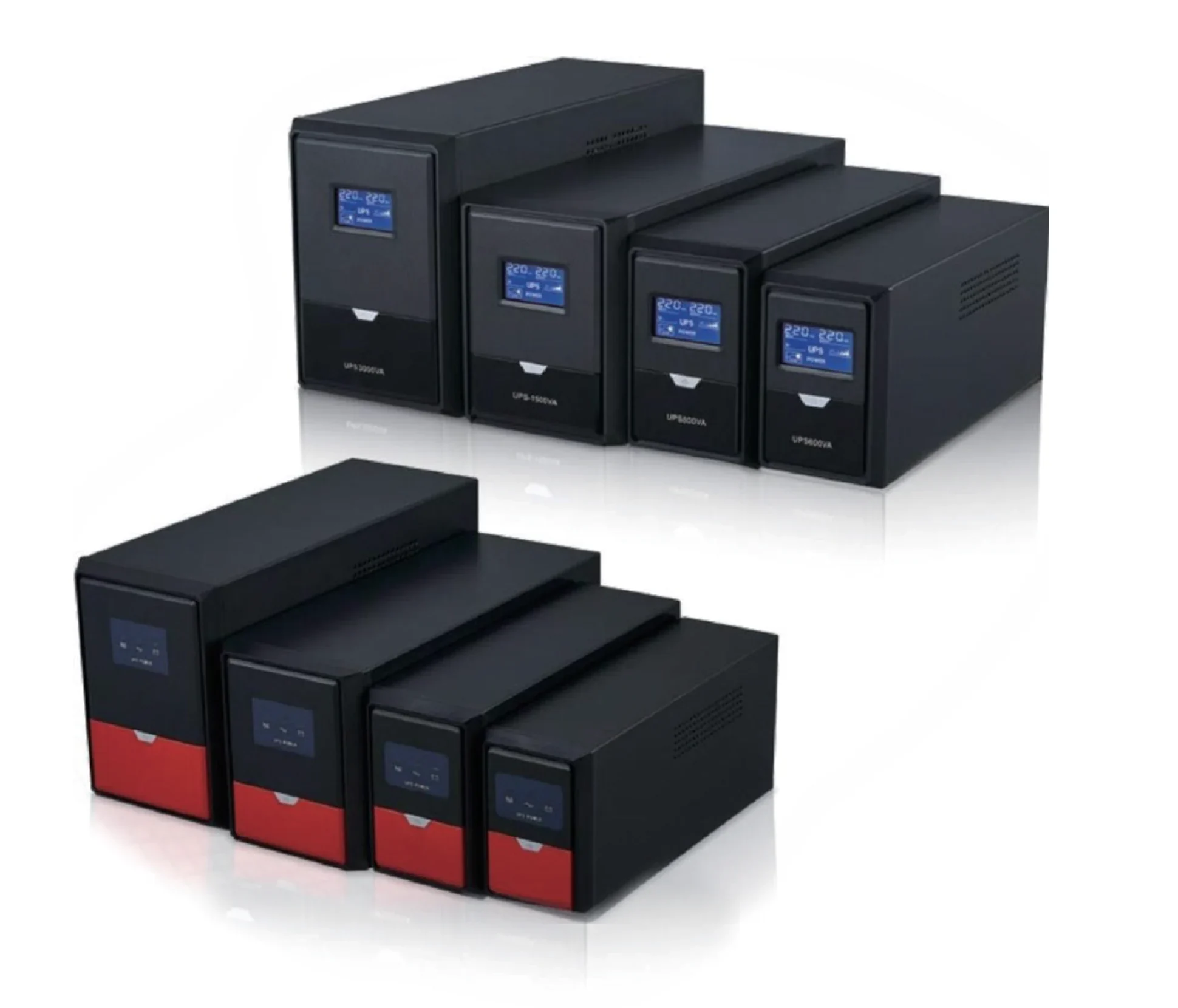
MT / HI11 / AP / AK · 500 VA – 5 kVA
Line-Interactive UPS
Compact, AVR-corrected backup for POS, security, and office loads.
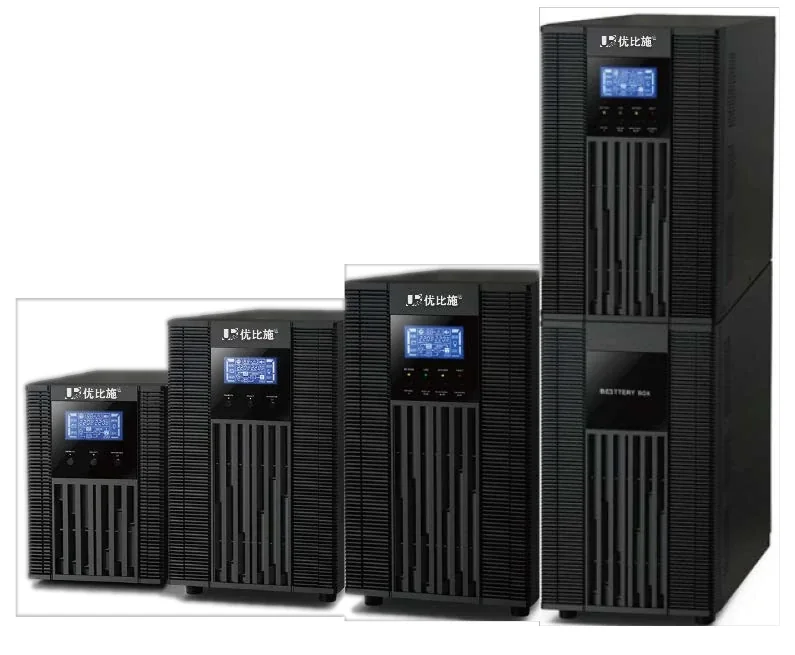
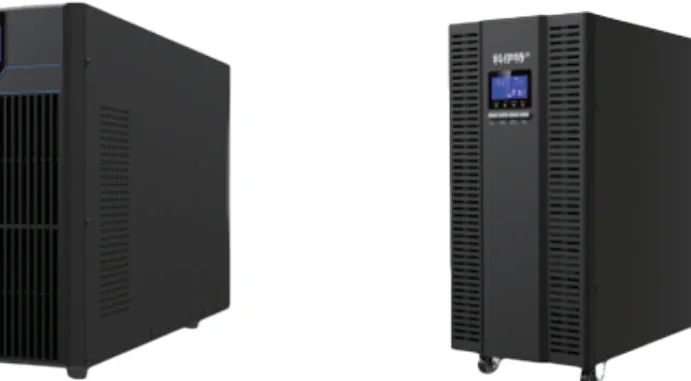
YT Series · 1–10 kVA
Single-Phase Online UPS
Double-conversion, 0 ms protection for servers, medical, and telecom loads.
YT-R / UM / RT · 1–60 kVA
Rack-Mount UPS
Double conversion in 1U–3U, built for racks and edge rooms.
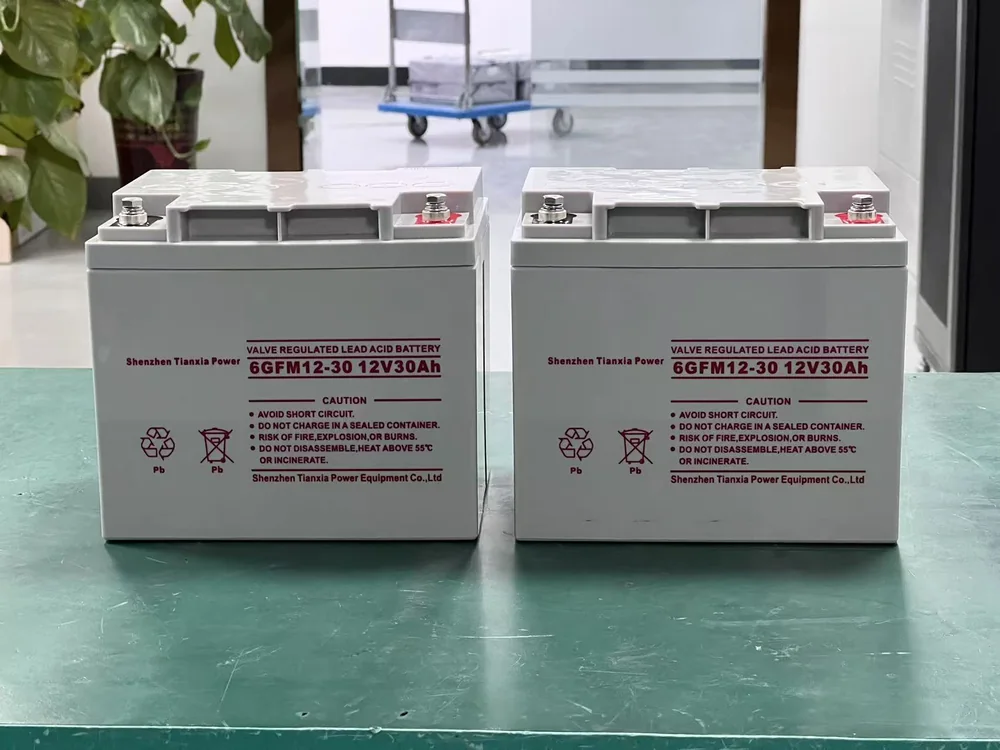
12 V blocks · 24–250 Ah
VRLA Battery
Maintenance-free sealed lead-acid blocks for UPS and telecom backup.
Questions from project buyers.
Project-specific answers. If your question is not here, send the load list and the site conditions.
Talk to an engineer How long should a CCTV UPS last?
Most security rooms target 4–8 hours. The exact runtime depends on the recorder, cameras, switch, and access control load. Size the battery from the measured wattage, not the camera count alone.
Can a line-interactive UPS run a security system?
Yes, if the load can tolerate a 4–6 ms transfer and the output is adequate. For a recorder with sensitive drives or a remote site, an online UPS is safer.
Do I need to back up the monitor?
Only if the guard needs to see the cameras during the outage. The recorder and network are the priority; the monitor can be excluded to save battery.
Can I use a PoE switch on the UPS?
Yes, but include the PoE camera load in the UPS sizing. The switch’s own draw plus the camera PoE budget is the load, not just the switch nameplate.
How do I know the battery is still good?
Run a load test every 12 months, or use a battery monitor that reports string voltage and temperature. Replace the battery when the runtime falls below the target.
Send the load list. We will return the configuration.
Tell us the kW, the backup time, the phase, and the site country. You will get a capacity recommendation, a battery configuration, and the model sheet.
- Capacity and topology recommendation
- Battery bank and runtime estimate
- Model sheet and commercial offer
Request a configuration and quotation
Send the load list, backup time, and site conditions. We will return a capacity recommendation, battery configuration, and commercial offer.