
Telecom site power: DC, AC, and long runtime in remote locations.
UPS and battery configurations for telecom sites: 48 VDC and AC loads, 4–8 hour runtime, wide temperature, remote monitoring, and generator coordination.
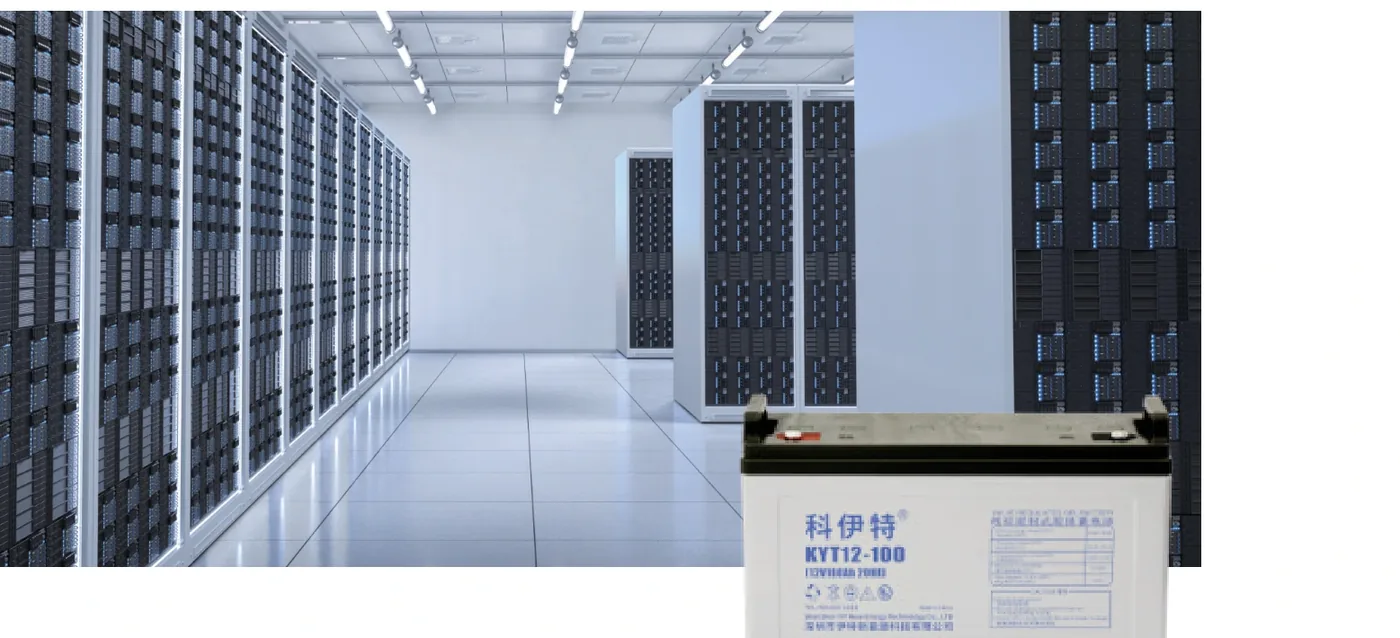
- Radio load
- 48 VDC
- Typical runtime
- 4–8 h
- Ambient range
- −10–55 °C
- Remote site
- SNMP
Telecom sites have a different load profile from a server room: the equipment is often 48 VDC, the site may be unmanned, the ambient temperature can be high, and the runtime target is set by the maintenance visit interval. A standard IT UPS is not always the right fit.
The practical architecture is a 48 VDC rectifier system for the radio equipment, plus an AC UPS for the site’s AC loads (lights, air conditioning controls, security). Where the site has only AC equipment, a rack UPS with a long-runtime battery and remote monitoring is a simpler solution.
Should the site use a DC rectifier or an AC UPS?
If the radio equipment is 48 VDC, a rectifier system with a battery bank is the standard. It converts AC to 48 VDC, floats the battery, and feeds the radio. An AC UPS is not needed for the DC load, although it may be used for the site’s AC loads.
If the site equipment is AC (a small base station, a microwave link, a security system), a rack UPS with a long-runtime battery is simpler. Confirm the input voltage, the frequency, and the battery chemistry.
Telecom site power options
| Load | Best architecture | Battery | Notes |
|---|---|---|---|
| 48 VDC radio | Rectifier + 48 V battery | VRLA or LiFePO4 | Standard telecom design |
| AC equipment | Rack UPS | VRLA or LiFePO4 | Long runtime, remote monitoring |
| Mixed load | Rectifier + AC UPS | Separate banks | Avoid sharing a DC bus without design |
| Security / access | Small UPS | VRLA | Separate from radio load |
How much runtime does a telecom site need?
The runtime is set by the maintenance response time, not by the outage duration alone. If the site is visited within 4 hours, a 4-hour battery is a minimum; 8 hours gives a margin for a delayed visit. In a hot climate, the battery capacity and life derate, so the bank may need to be larger.
For a 48 VDC load of 30 A, 4 hours needs about 120 Ah usable; at 80% DOD, the nominal bank is 150 Ah. At 40 °C, the available capacity is lower, so a 200 Ah bank may be needed to deliver the same runtime.
What environmental protection does the site need?
- IP-rated enclosure or a shelter with filtered ventilation
- Battery compartment separated from heat-producing equipment
- Temperature-compensated charging
- Surge protection on the AC and DC sides
- Remote monitoring with SNMP or dry contacts
- Theft-resistant battery mounting
- Low-voltage disconnect to protect the battery
Which standards and documents are referenced on this page?
The table lists the model-specific standards and conformity documents a project buyer should ask for. Availability depends on the frame, the battery, and the destination market; request the document that names your model.
Application and protection standards
| Reference | What it covers |
|---|---|
| IEC 62040-1 / -2 / -3 | UPS safety, EMC and performance basis |
| IEC 61643-11 | Surge protective devices connected to low-voltage systems |
| IEC 61643-12 | SPD selection and application principles |
| IEC 61000-4-5 | Surge immunity test for electrical equipment |
| IEC 62305 | Lightning protection and risk management |
| IEC 62305-1 / -2 / -3 / -4 | Lightning risk, design, testing and inspection |
| IEC 60364-4-41 | Protection against electric shock |
| IEC 60364-5-53 | Switchgear, controlgear and protective device coordination |
| IEC 60364-5-54 | Earthing arrangements and protective conductors |
| UL 1449 | North American SPD safety standard |
| CE / RoHS | EU conformity and restricted-substance declaration |
| ISO 9001 | Manufacturing quality management system |
Certificates are issued against the exact model and configuration. See the certifications page for how to confirm scope and revision, or send the model to request the current document.
Confirm the inputs and documents before quoting.
Project inputs to confirm
| Item | What to confirm | Why it matters |
|---|---|---|
| Load | Running kW, largest motor, load step | Sets kVA, overload and topology |
| Runtime | Minutes, generator availability, battery room | Sets battery bank and charger |
| Supply | Voltage, frequency, phase, input current | Sets model, breaker and cable |
| Site | Country, altitude, ambient temperature, dust | Sets derating, IP and documents |
| Battery | VRLA, LiFePO4, footprint, weight limit | Sets chemistry and room layout |
| Documentation | Conformity route, test report, language | Sets document package and lead time |
What does an 8-hour 48 VDC base station look like?
A 60 A radio load at 48 VDC is 2.88 kW; the site’s AC loads add 1 kW. For an 8-hour hold-up, the battery is 48 V 600 Ah VRLA or 400 Ah LiFePO4. A 4 × 50 A rectifier in N+1 leaves one module for service, and the site is wired for a solar input without changing the DC bus.
- Radio load
- 2.88 kW
- AC load
- 1 kW
- Runtime
- 8 h
- Rectifier
- N+1
Reference configuration
| Item | Reference value | Why it matters |
|---|---|---|
| Radio load | 48 VDC, 60 A (2.88 kW) | The rectifier and battery must carry it together |
| AC load | About 1 kW | Lights, fan, security and monitoring |
| Rectifier | 4 × 50 A, N+1 | One module out for service |
| Battery | 48 V 600 Ah VRLA or 400 Ah LiFePO4 | About 8 hours at the design load |
| Environment | −10 to 55 °C, filtered shelter | Battery capacity derates in heat |
- Set the low-voltage disconnect before the battery is damaged, not after.
- Use temperature-compensated charging in hot climates.
- Protect both the AC and DC sides with surge protective devices.
- Agree the alarm mapping with the telecom NOC before commissioning.
Reference configuration based on typical industry inputs. It is not a named customer project, and the image is illustrative.
Match the page to a platform.
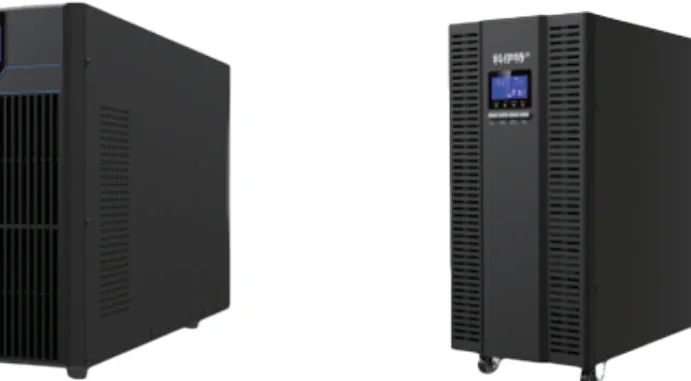
YT-R / UM / RT · 1–60 kVA
Rack-Mount UPS
Double conversion in 1U–3U, built for racks and edge rooms.
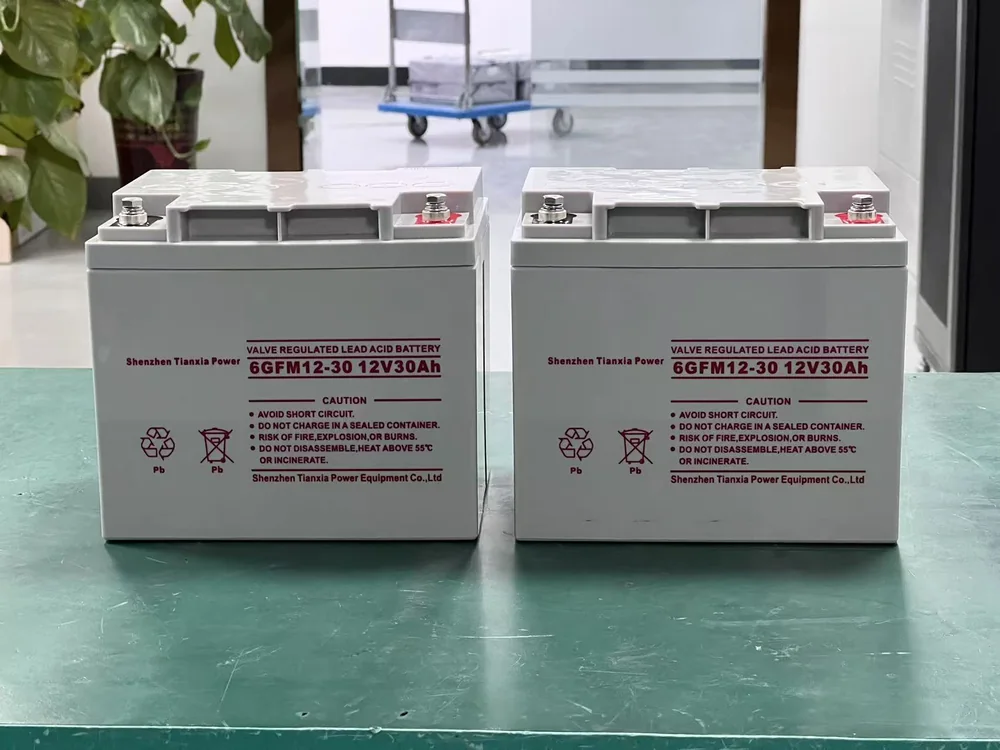
12 V blocks · 24–250 Ah
VRLA Battery
Maintenance-free sealed lead-acid blocks for UPS and telecom backup.
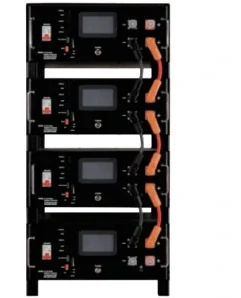
51.2 V rack · 50–280 Ah
LiFePO4 Battery
More usable cycles and less weight for long runtime.
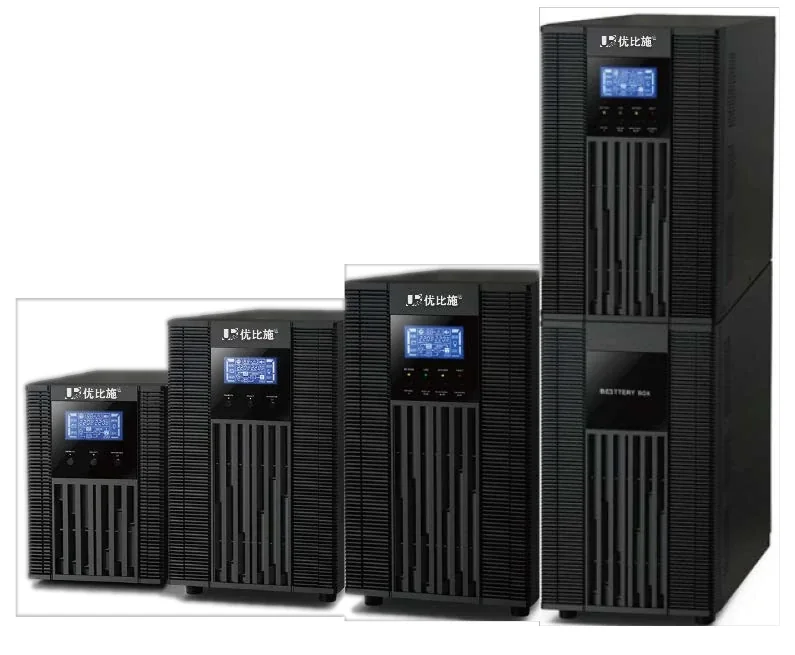
YT Series · 1–10 kVA
Single-Phase Online UPS
Double-conversion, 0 ms protection for servers, medical, and telecom loads.
Questions from project buyers.
Project-specific answers. If your question is not here, send the load list and the site conditions.
Talk to an engineer Can I use a standard UPS for a telecom site?
Yes for AC equipment, if the UPS is rated for the ambient temperature and has the right runtime. For 48 VDC radio equipment, a rectifier system is the standard.
How long should the battery last at a remote site?
At least the maintenance response time, typically 4–8 hours. Add a margin for high temperature and battery aging.
VRLA or LiFePO4 for a telecom site?
VRLA is lower cost and widely supported; LiFePO4 is lighter and has more cycles, which matters for high-temperature or high-cycle sites. Confirm the charger and BMS compatibility.
How do I monitor an unmanned site?
Use SNMP, dry contacts, or a DCIM/telecom management system. Monitor mains status, battery voltage, temperature, and door access.
What about lightning?
Install AC and DC surge protective devices, bond the earth bar, and follow the site’s lightning protection design. A UPS or rectifier is not a lightning arrester.
Send the load list. We will return the configuration.
Tell us the kW, the backup time, the phase, and the site country. You will get a capacity recommendation, a battery configuration, and the model sheet.
- Capacity and topology recommendation
- Battery bank and runtime estimate
- Model sheet and commercial offer
Request a configuration and quotation
Send the load list, backup time, and site conditions. We will return a capacity recommendation, battery configuration, and commercial offer.