
Commercial buildings: protect the systems that keep the building open.
UPS and AVR for hotels, offices, retail, and mixed-use buildings: lifts, HVAC controls, security, IT, and payment systems. Sizing and room planning.
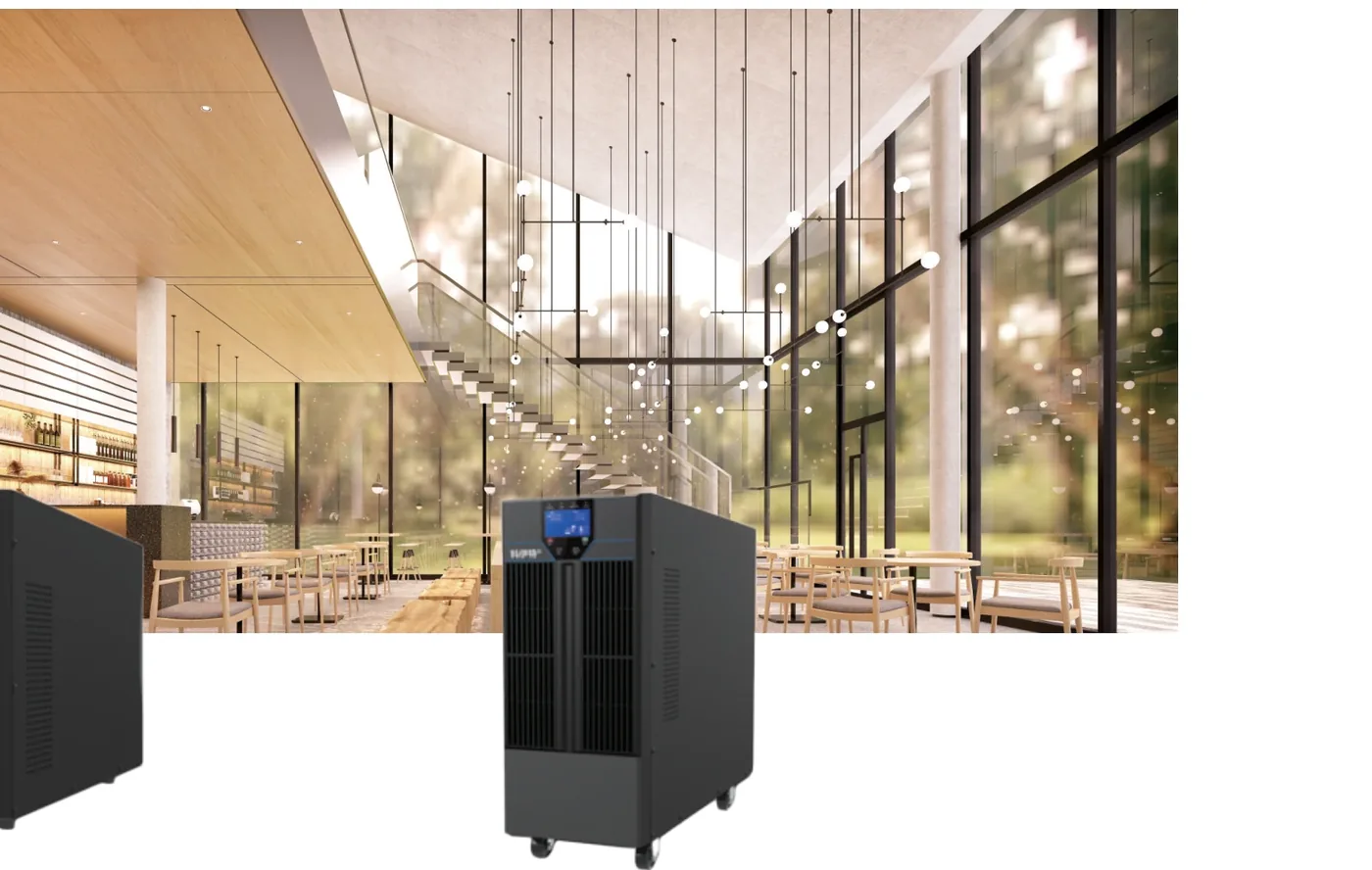
- AVR range
- 20–100 kVA
- UPS range
- 5–60 kVA
- Input
- 3-phase
- Critical load transfer
- 0 ms
A commercial building does not need the whole load on a UPS. It needs the systems that keep the building safe, open, and earning: security, IT, payments, lift controls, BMS, and emergency lighting. Those loads are small next to the chillers and kitchen, but they are the ones that stop the building.
A three-phase AVR at the incoming supply protects the motors and controls from voltage swings; a UPS protects the critical electronics. The two work together, and the scope should be defined by a load list, not by a single “building UPS.”
Which building loads should be on the UPS?
Commercial building load priorities
| Load | Priority | Backup | Notes |
|---|---|---|---|
| Security / CCTV | Critical | UPS 4–8 h | Recorder, cameras, access control |
| IT / network | Critical | UPS 30–60 min | Servers, switches, POS |
| Lift control | Critical | UPS or generator | Controller and communication, not the motor |
| BMS / HVAC controls | High | UPS 30 min | Sensors, controllers, valves |
| Emergency lighting | Critical | Dedicated system | Check local code |
| Chillers / AHU | Low | Generator / AVR | Too large for a UPS |
| Kitchen / laundry | Low | Generator | Motor loads |
Why does a commercial building need an AVR?
The incoming voltage may swing enough to trip lift controllers, HVAC electronics, and lighting. A three-phase AVR with independent phase regulation corrects each phase and protects the building services. It also reduces the stress on the UPS input, so the UPS stays on mains longer.
The AVR does not replace the UPS. It corrects voltage but does not provide backup. The UPS carries the critical electronics through the outage; the AVR keeps the rest of the building within tolerance.
Where should the equipment be installed?
- A dedicated electrical room with ventilation
- Floor loading for the UPS and battery cabinets
- Clearance for service and battery replacement
- A maintenance bypass for the UPS
- Surge protection at the incoming supply
- Cable routes separated from water and heat sources
- Monitoring linked to the building management system
Which standards and documents are referenced on this page?
The table lists the model-specific standards and conformity documents a project buyer should ask for. Availability depends on the frame, the battery, and the destination market; request the document that names your model.
Application and protection standards
| Reference | What it covers |
|---|---|
| IEC 62040-1 / -2 / -3 | UPS safety, EMC and performance basis |
| IEC 61643-11 | Surge protective devices connected to low-voltage systems |
| IEC 61643-12 | SPD selection and application principles |
| IEC 61000-4-5 | Surge immunity test for electrical equipment |
| IEC 62305 | Lightning protection and risk management |
| IEC 62305-1 / -2 / -3 / -4 | Lightning risk, design, testing and inspection |
| IEC 60364-4-41 | Protection against electric shock |
| IEC 60364-5-53 | Switchgear, controlgear and protective device coordination |
| IEC 60364-5-54 | Earthing arrangements and protective conductors |
| UL 1449 | North American SPD safety standard |
| CE / RoHS | EU conformity and restricted-substance declaration |
| ISO 9001 | Manufacturing quality management system |
Certificates are issued against the exact model and configuration. See the certifications page for how to confirm scope and revision, or send the model to request the current document.
Confirm the inputs and documents before quoting.
Project inputs to confirm
| Item | What to confirm | Why it matters |
|---|---|---|
| Load | Running kW, largest motor, load step | Sets kVA, overload and topology |
| Runtime | Minutes, generator availability, battery room | Sets battery bank and charger |
| Supply | Voltage, frequency, phase, input current | Sets model, breaker and cable |
| Site | Country, altitude, ambient temperature, dust | Sets derating, IP and documents |
| Battery | VRLA, LiFePO4, footprint, weight limit | Sets chemistry and room layout |
| Documentation | Conformity route, test report, language | Sets document package and lead time |
What does a 120-room hotel put on backup?
A 120-room hotel has about 45 kW of critical load: PMS and IT, payment, security, lift controllers, BMS, emergency lighting and the fire system. A 60 kVA UPS covers 30 minutes; a 200 kVA three-phase AVR protects the incoming supply and the chillers. The security room gets its own 4-hour UPS so the cameras keep recording.
- Critical load
- 45 kW
- UPS size
- 60 kVA
- Three-phase AVR
- 200 kVA
- Security runtime
- 4 h
Load priorities
| Load | Backup | Why |
|---|---|---|
| PMS, IT, payment | 60 kVA UPS, 30 min | Check-in and revenue stop without it |
| Security and CCTV | Dedicated UPS, 4–8 h | Recording continues through the outage |
| Lift controllers | 10 kVA UPS, 30 min | Rescue and communication, not the motor |
| BMS and HVAC controls | UPS, 30 min | Controlled shutdown and restart |
| Chillers and kitchen | AVR + generator | Too large for a UPS |
- Do not put the whole building on one UPS; define the critical load list first.
- Put the AVR at the incoming supply, before the main distribution board.
- Give the security room a separate UPS so it is not drained by IT loads.
- Confirm the lift manufacturer’s rescue requirement before sizing the UPS.
Reference configuration based on typical industry inputs. It is not a named customer project, and the image is illustrative.
Match the page to a platform.
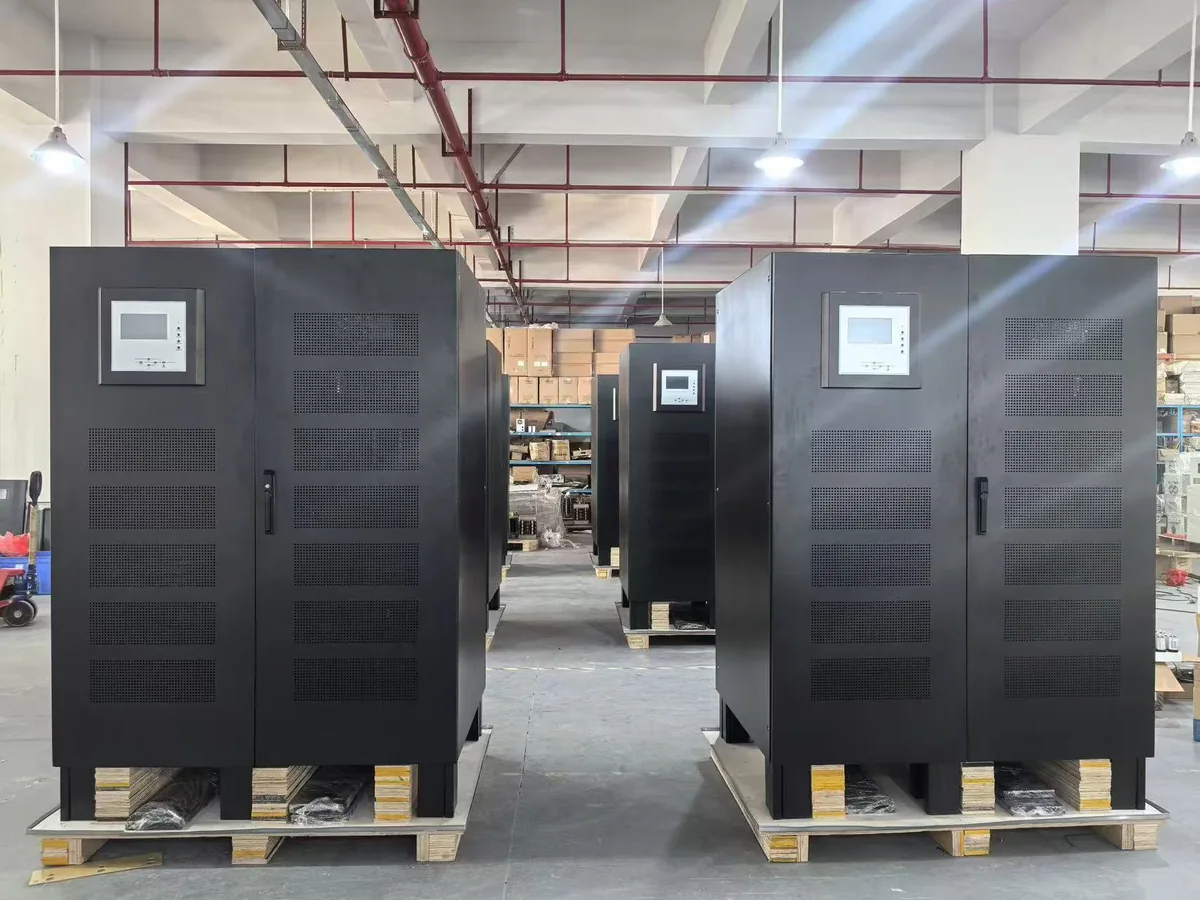
SVC-T Series · 10–100 kVA
Three-Phase Voltage Stabilizer
Independent phase regulation for unbalanced three-phase loads.
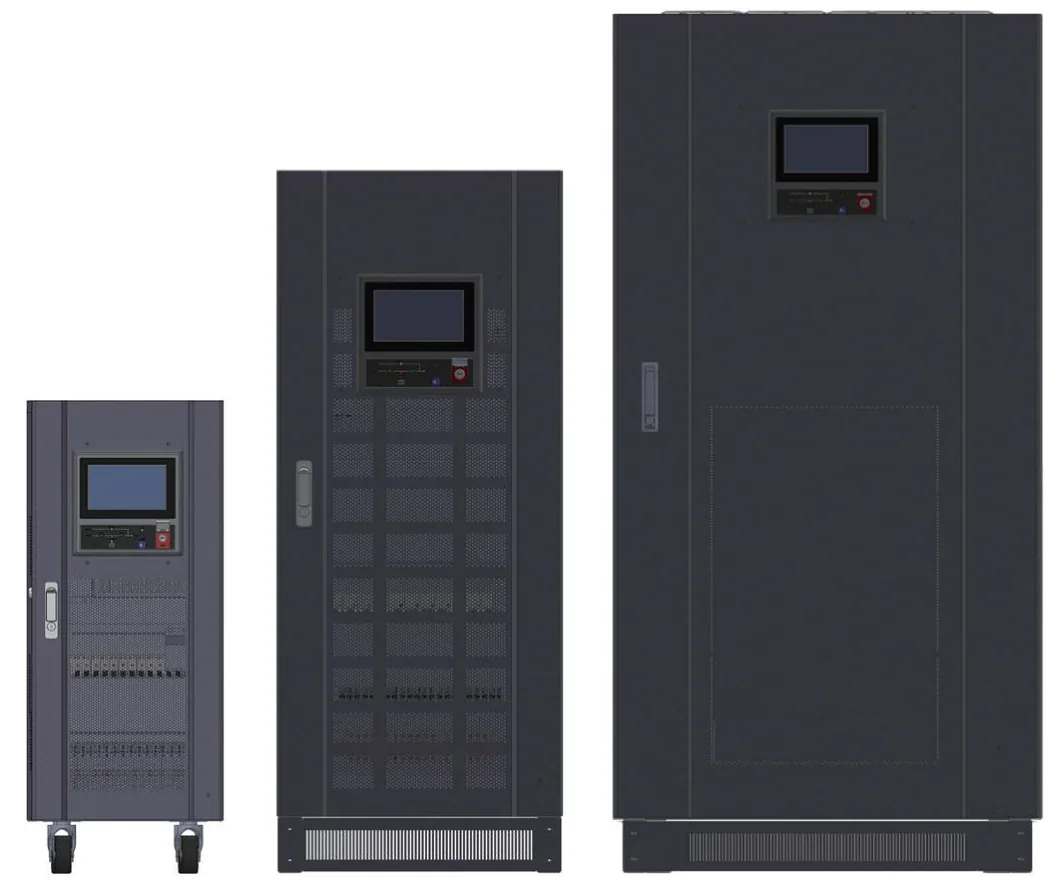
3YT / GP Series · 10–200 kVA
Three-Phase Online UPS
Three-phase double conversion for facility and industrial loads.
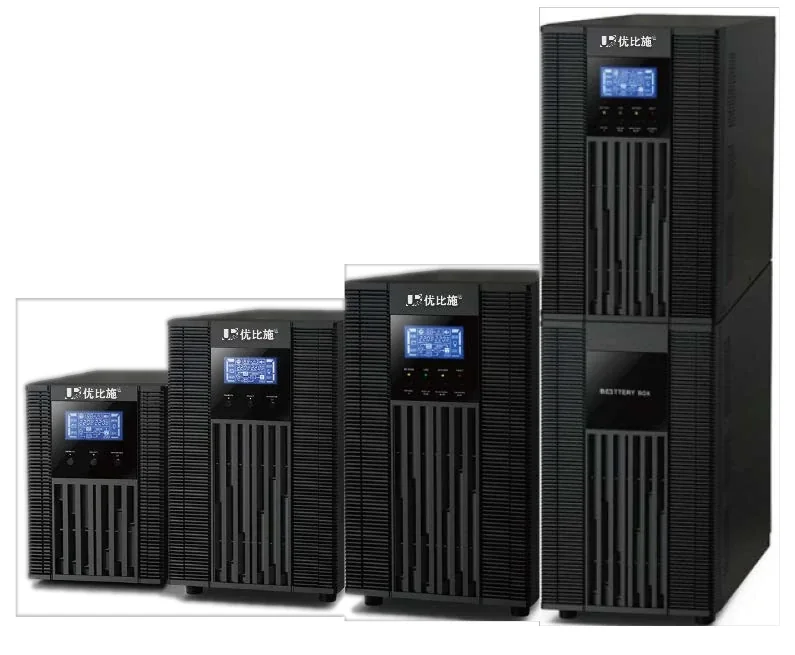
YT Series · 1–10 kVA
Single-Phase Online UPS
Double-conversion, 0 ms protection for servers, medical, and telecom loads.
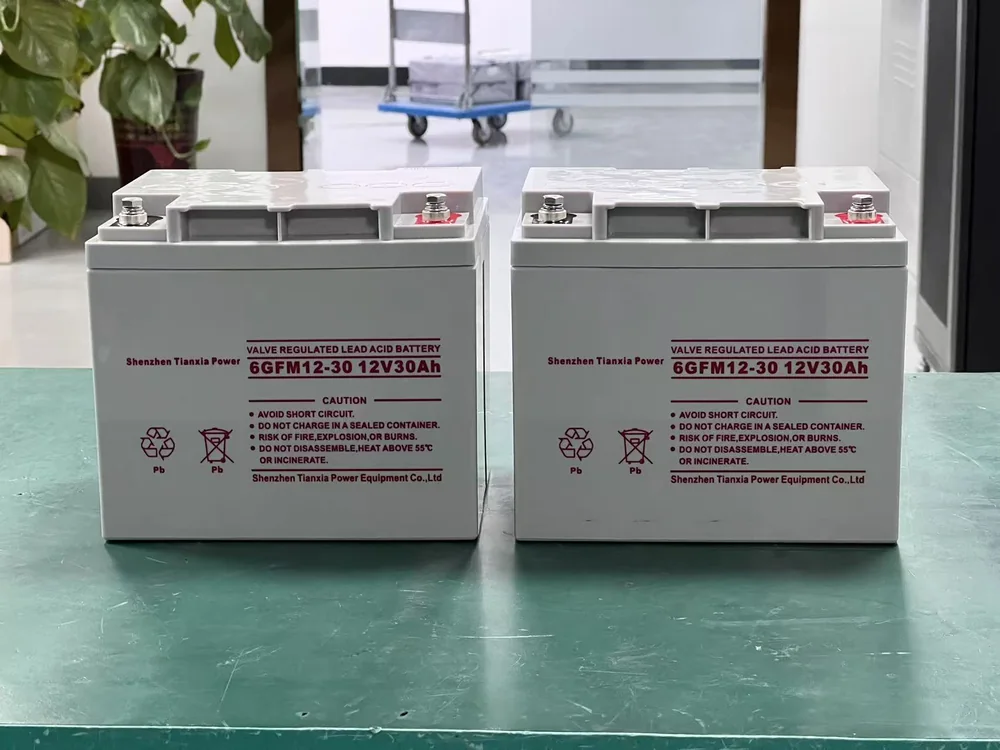
12 V blocks · 24–250 Ah
VRLA Battery
Maintenance-free sealed lead-acid blocks for UPS and telecom backup.
Questions from project buyers.
Project-specific answers. If your question is not here, send the load list and the site conditions.
Talk to an engineer Does a hotel need a UPS for the whole building?
No. Protect the security room, IT, payment systems, lift controls, and BMS. The chillers, kitchen, and laundry are better served by a generator and an AVR.
Can a UPS run a lift?
A UPS can back up the lift controller and communication, but not the motor for a normal ride. Lift backup is a specialized product; confirm the lift manufacturer’s requirement.
Where does the AVR go?
At the incoming supply, before the main distribution board or the protected sub-board. It must be coordinated with the surge protection and the upstream breaker.
How long should the security UPS last?
Four to eight hours is common, depending on the guard response and the site policy. Size the battery from the recorder, camera, switch, and access control load.
Can the UPS and AVR share a room?
Yes, if the room is ventilated and the heat load is calculated. Keep the battery away from the UPS exhaust and provide service clearance.
Send the load list. We will return the configuration.
Tell us the kW, the backup time, the phase, and the site country. You will get a capacity recommendation, a battery configuration, and the model sheet.
- Capacity and topology recommendation
- Battery bank and runtime estimate
- Model sheet and commercial offer
Request a configuration and quotation
Send the load list, backup time, and site conditions. We will return a capacity recommendation, battery configuration, and commercial offer.