
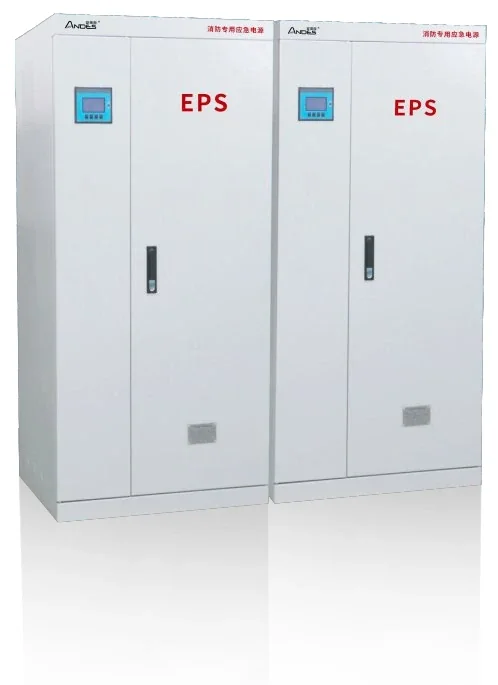
EPS Emergency Power Supply
Fire-code emergency power for lighting, pumps, and safety loads.
- 0.5–500 kVA
- 90 min backup
- Pure sine wave
Single-phase
0.5–15 kW
Three-phase
2–500 kVA
Backup
90 minutes (configurable)
Rated range
0.5–500 kVA
- Single-phase
- 0.5–15 kW
- Three-phase
- 2–500 kVA
- Backup
- 90 minutes (configurable)
- Transfer
- ≤3 s; 100 ms / 0 ms optional
- Output
- Pure sine wave
- Battery
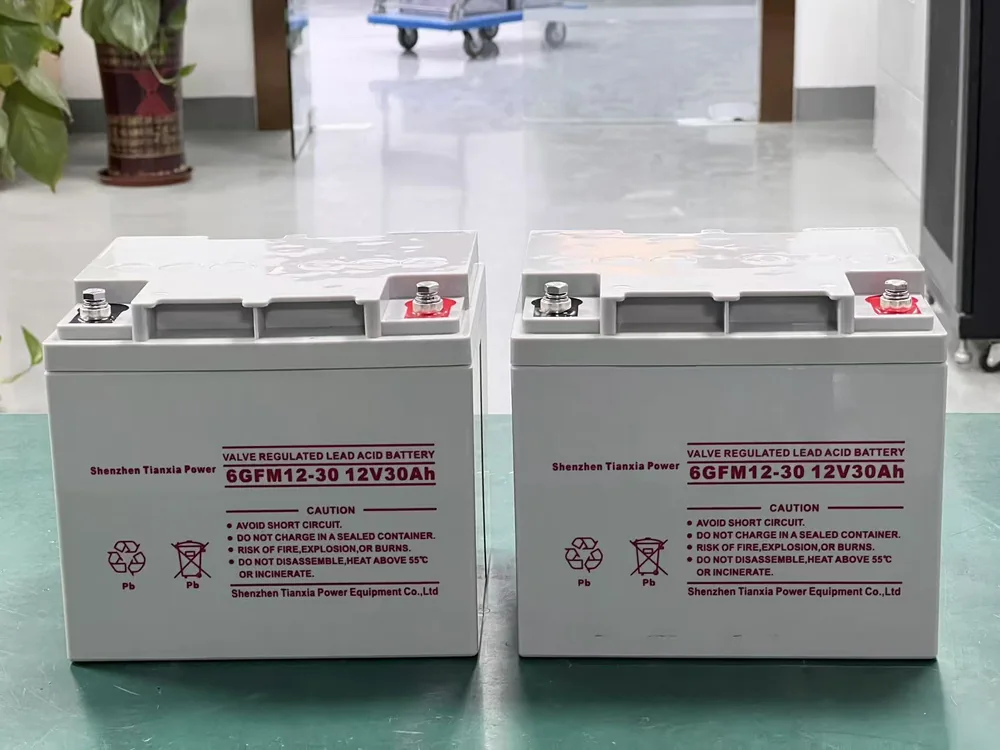
- VRLA, 48–492 VDC
An EPS emergency power supply from 0.5 to 500 kVA with 90-minute backup and a pure sine output, for emergency lighting, fire pumps and safety loads. It is specified against the fire code and the required backup duration, not against the daily load.
What this platform is built to do.
The ST-D and ST-DS series are emergency power supplies (EPS) for fire and life-safety loads. They supply power to emergency lighting, fire pumps, smoke control, and other safety circuits when the normal supply fails, with a 90-minute backup as standard.
The single-phase ST-D covers 0.5–15 kW with a 48 V or 192 V battery; the three-phase ST-DS covers 2–60+ kW with 192/324/492 V batteries. Output is a pure sine wave, and the transfer time is within 3 seconds, with 100 ms or 0 ms options for special requirements.
EPS is specified by the fire code and the protected load, not by the UPS catalog. Share the load type, the emergency duration, the output circuit count, and the local fire standard for a compliant configuration.
Fire-code ready
Designed for emergency lighting, pumps, and safety circuits.
90-minute backup
Standard 90-minute runtime with configurable battery banks.
Pure sine output
Safe for motors, lighting, and control loads.
Circuit options
Single or multiple output circuits, continuous or fire-linked.
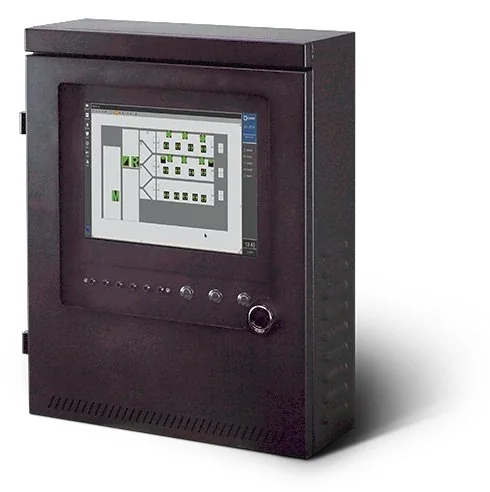
ST-D / ST-DS / EPS YJ · 0.5–500 kVA
Selected models and nominal values. The quotation confirms the exact configuration, battery, and documentation for the project.
Request a model sheetEPS series
| Series | Power | Phase | Battery bus | Typical load |
|---|---|---|---|---|
| ST-D 0.5–3 kW | 0.5–3 kW | Single | 48 VDC | Emergency lighting |
| ST-D 4–15 kW | 4–15 kW | Single | 192 VDC | Fire pump / lighting |
| ST-DS 2–18.5 kW | 2–18.5 kW | Three | 192 VDC | Smoke control / pump |
| ST-DS 20–55 kW | 20–55 kW | Three | 324 VDC | Large safety load |
| ST-DS 60+ kW | 60+ kW | Three | 492 VDC | Plant emergency power |
| EPS II 3K-48V | 3 kW | Single | 48 VDC | Emergency lighting |
| EPS II 5K-48V | 5 kW | Single | 48 VDC | Emergency lighting |
| EPS II 6K-48V | 6 kW | Single | 48 VDC | Emergency lighting |
| EPS-YJ-2 | 2–500 kVA | Three | Model-dependent | Project emergency power |
Electrical
- Single-phase
- 220 V ±15%, 0.5–15 kW, 48/192 VDC
- Three-phase
- 380 V ±15%, 2–60+ kW, 192/324/492 VDC
- Output
- 220 V or 380 V ±3%, pure sine wave
- Transfer
- ≤3 s standard; 100 ms or 0 ms optional
- Backup
- 90 min standard, configurable
- Efficiency
- ≥90% in emergency mode
Protection and output
- Output circuits
- Single or multiple, continuous / non-continuous / fire-linked
- Overload
- 120% for 60 s; 150% for 30 s
- Battery
- VRLA, maintenance-free
- Protections
- Overload, short circuit, over-temperature, battery low
Key specifications
| Parameter | Value |
|---|---|
| Single-phase | 0.5–15 kW |
| Three-phase | 2–500 kVA |
| Backup | 90 minutes (configurable) |
| Transfer | ≤3 s; 100 ms / 0 ms optional |
| Output | Pure sine wave |
| Battery | VRLA, 48–492 VDC |
Selection notes for this family
| Question | What to check | Why |
|---|---|---|
| Load profile | Running kW and largest step for 0.5–500 kVA | Avoid overload and oversizing |
| Runtime | Battery bank and charger for the target minutes | Actual autonomy |
| Environment | Temperature, altitude, dust and ventilation | Life and derating |
| Interface | Monitoring, bypass, parallel requirement | Integration with the room |
| Documentation | Conformity route and model test report | Customs and tender |
Where this family fits.
These are the load types the platform is specified for. If your load is outside this list, send the load profile before selecting the model.
- Emergency lighting
- Fire pumps
- Smoke control
- Fire alarm systems
- Life-safety circuits
EPS: project questions.
Project-specific answers. If your question is not here, send the load list and the site conditions.
Talk to an engineer What is the difference between EPS and UPS?
EPS is designed for fire and life-safety loads with a defined emergency runtime and fire-linked output options. A UPS is designed for continuous critical loads with 0 ms transfer. The standards and the load profile are different.
Is 90 minutes the standard runtime?
Yes, the standard backup is 90 minutes. It can be configured longer for the project, subject to the battery room and charger.
Can the output be fire-linked?
Yes, the series supports continuous, non-continuous, and fire-linked output circuits. Confirm the fire alarm interface with the panel builder.
Does it need a special battery room?
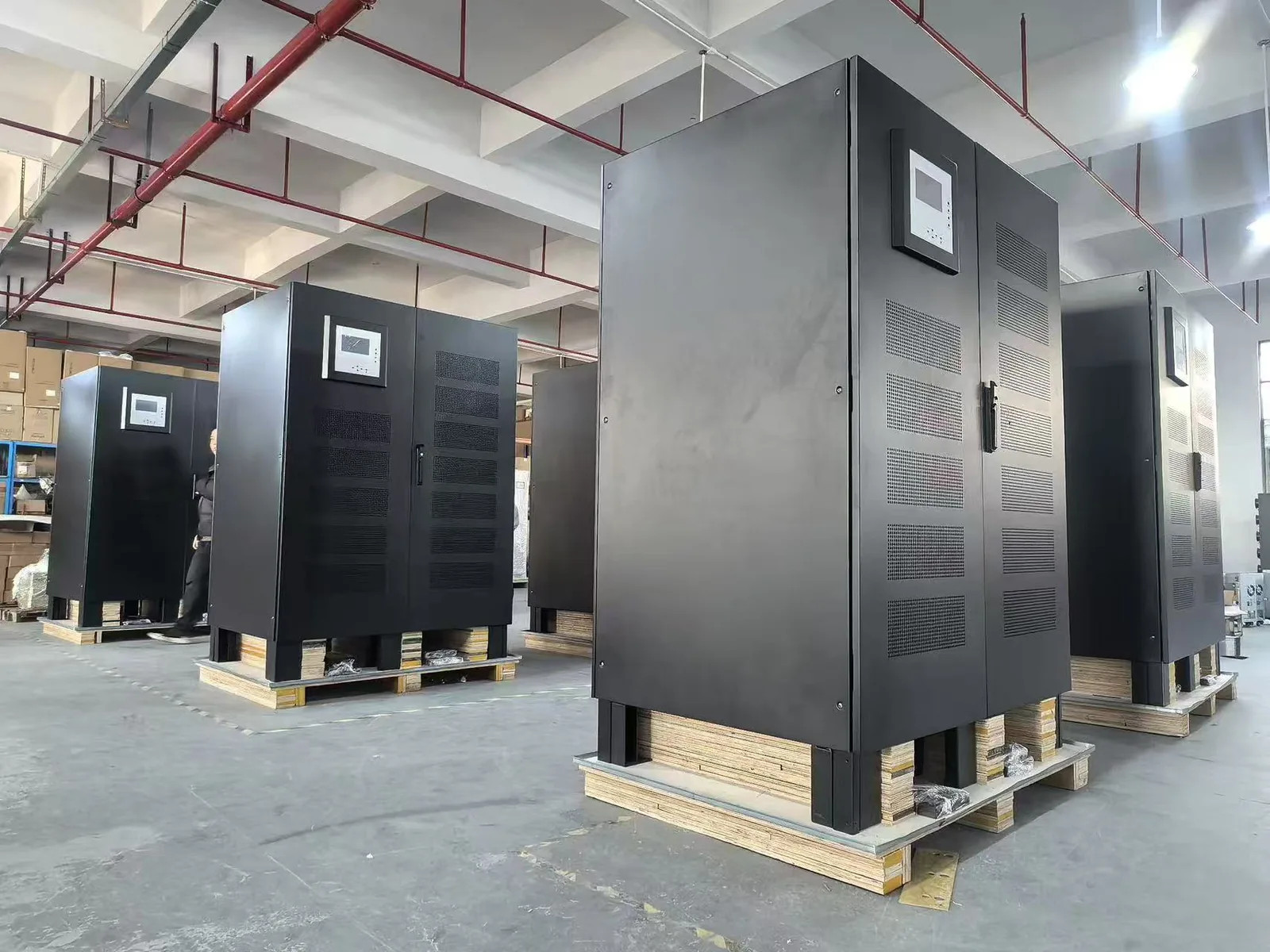
The battery bank is VRLA and needs a ventilated, temperature-controlled room. Large three-phase banks may need a dedicated battery room and rack.
Can you provide the fire certificate?
The EPS is supplied with the model datasheet and test documents. The fire-system approval is issued by the local authority; confirm the destination standard before ordering.
Send the load list. We will return the configuration.
Tell us the kW, the backup time, the phase, and the site country. You will get a capacity recommendation, a battery configuration, and the model sheet.
- Capacity and topology recommendation
- Battery bank and runtime estimate
- Model sheet and commercial offer
Request a configuration and quotation
Send the load list, backup time, and site conditions. We will return a capacity recommendation, battery configuration, and commercial offer.