
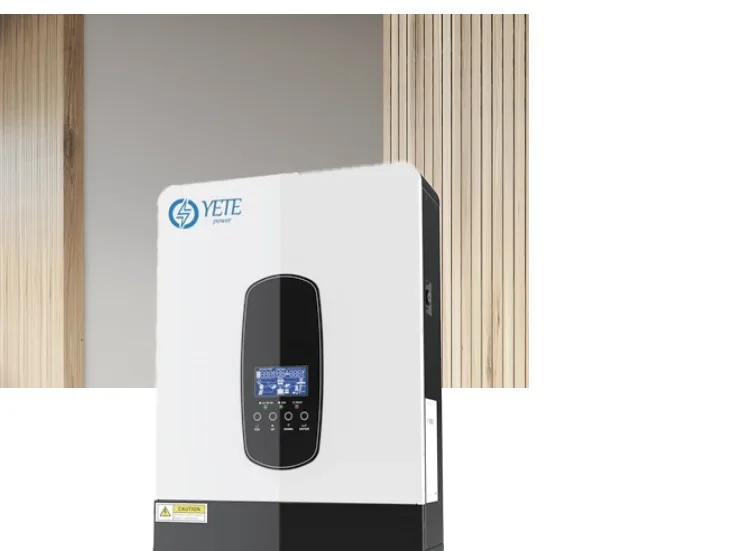
Pure Sine Wave Inverter
Grid or solar charging with a pure sine wave output.
- 2.2–7 kVA
- Pure sine wave
- MPPT charger
Rated power
2,200–7,000 VA
DC input
12 / 24 / 48 VDC
AC input
90–280 VAC (appliance mode)
Rated range
2.2–7 kVA
- Rated power
- 2,200–7,000 VA
- DC input
- 12 / 24 / 48 VDC
- AC input
- 90–280 VAC (appliance mode)
- Transfer
- 10 ms PC / 20 ms appliance
- MPPT
- 2,000–6,000 W PV
- Output
- 230 VAC ±5%, pure sine wave
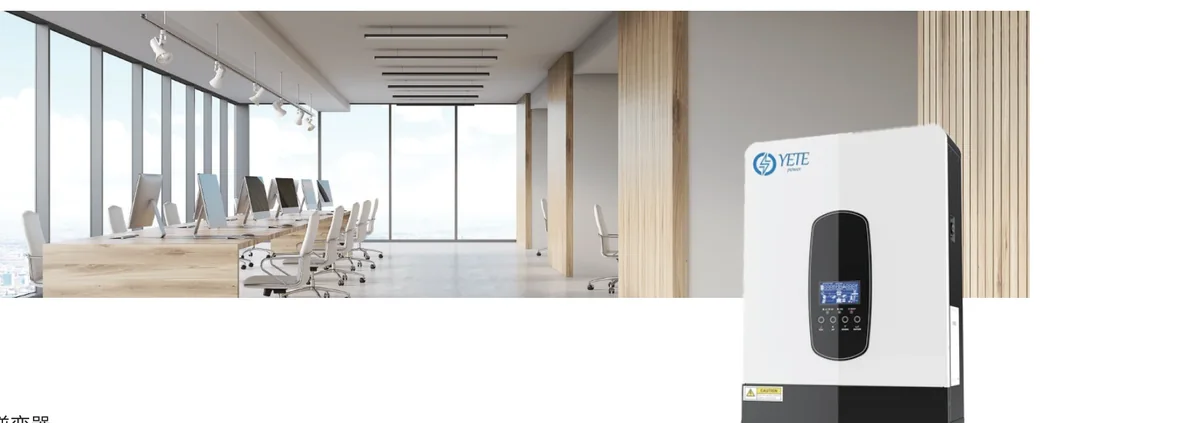
A pure sine wave inverter from 2.2 to 7 kVA on 12, 24 or 48 VDC, with MPPT charging and RS485 monitoring. Use it for the loads a boxed UPS cannot start — fridges, pumps, motors and power tools — with an external battery bank sized on surge current.
What this platform is built to do.
The SP series is a pure sine wave inverter with a built-in AC charger and an MPPT solar charger. It is used where the grid is unreliable and a UPS is not the right shape of product: a small office, a clinic, a telecom cabinet, or a solar backup system that needs a stable AC output from a battery bank.
Models cover 2.2–7 kVA with 12 V, 24 V, or 48 V DC input. The AC input range is 170–280 VAC for PC loads and 90–280 VAC for appliances, with a 10 ms transfer for PC loads and 20 ms for appliances. Output is a pure sine wave at 230 VAC ±5%. The MPPT charger accepts up to 2,000–6,000 W of PV and has a 98% conversion efficiency.
An inverter is not a UPS. It transfers in 10–20 ms, so some sensitive IT loads may reset. If the load cannot tolerate a transfer gap, use an online UPS. If the goal is to use solar and grid energy with a battery, the inverter is the right building block.
Pure sine wave
Safe for motors, compressors, and sensitive electronics, unlike modified sine wave.
Built-in MPPT
Accepts 2–6 kW of PV with 98% MPPT efficiency.
Wide AC input
90–280 VAC appliance mode tolerates deep sags and generator swings.
Battery flexibility
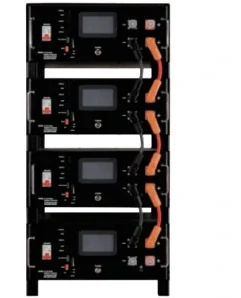
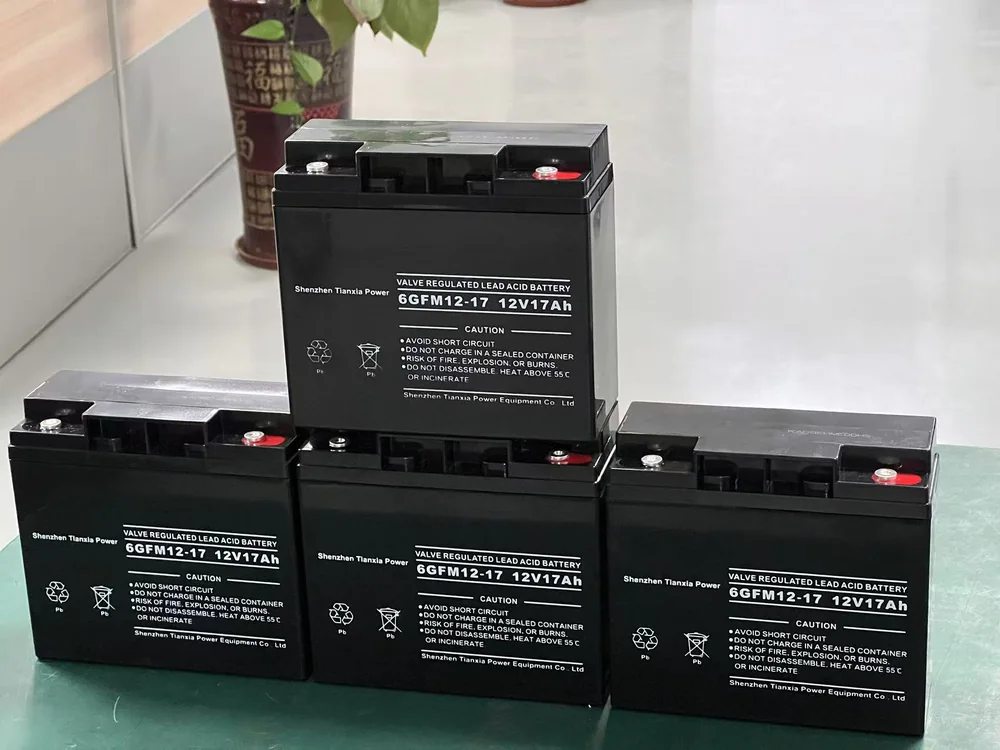
12 V, 24 V, and 48 V models for VRLA or LiFePO4 banks.
SP Series · 2.2–7 kVA
Selected models and nominal values. The quotation confirms the exact configuration, battery, and documentation for the project.
Request a model sheetSP series inverter models
| Model | Rated power | DC voltage | MPPT PV | Surge power | Weight |
|---|---|---|---|---|---|
| SP-2200 | 2,200 VA / 1,800 W | 12 VDC | 2,000 W | 4,400 VA | 4.5 kg |
| SP-3200 | 3,200 VA / 3,000 W | 24 VDC | 3,000 W | 6,400 VA | 5.0 kg |
| SP-4000 | 4,000 VA / 3,600 W | 24 VDC | 5,000 W | 8,000 VA | 7.0 kg |
| SP-7000 | 7,000 VA / 6,200 W | 48 VDC | 6,000 W | 14,000 VA | 8.0 kg |
Input and output
- AC input
- 230 VAC, 170–280 VAC (PC) / 90–280 VAC (appliance)
- Frequency
- 50/60 Hz auto-sense
- Output
- 230 VAC ±5% (battery mode)
- Waveform
- Pure sine wave
- Transfer time
- 10 ms PC / 20 ms appliance
- Surge power
- 4,400–14,000 VA
Battery and solar
- DC voltage
- 12 V / 24 V / 48 V
- Float voltage
- 13.5 / 27 / 54 VDC
- Max charge current
- 60–80 A
- MPPT PV power
- 2,000 / 3,000 / 5,000 / 6,000 W
- MPPT voltage range
- 55–450 VDC
- Max PV open circuit
- 450 VDC
- MPPT efficiency
- 98%
Mechanical and environment
- Dimensions
- 405 × 286 × 98 mm (2.2 kVA); 423 × 290 × 100 mm (4–7 kVA)
- Weight
- 4.5–8.0 kg
- Communication
- RS232 / RS485 standard; GPRS / WiFi optional
- Operating temperature
- −10 to 55 °C
- Humidity
- 5–95% non-condensing
Key specifications
| Parameter | Value |
|---|---|
| Rated power | 2,200–7,000 VA |
| DC input | 12 / 24 / 48 VDC |
| AC input | 90–280 VAC (appliance mode) |
| Transfer | 10 ms PC / 20 ms appliance |
| MPPT | 2,000–6,000 W PV |
| Output | 230 VAC ±5%, pure sine wave |
Selection notes for this family
| Question | What to check | Why |
|---|---|---|
| Load profile | Running kW and largest step for 2.2–7 kVA | Avoid overload and oversizing |
| Runtime | Battery bank and charger for the target minutes | Actual autonomy |
| Environment | Temperature, altitude, dust and ventilation | Life and derating |
| Interface | Monitoring, bypass, parallel requirement | Integration with the room |
| Documentation | Conformity route and model test report | Customs and tender |
Where this family fits.
These are the load types the platform is specified for. If your load is outside this list, send the load profile before selecting the model.
- Small offices
- Clinics and pharmacies
- Telecom cabinets
- Solar backup
- Residential outbuildings
Inverter: project questions.
Project-specific answers. If your question is not here, send the load list and the site conditions.
Talk to an engineer Is an inverter the same as a UPS?
No. An inverter converts DC to AC and may include a charger, but it transfers in 10–20 ms. An online UPS transfers in 0 ms and is designed for continuous critical loads.
Can I connect a LiFePO4 battery?
Yes, if the inverter has a lithium charge profile or the battery BMS can work with the inverter’s voltage settings. Confirm the charge voltage and current before commissioning.
How much PV can I connect?
The SP-2200 accepts 2,000 W, the SP-3200 3,000 W, the SP-4000 5,000 W, and the SP-7000 6,000 W. Do not exceed the maximum PV open-circuit voltage of 450 VDC.
Can it run a water pump?
The surge rating covers many pump starts, but the pump’s locked-rotor current must be checked. A 7 kVA inverter may not start a 3 kW direct-on-line pump; use a soft starter or a larger inverter.
Does it support remote monitoring?
RS232/RS485 is standard, with optional GPRS or WiFi. The monitoring option depends on the model and the local network.
Send the load list. We will return the configuration.
Tell us the kW, the backup time, the phase, and the site country. You will get a capacity recommendation, a battery configuration, and the model sheet.
- Capacity and topology recommendation
- Battery bank and runtime estimate
- Model sheet and commercial offer
Request a configuration and quotation
Send the load list, backup time, and site conditions. We will return a capacity recommendation, battery configuration, and commercial offer.