
Battery backup: how to plan 2, 4, and 8 hours of runtime.
Battery backup planning for UPS systems: runtime tables, 2h/4h/8h configurations, battery room requirements, charger limits and VRLA vs LiFePO4.
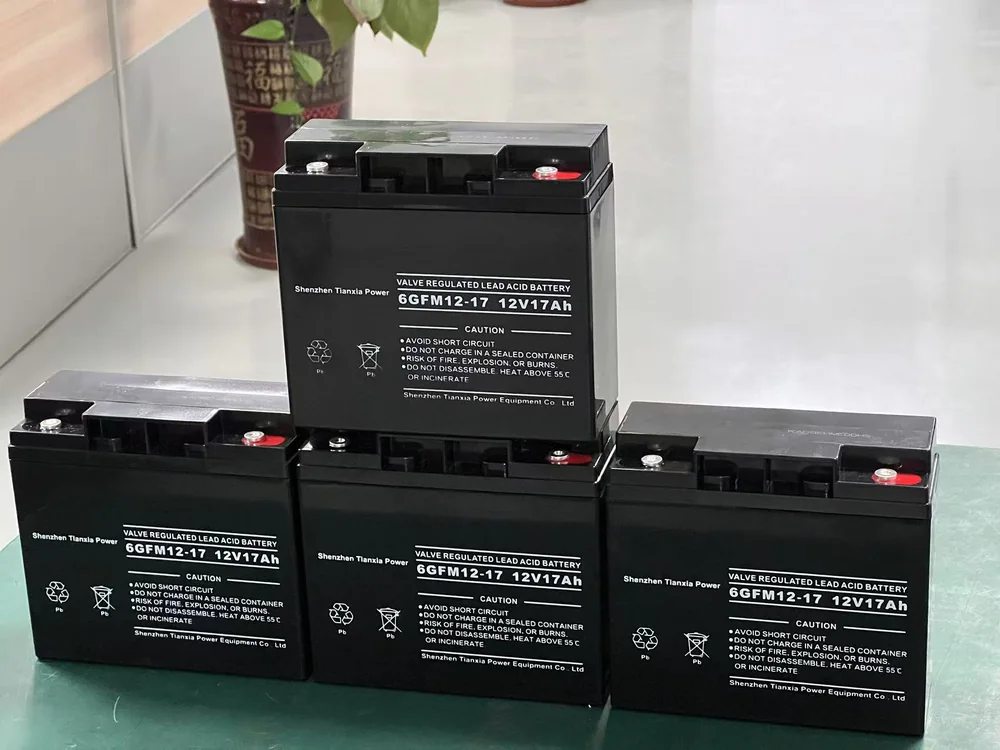
- Runtime targets
- 2/4/8 h
- DC buses
- 192–384 VDC
- VRLA usable DOD
- 0.6
- LiFePO4 usable DOD
- 0.8
A battery backup is a room, a string, a charger, and a runtime target. The target comes from the site: generator start time, typical outage length, or how long the load needs before a controlled shutdown. “One hour” is not a specification until it is tied to a load and a site.
This page gives indicative 2-hour, 4-hour, and 8-hour configurations for common UPS sizes, and explains the room and charger constraints that often decide the design before the battery does.
What does a 2-hour, 4-hour, or 8-hour battery bank look like?
The tables below use a simplified estimate: kW × hours ÷ (DC bus × 0.85 efficiency × 0.6 DOD). The actual bank may be larger at high discharge rates. The 12 V block count assumes 100 Ah blocks; the number of parallel strings changes with the block capacity.
VRLA battery bank estimate for 2, 4, and 8 hours
| UPS load | 2 h nominal energy | 4 h nominal energy | 8 h nominal energy | 12 V 100 Ah blocks (2h / 4h / 8h) |
|---|---|---|---|---|
| 3 kW | 12 kWh | 24 kWh | 48 kWh | 16 / 32 / 64 blocks |
| 7.2 kW | 29 kWh | 58 kWh | 115 kWh | 32 / 64 / 128 blocks |
| 14.4 kW | 58 kWh | 115 kWh | 230 kWh | 64 / 128 / 256 blocks |
| 36 kW | 144 kWh | 288 kWh | 576 kWh | 160 / 320 / 640 blocks |
| 72 kW | 288 kWh | 576 kWh | 1,152 kWh | 320 / 640 / 1,280 blocks |
The block count is indicative and assumes 192 VDC for the smaller loads and 384 VDC for the larger loads. Confirm the actual DC bus and the battery discharge curve.
What does the battery room need for long runtime?
A 4-hour bank for a 72 kW load is roughly 576 kWh nominal, which is several tonnes of lead-acid blocks. The room may be larger than the UPS room. Plan the floor loading and the access route before the battery arrives.
- Floor loading for the battery cabinets or racks
- A maintained temperature of 20–25 °C
- Ventilation for hydrogen release under abnormal charging
- Fire detection and suppression per local code
- Battery racks or cabinets with seismic restraint where required
- Clearance for inspection and cell replacement
- A DC breaker or fuse for each string
- A battery monitor for large strings
Can the UPS charger recharge the bank in time?
The charger current limits the recharge time. A 10 A charger cannot recharge a 500 Ah bank quickly; it may take more than 24 hours. If the site has frequent outages, the battery may never reach full charge, and the runtime will degrade.
Check the UPS charger rating against the battery capacity. For long-runtime banks, specify a larger charger or a separate battery charger. The recharge time should be shorter than the typical interval between outages.
Should I use LiFePO4 for long runtime?
LiFePO4 is attractive for 4–8 hour runtimes because it uses 80% depth of discharge and weighs much less. A 100 kWh lithium bank is smaller and lighter than a 100 kWh lead-acid bank. But the UPS must have a lithium-compatible charger and BMS communication, and the fire protection must follow the battery manufacturer’s requirements.
For a 2-hour runtime in a temperature-controlled room, VRLA is often still the lower-cost choice. Compare the lifecycle cost, not just the capital cost.
How do I verify the runtime after installation?
Run a load-bank test at the design load and measure the time to the end-of-discharge voltage. Record the battery temperature, the string voltage, and the weakest block. Repeat the test every 12–24 months and after any deep discharge.
A UPS that reports “battery OK” may still fail under load. The load-bank test is the only way to confirm the runtime the site actually has.
Which standards and documents are referenced on this page?
The table lists the model-specific standards and conformity documents a project buyer should ask for. Availability depends on the frame, the battery, and the destination market; request the document that names your model.
Battery standards and transport documents
| Reference | What it covers |
|---|---|
| IEC 60896-21 | VRLA stationary battery type tests |
| IEC 60896-22 | VRLA stationary battery performance tests |
| IEC 62485-2 | Safety requirements for stationary battery installations |
| IEC 62619 | Safety of lithium cells and batteries for industrial use |
| UN38.3 / MSDS | Transport test and material safety data for lithium |
| CE / RoHS | EU conformity and restricted-substance declaration |
| ISO 9001 | Manufacturing quality management system |
| IEC 61439-1 / -2 | Battery cabinet and assembly coordination (where supplied) |
Certificates are issued against the exact model and configuration. See the certifications page for how to confirm scope and revision, or send the model to request the current document.
Confirm the inputs and documents before quoting.
Project inputs to confirm
| Item | What to confirm | Why it matters |
|---|---|---|
| Load | Running kW, largest motor, load step | Sets kVA, overload and topology |
| Runtime | Minutes, generator availability, battery room | Sets battery bank and charger |
| Supply | Voltage, frequency, phase, input current | Sets model, breaker and cable |
| Site | Country, altitude, ambient temperature, dust | Sets derating, IP and documents |
| Battery | VRLA, LiFePO4, footprint, weight limit | Sets chemistry and room layout |
| Documentation | Conformity route, test report, language | Sets document package and lead time |
Open the sizing calculator
Convert kW to kVA and estimate the battery bank.
Enter the load, the runtime, and the phase. The calculator applies a design margin and returns a standard size and a 12 V block estimate.
Match the page to a platform.
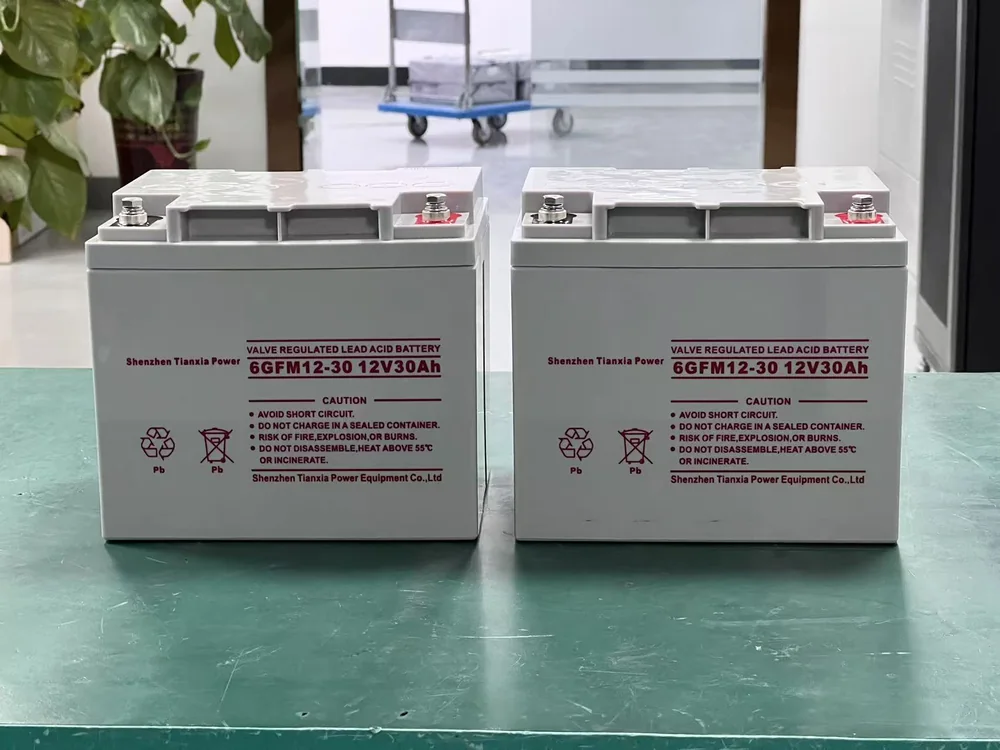
12 V blocks · 24–250 Ah
VRLA Battery
Maintenance-free sealed lead-acid blocks for UPS and telecom backup.
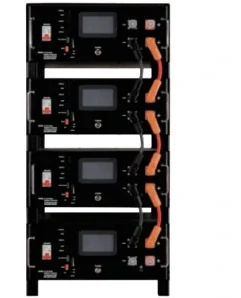
51.2 V rack · 50–280 Ah
LiFePO4 Battery
More usable cycles and less weight for long runtime.
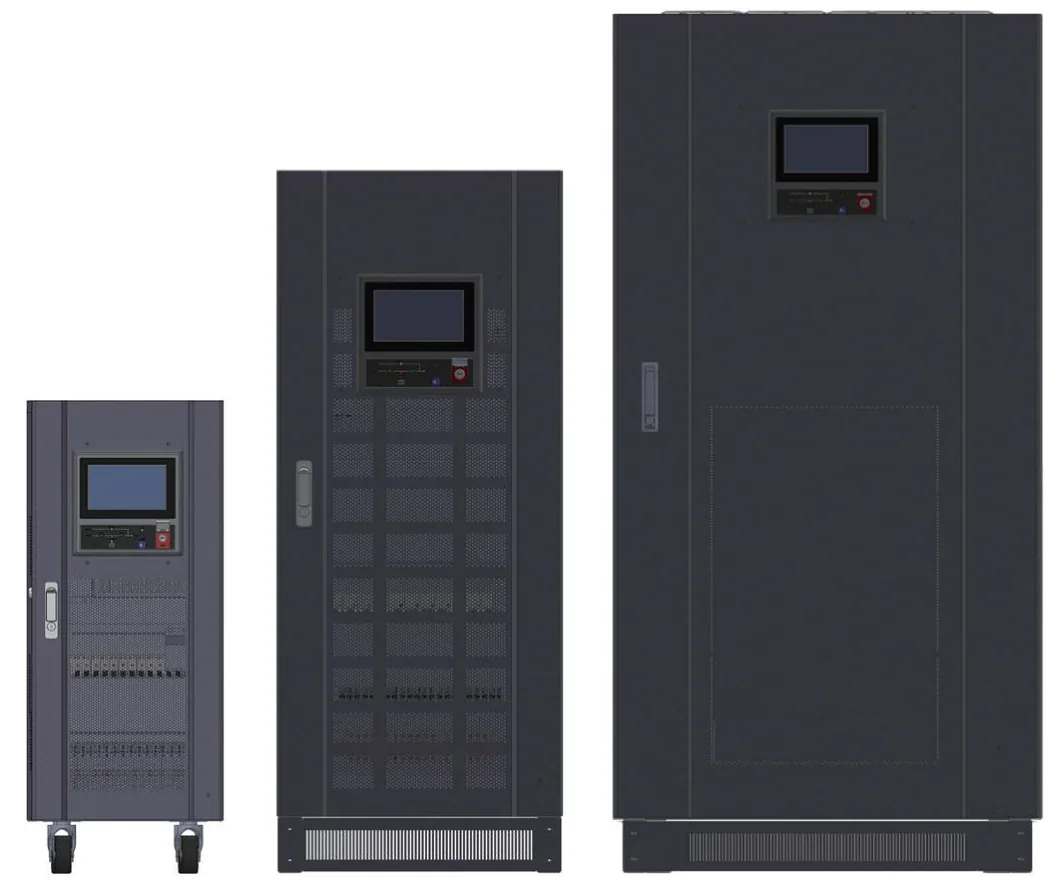
3YT / GP Series · 10–200 kVA
Three-Phase Online UPS
Three-phase double conversion for facility and industrial loads.
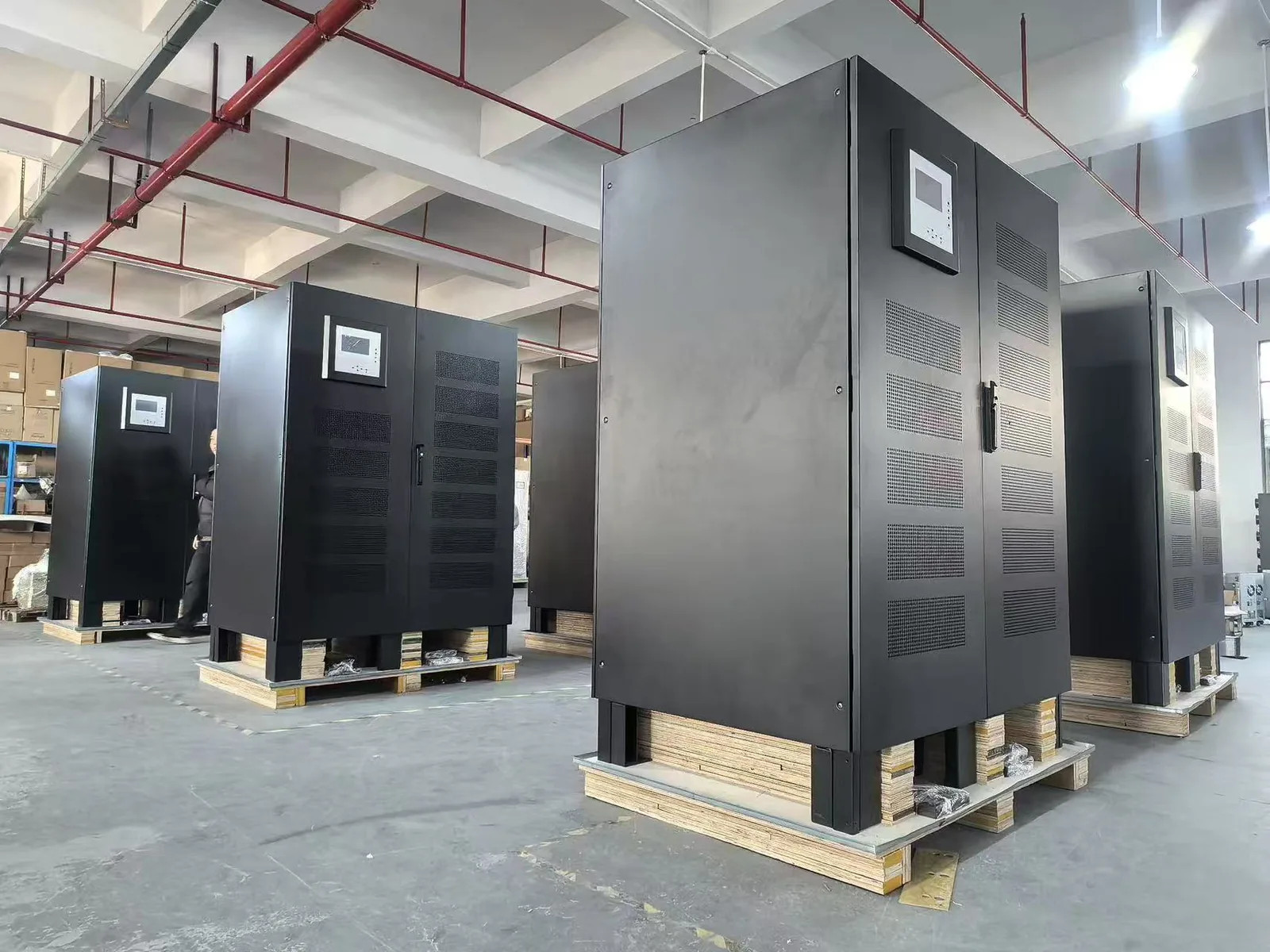
Industrial frame · 10–200 kVA
Industrial UPS
Wide input, high overload, and harsh-environment protection.
Questions from project buyers.
Project-specific answers. If your question is not here, send the load list and the site conditions.
Talk to an engineer How many batteries do I need for 8 hours?
It depends on the load and the DC bus. At 7.2 kW and 192 VDC, an 8-hour VRLA bank is roughly 128 × 100 Ah blocks after derating. The room and charger become major constraints.
Can I use a smaller battery and a generator?
Yes. If the generator starts reliably within 10–15 minutes, a smaller battery is sufficient. The battery covers the generator start and the transfer; the generator carries the long outage.
Do I need a separate battery charger?
For a long-runtime bank, the UPS charger may be too small. A separate charger can recharge the bank faster and reduce the risk of a partially charged battery.
Can I put the battery in the same room as the UPS?
Yes, if the room is ventilated and temperature-controlled. For large banks, a separate battery room is safer and easier to maintain.
How often should I test the runtime?
Every 12–24 months, and after any deep discharge or battery replacement. A capacity test at the design load is the most reliable check.
Send the load list. We will return the configuration.
Tell us the kW, the backup time, the phase, and the site country. You will get a capacity recommendation, a battery configuration, and the model sheet.
- Capacity and topology recommendation
- Battery bank and runtime estimate
- Model sheet and commercial offer
Request a configuration and quotation
Send the load list, backup time, and site conditions. We will return a capacity recommendation, battery configuration, and commercial offer.