
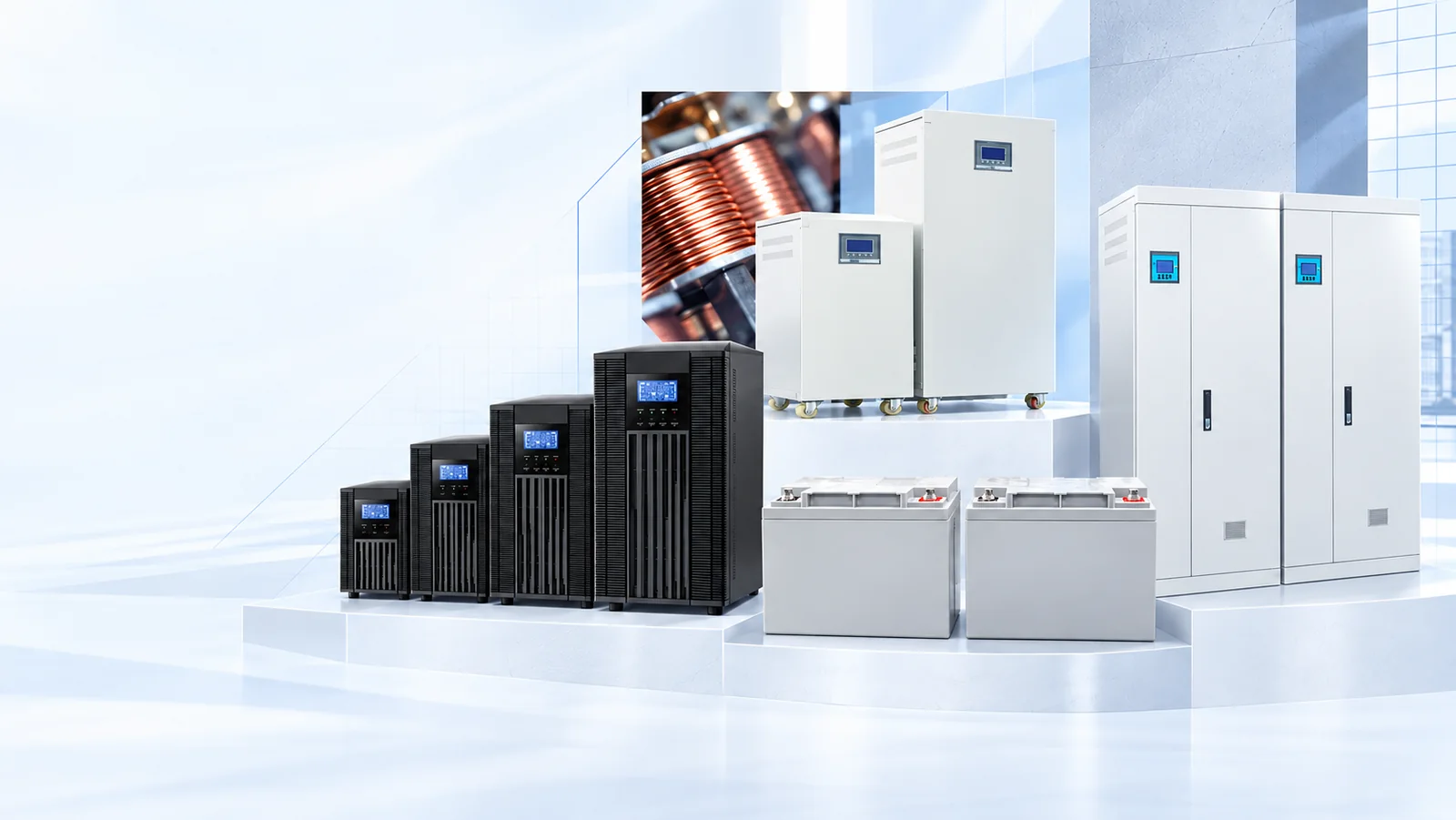
UPS · AVR · VOLTAGE STABILIZER · BATTERY
Uninterruptible power supply and voltage stabilizers.
Factory-direct UPS, AVR and voltage regulator systems for unstable grids: 400 VA–800 kVA UPS, 10–2000 kVA servo and contact stabilizers, VRLA or LiFePO4 battery banks, 0 ms transfer and 0.9 output PF. Configured for projects across Africa, South Asia, Southeast Asia and the Middle East.
- 0 ms
- Transfer time
- 400 VA–800 kVA
- Power range
- 24 h
- Quotation response
From the incoming supply to the last battery block.
A stable power system is not one box. It is a stabilizer at the boundary, a UPS at the critical load, and a battery bank sized for the outage. Most suppliers sell one of the three and leave the integration to the buyer.
We configure the whole path: measure the load, select the topology, size the battery, and document the interface between the stabilizer, the UPS, and the distribution board. That is what makes a project installable rather than just purchasable.
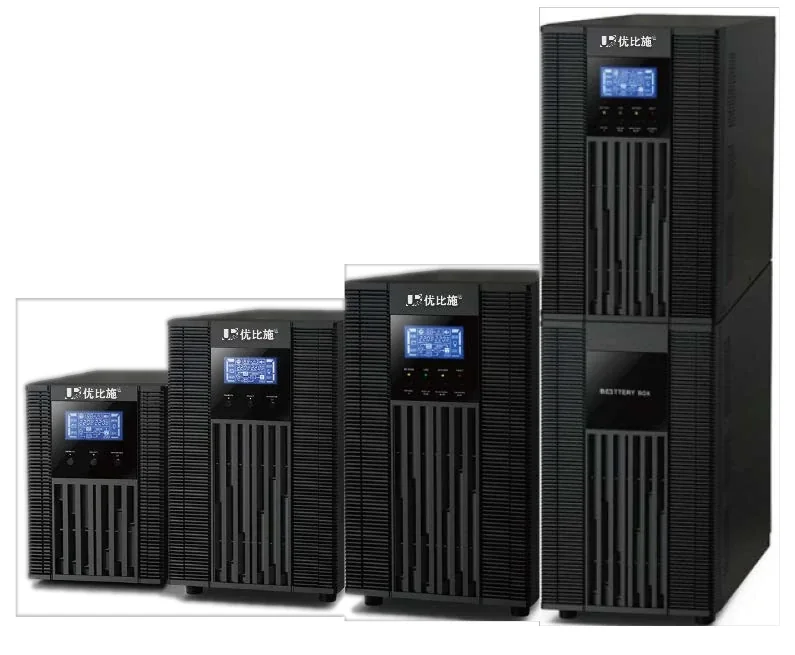 400 VA–800 kVA
UPS systems
Offline, line-interactive, online, rack, modular, three-phase, industrial, elevator, and high-frequency frames from 400 VA to 800 kVA.
Explore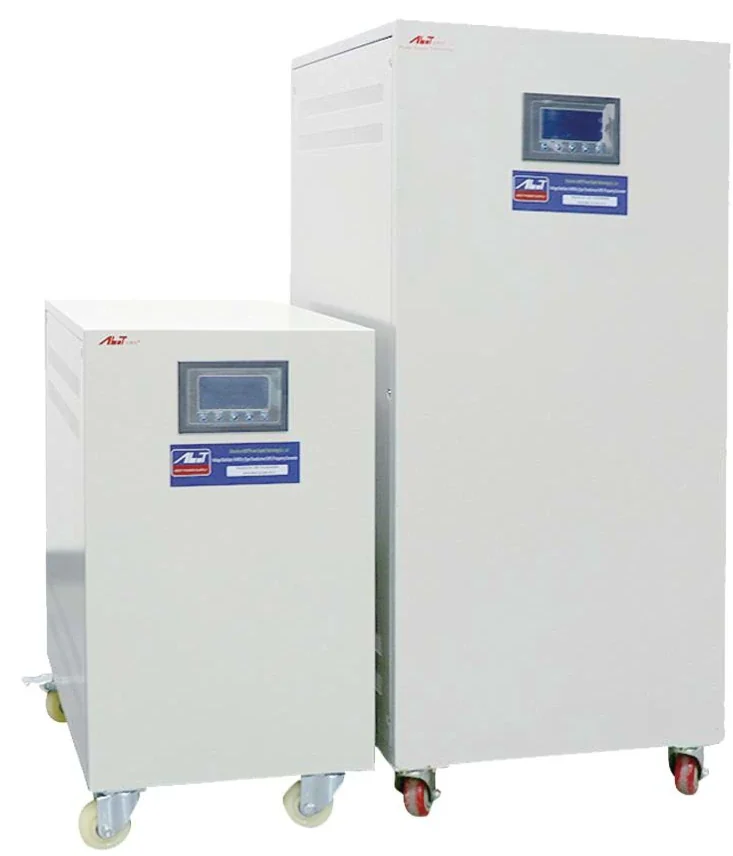 10–2000 kVA
Voltage stabilizers
Servo, static, and industrial AVRs from 10 to 2000 kVA, single-phase and three-phase, ±1–2% output.
Explore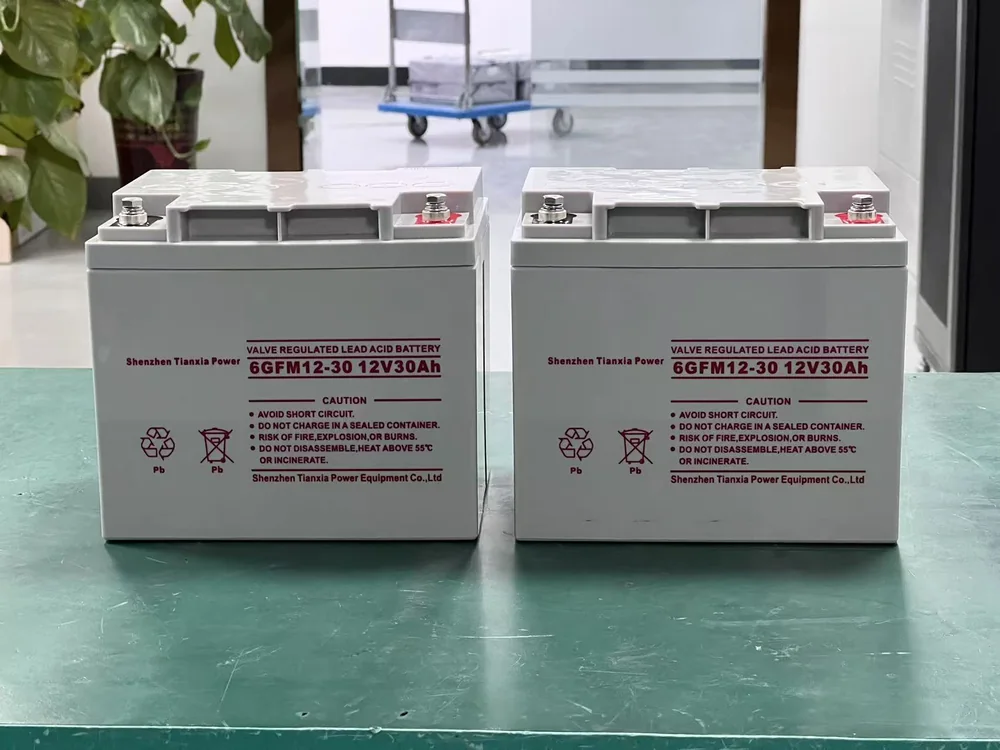 VRLA · LiFePO4 · hybrid
Batteries & inverters
VRLA, 2 V, and LiFePO4 blocks, plus pure sine wave and hybrid inverters with MPPT charging.
Explore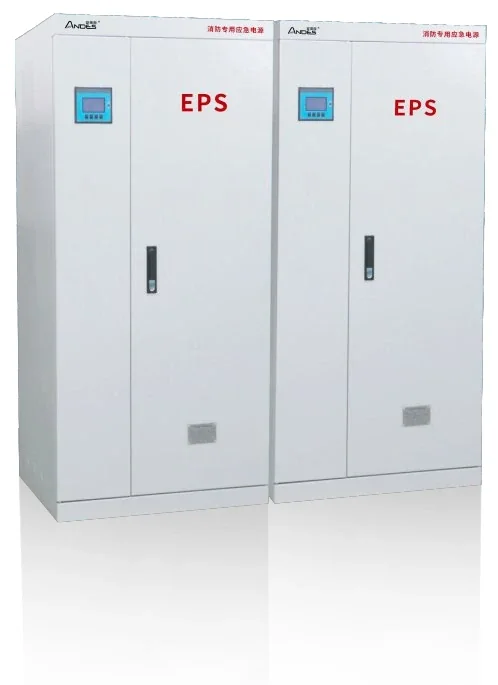 EPS · cooling · power quality
Emergency & infrastructure
EPS, fire emergency lighting, precision cooling, micro-module rooms, transformers, reactors, and frequency converters.
ExploreThe numbers a project buyer should ask for.
- Online transfer to battery
- 0 ms
- Output power factor
- 0.9
- Protections on SVC AVR
- 28
- Input THDi on large UPS
- <3%
No gap for servers, medical, or industrial control.
A 10 kVA UPS delivers 9 kW, not 10 kW.
Over/under voltage, overload, phase loss, phase reversal.
Generator and transformer friendly.
Sizing before selling
We start from the load list, the largest step change, and the runtime. The model follows the calculation.
Documented configuration
Datasheet, dimension drawing, battery sheet, and commissioning checklist match the order.
Export-ready support
Packing, HS codes, conformity documents, and Incoterms for African and Asian projects.
Commissioning guidance
Remote support for start-up, load test, and battery verification with the local contractor.
The systems that carry the project.
Each family is a complete platform with model-level specifications, not a single SKU. Choose the topology, then the capacity.
YT Series · 1–10 kVA
Single-Phase Online UPS
Double-conversion, 0 ms protection for servers, medical, and telecom loads.
SVC Series · 0.5–100 kVA
Servo Voltage Stabilizer
±2% output from a 160–456 V input swing.
12 V blocks · 24–250 Ah
VRLA Battery
Maintenance-free sealed lead-acid blocks for UPS and telecom backup.
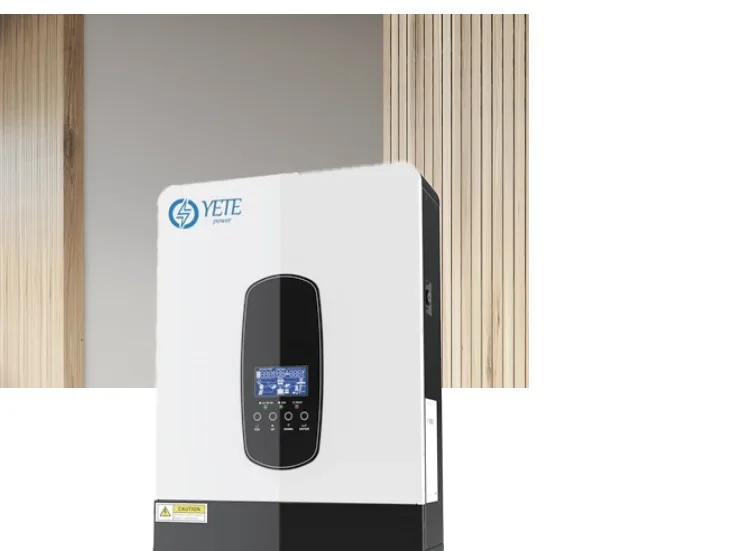
SP Series · 2.2–7 kVA
Pure Sine Wave Inverter
Grid or solar charging with a pure sine wave output.
Specified alongside the equipment that keeps production running.
Our UPS, AVR and battery systems sit behind the control rooms, data rooms and production lines of industrial groups, machine-tool builders, electronics manufacturers and infrastructure contractors. The names below are partner brands and project references from that work.
All brand names and marks are the property of their respective owners. References indicate project experience and equipment compatibility, not an authorization or endorsement.






















Start from the load you actually have.
The most common buying mistake is to size a UPS from the nameplate sum. Choose the capacity range closest to your real load, then confirm the runtime and the largest motor start.
Open the sizing calculator1 kVA
0.9 kW
Small server, POS, router
View3 kVA
2.7 kW
Branch IT, CCTV, clinic desk
View5 kVA
4.5 kW
Small server room, 32 cameras
View10 kVA
9 kW
Server room, small data center
View20 kVA
18 kW
Imaging suite, production cell
View60 kVA
54 kW
Plant control, telecom core
View100 kVA
90 kW
Hospital, commercial building
View200 kVA
180 kW
Data center, large plant
View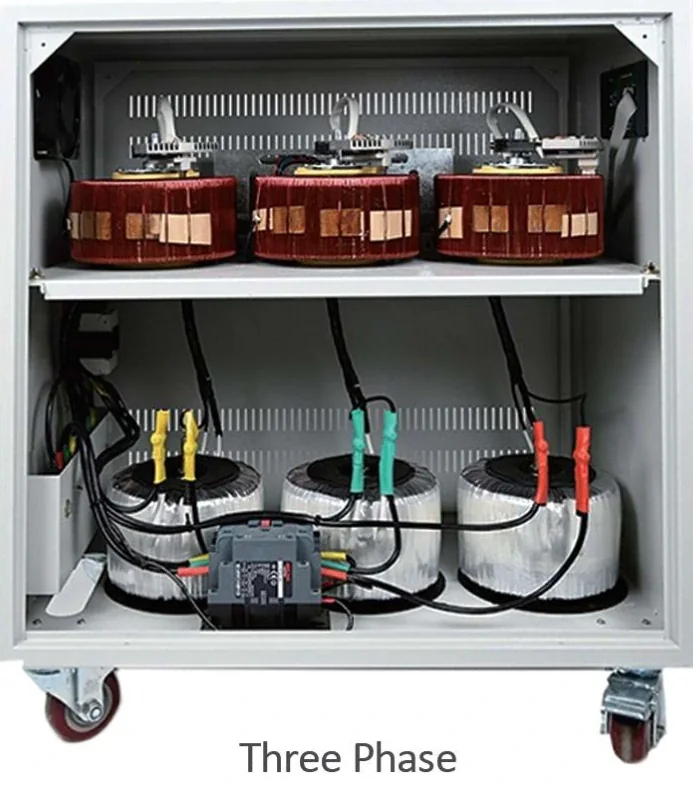
Regulation
±2%
When the input swings 160–456 V, the output should not move.
Servo stabilizers correct a wide input window with ±2% output. Contact-type AVRs give ±1% precision on a narrower window. The right choice is a function of the measured voltage, the phase balance, and the load.
- Single-phase 10–30 kVA: 160–260 VAC input, 220 VAC ±2% output.
- Three-phase 10–100 kVA: 304–456 VAC input, 380/400/415 VAC ±2% output.
- Independent phase regulation for unbalanced single-phase loads.
- >98% efficiency, 28 protections, RS485 / MODBUS-RTU.
Power architecture by application.
Start from the load and the site, not from a catalogue number.

Data centers
Modular N+1, 0 ms transfer, battery room planning.
Protect the IT load with a modular or parallel frame, external battery, SNMP/DCIM monitoring, and a maintenance bypass.
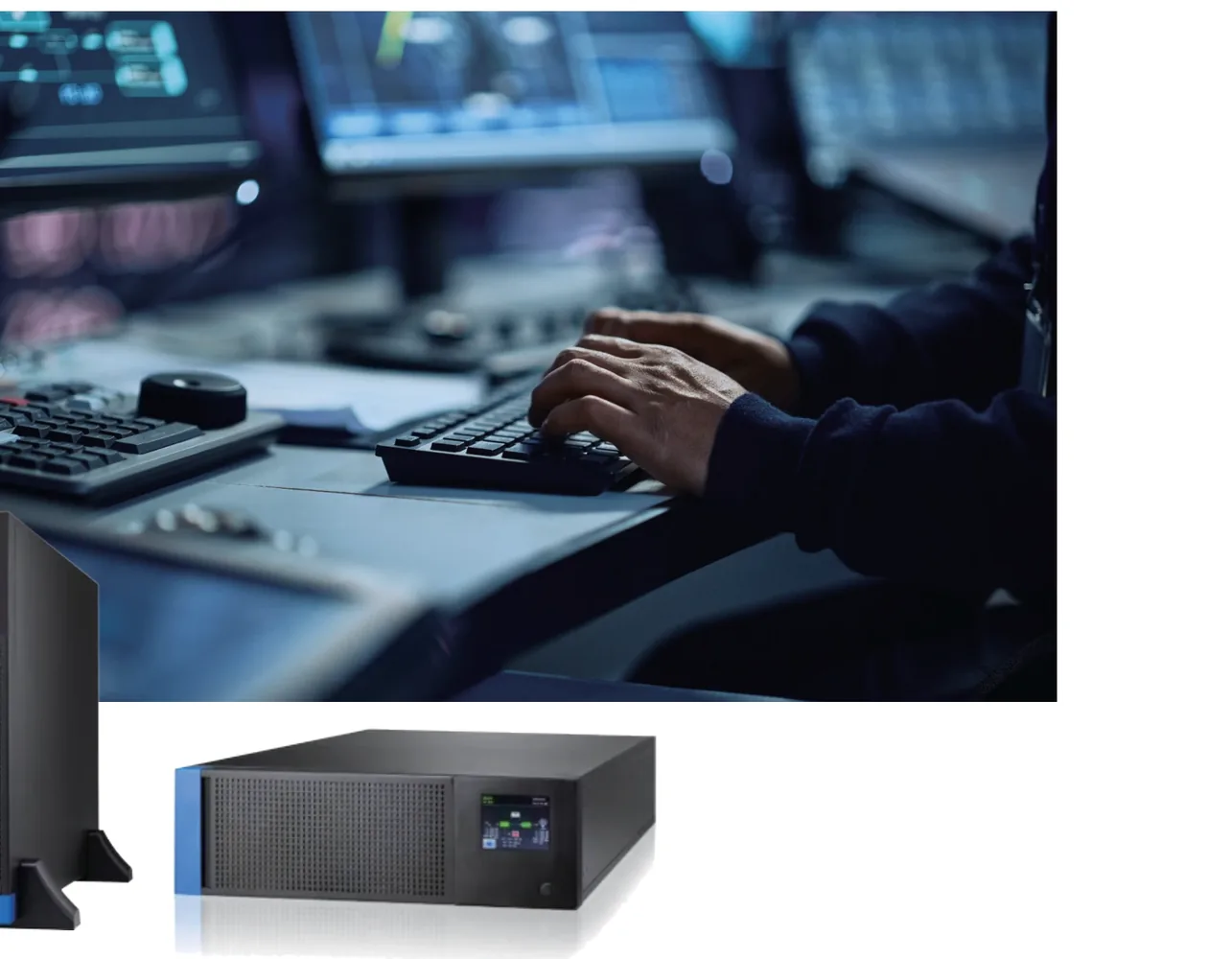
Server rooms
Right-size the rack, the runtime, and the room.
3–20 kVA online UPS with rack or tower format, 10–60 minutes of runtime, and remote shutdown for branch IT.
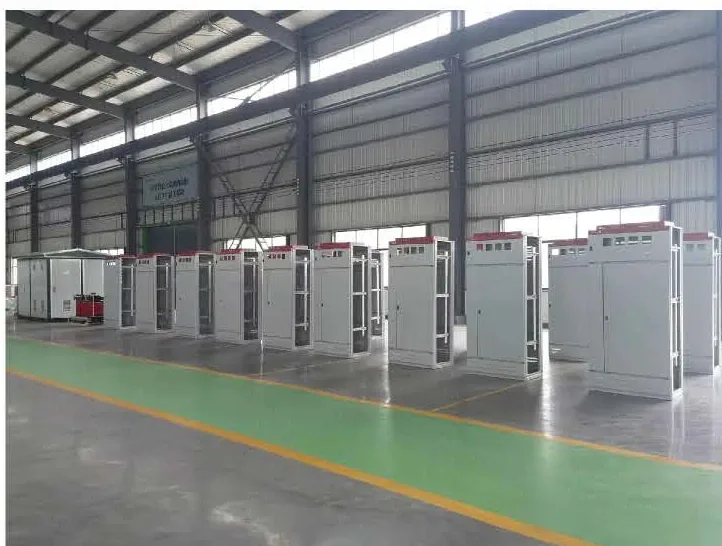
Industrial plants
Wide input, high overload, harsh-environment power.
Industrial UPS and three-phase AVR for PLC, DCS, CNC, water treatment, and process lines.
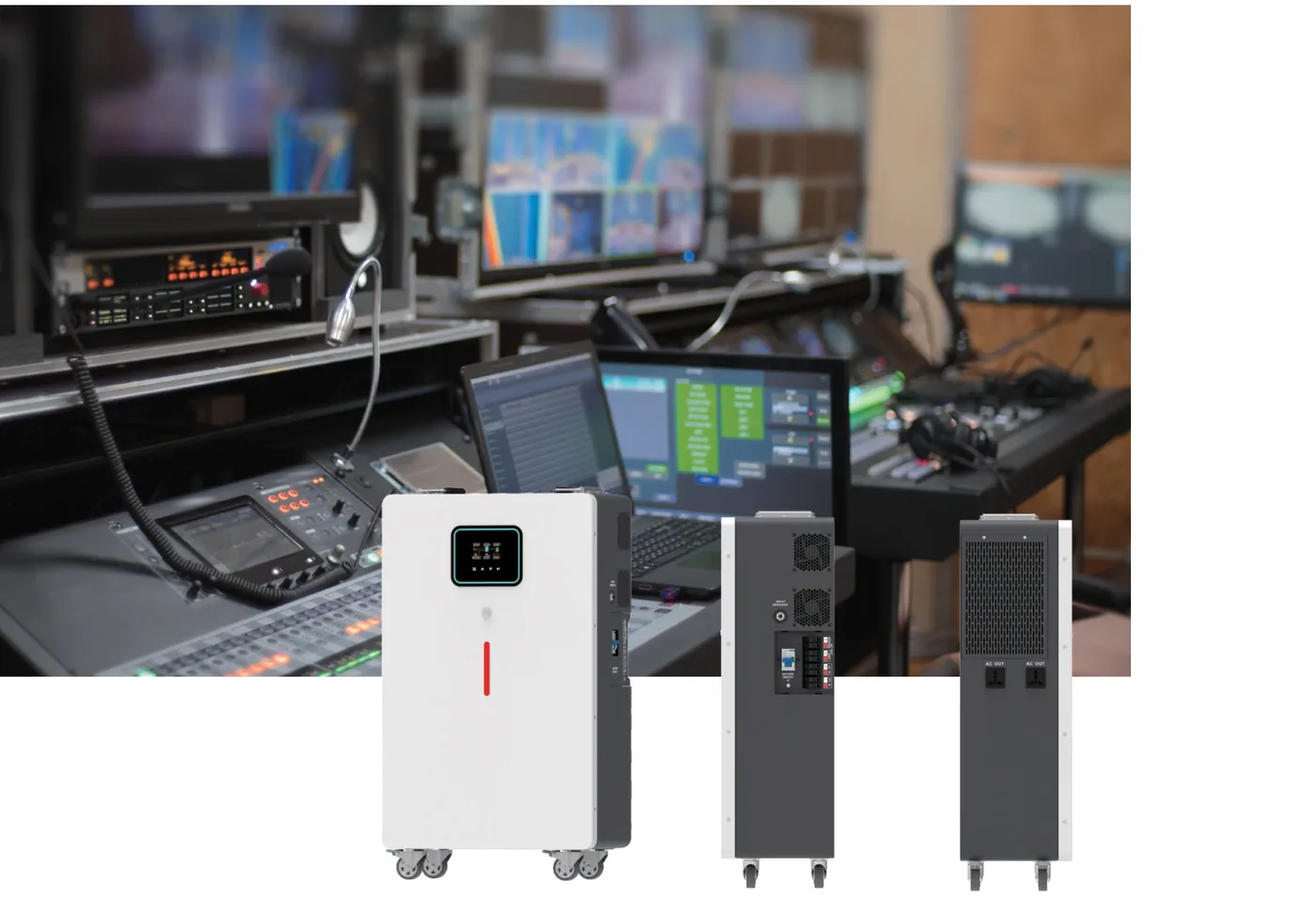
Security & surveillance
Keep the cameras recording through the outage.
1–5 kVA UPS with 4–8 hours of runtime for NVRs, PoE cameras, access control, and alarm panels.
Telecom sites
DC, AC, and long runtime in remote locations.
48 VDC rectifier systems and AC UPS for base stations, microwave links, and unmanned sites.
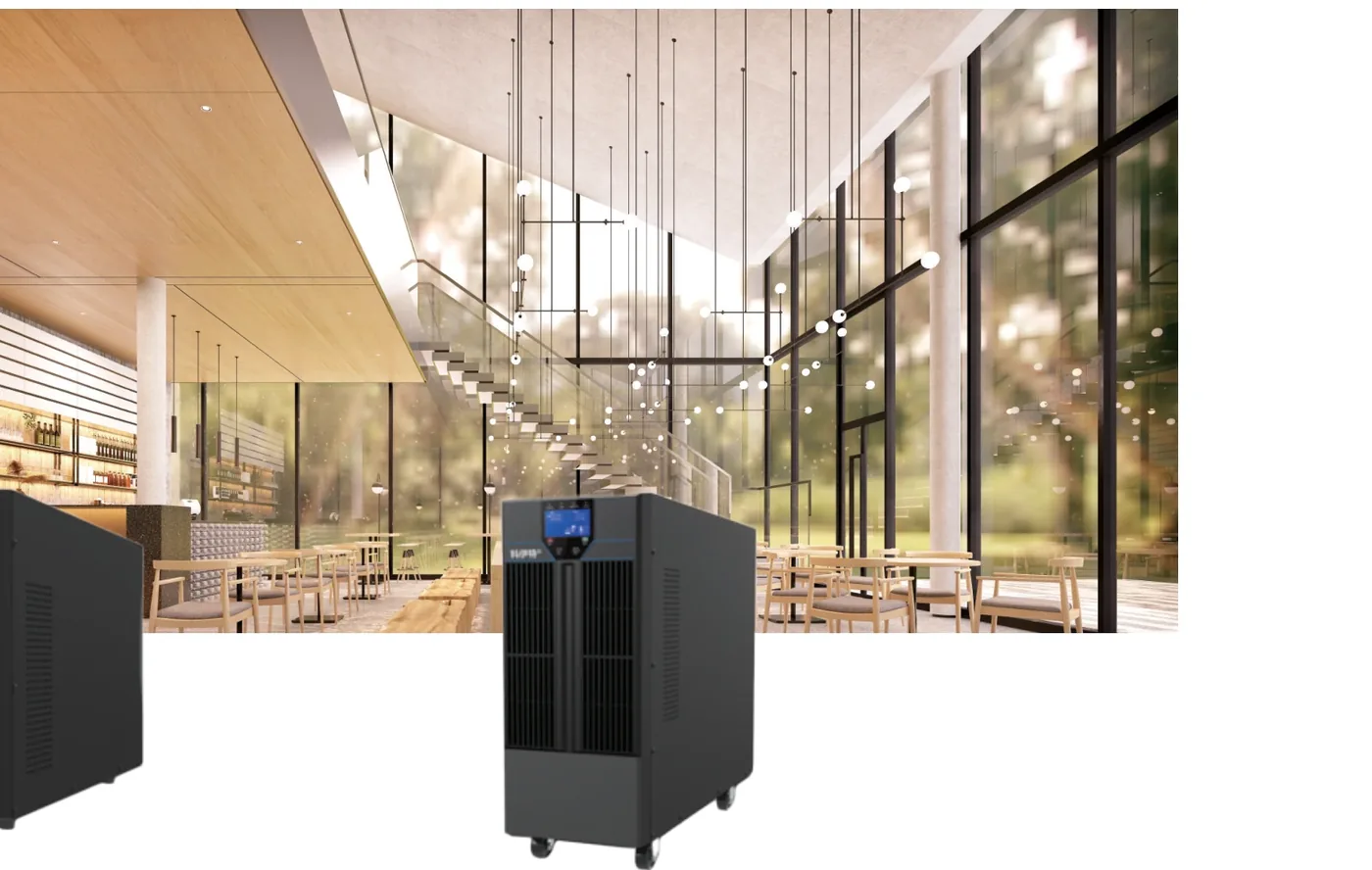
Commercial buildings
Protect the systems that keep the building open.
Three-phase AVR and UPS for hotels, offices, retail, lifts, HVAC controls, security, and payment systems.
Built for the grids and the paperwork of growth markets.
The same 10 kVA UPS needs a different battery, documentation set, and delivery plan in Johannesburg, Manila, Dhaka, or Lagos. These are the markets we configure most often.
Load shedding, 230 V / 50 Hz, NRCS route
Brownouts, 220 V / 60 Hz, PS/ICC route
Load shedding, 220 V / 50 Hz, BSTI/BDCS
Wide voltage swings, generator changeover
Voltage instability, 220 V / 50 Hz
Voltage stabilizer demand, 220 V / 50 Hz
Project procurement, 380–415 V
PVoC route, 240 V / 50 Hz
100%
Load test before packing, with the model-specific record.
A test record should follow every cabinet.
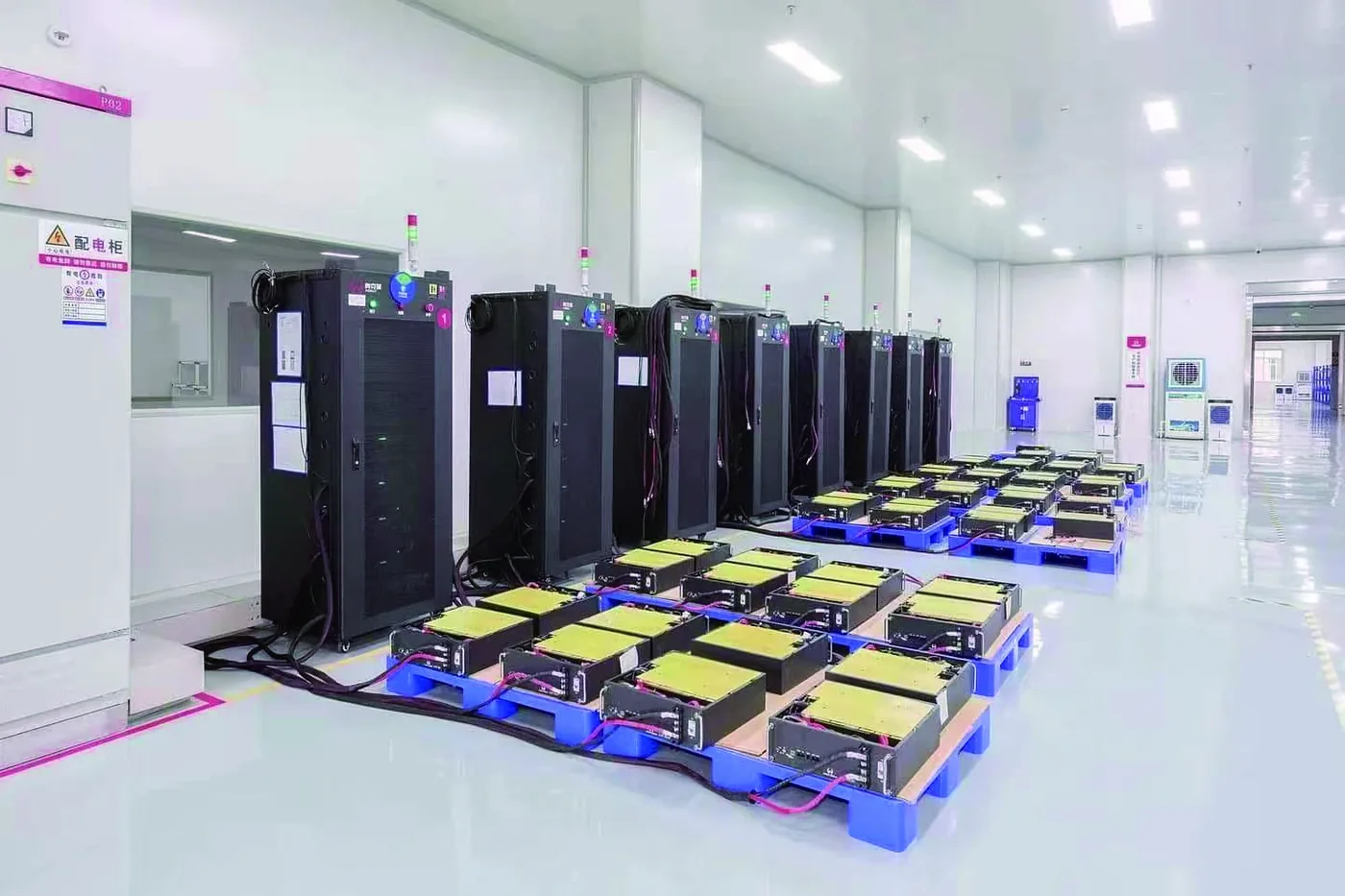
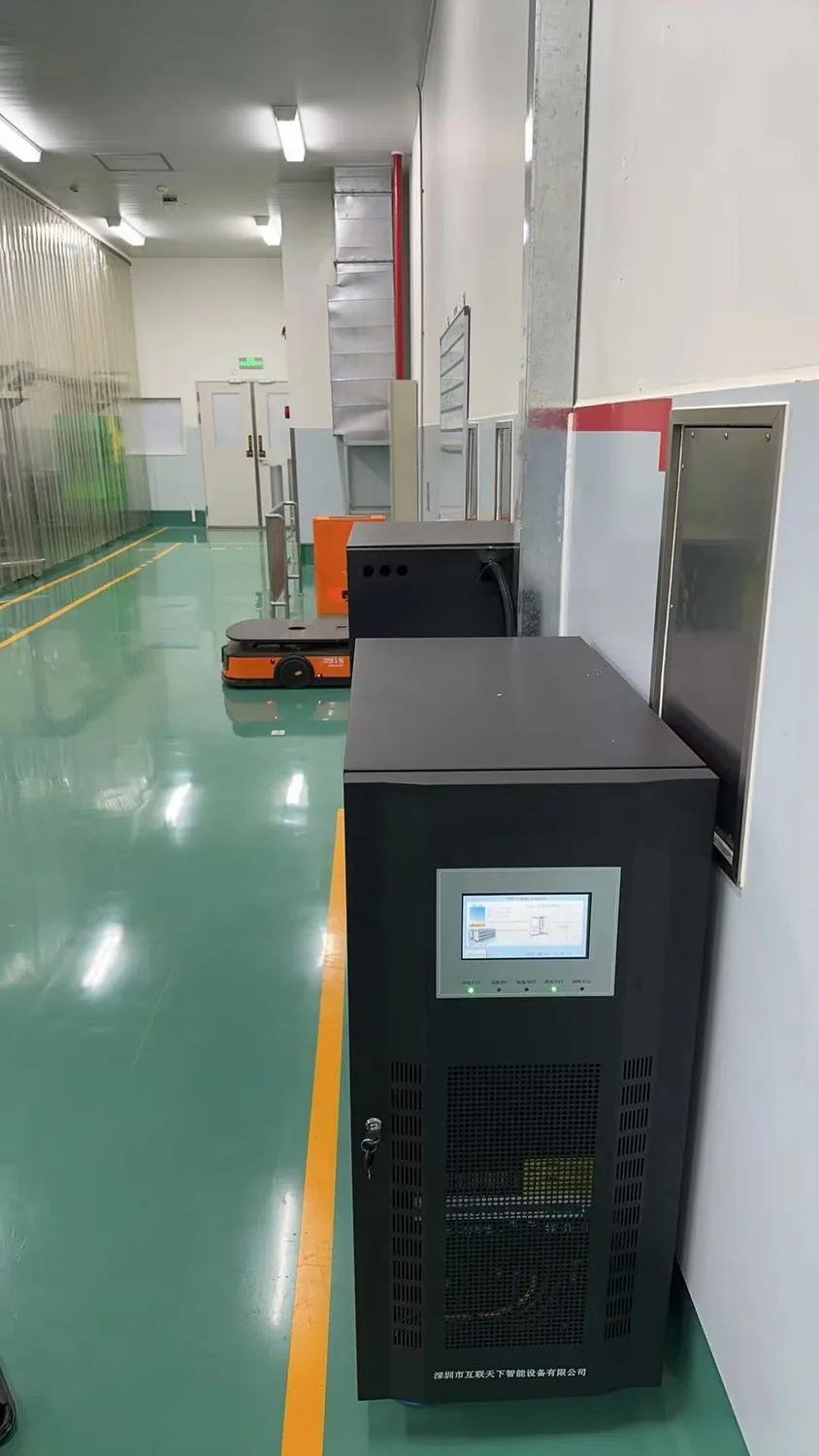
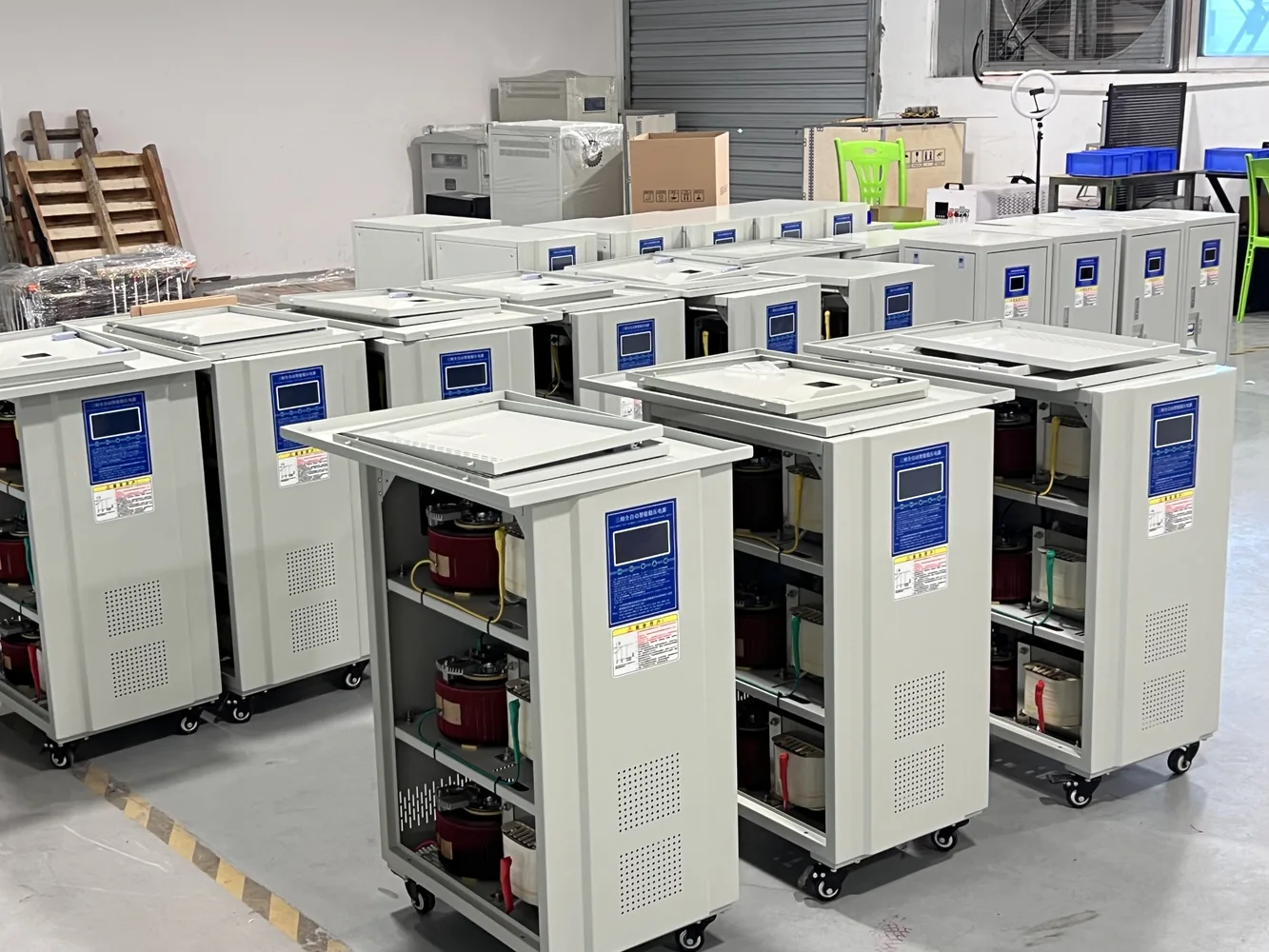
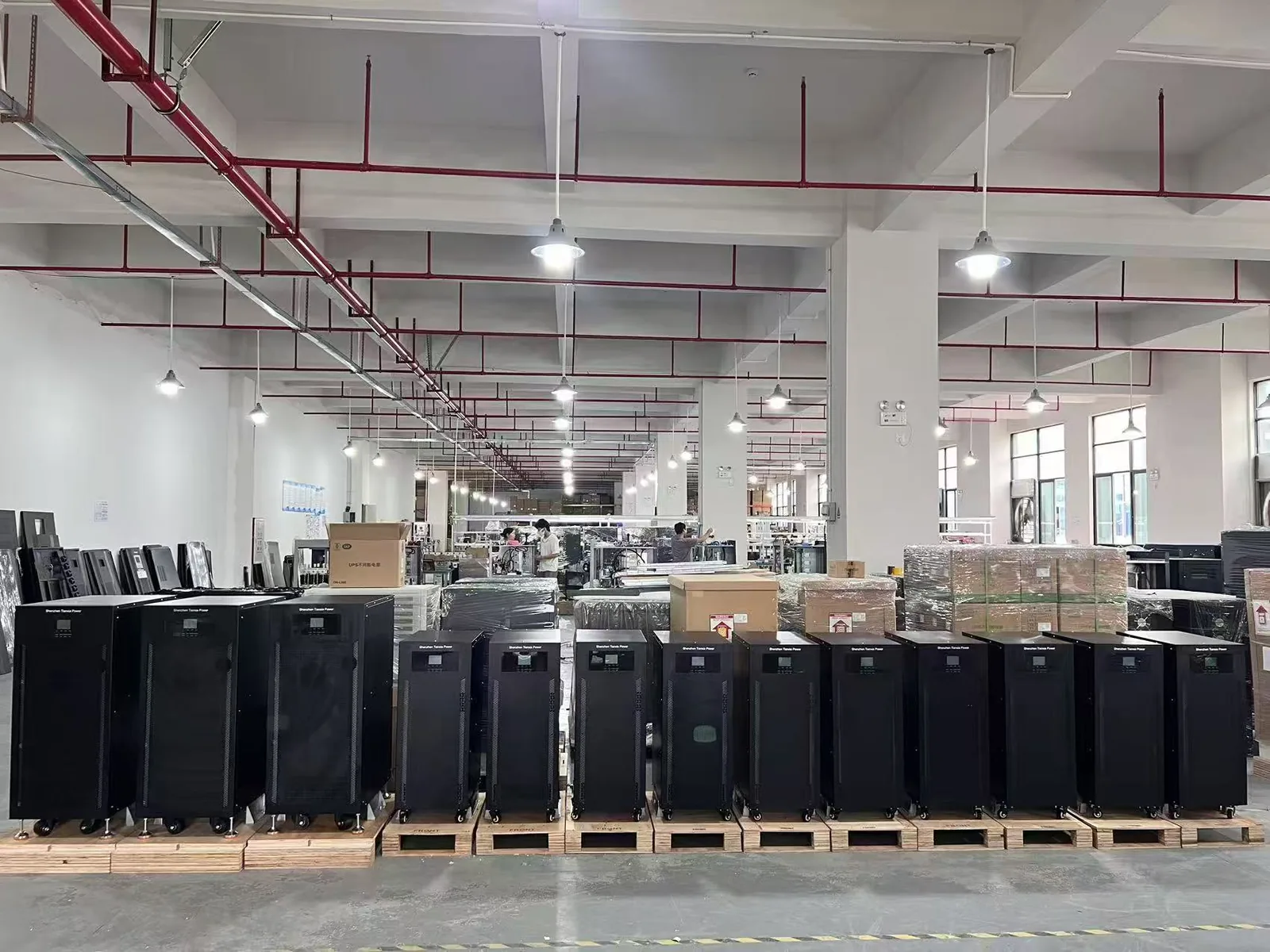
Our manufacturing partners assemble and test UPS, AVR, battery, and inverter systems in Shenzhen, Huizhou, and Foshan. Incoming inspection, burn-in, load test, and final inspection are recorded against the order.
What do the workshop and installed units look like?
Production photos and units in service, not renders. They show the cabinet, battery and assembly work behind the catalogue.
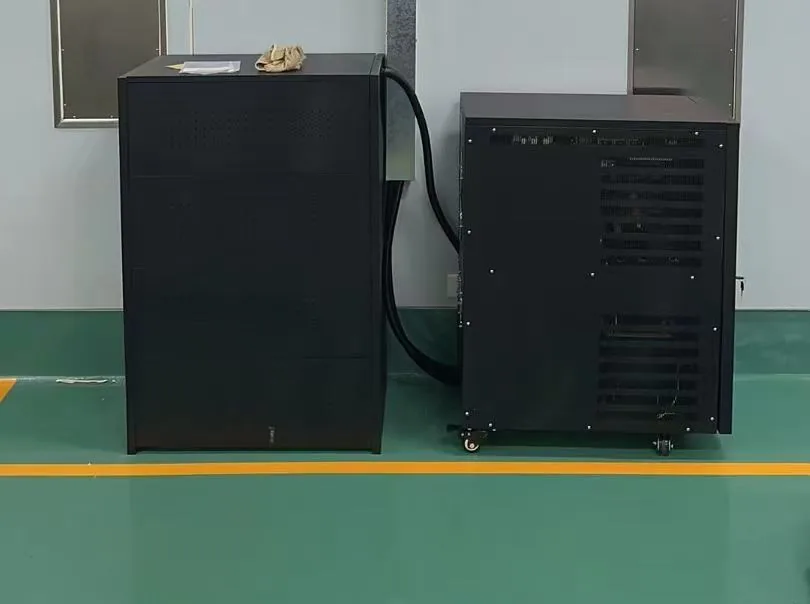
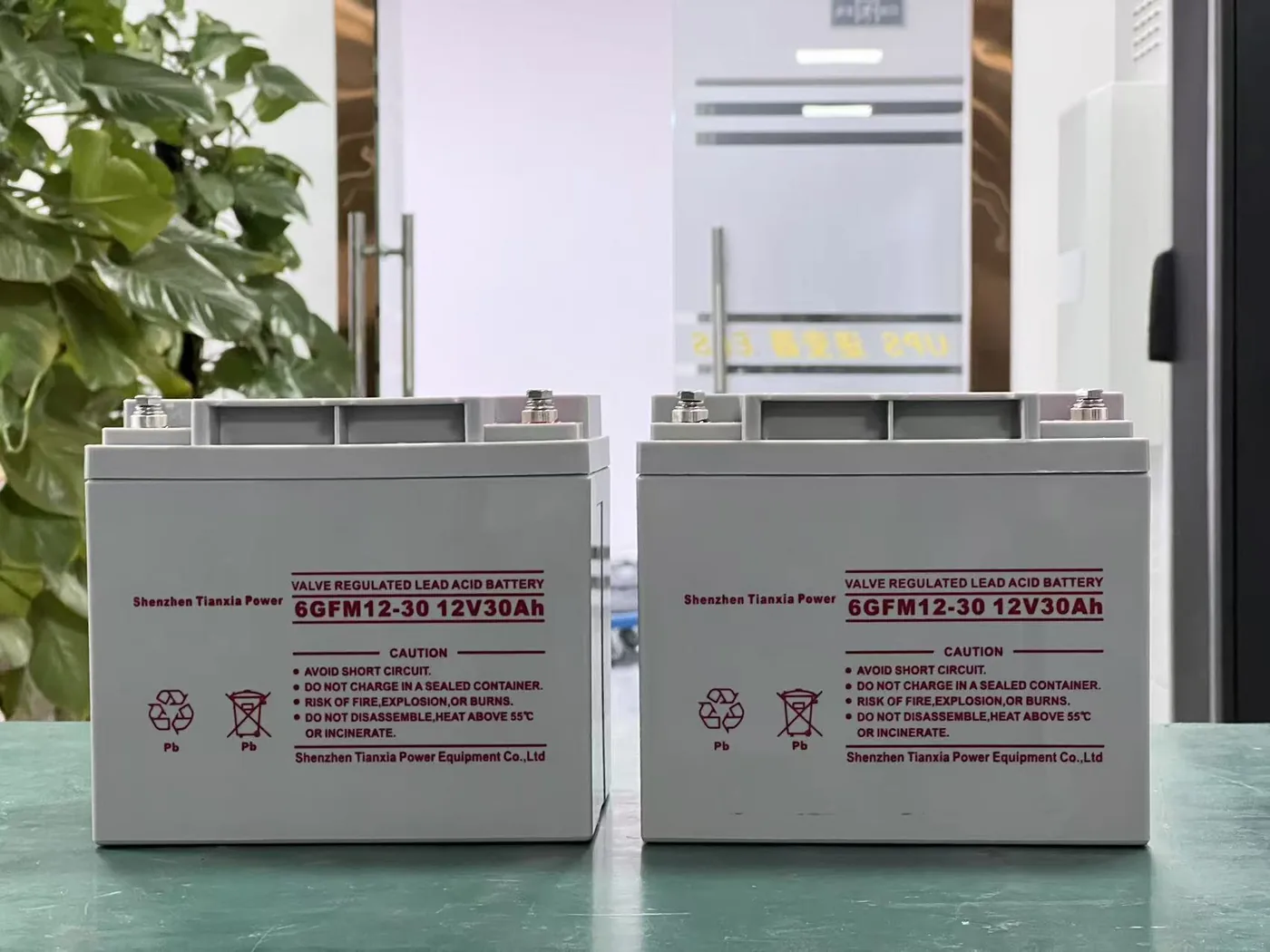
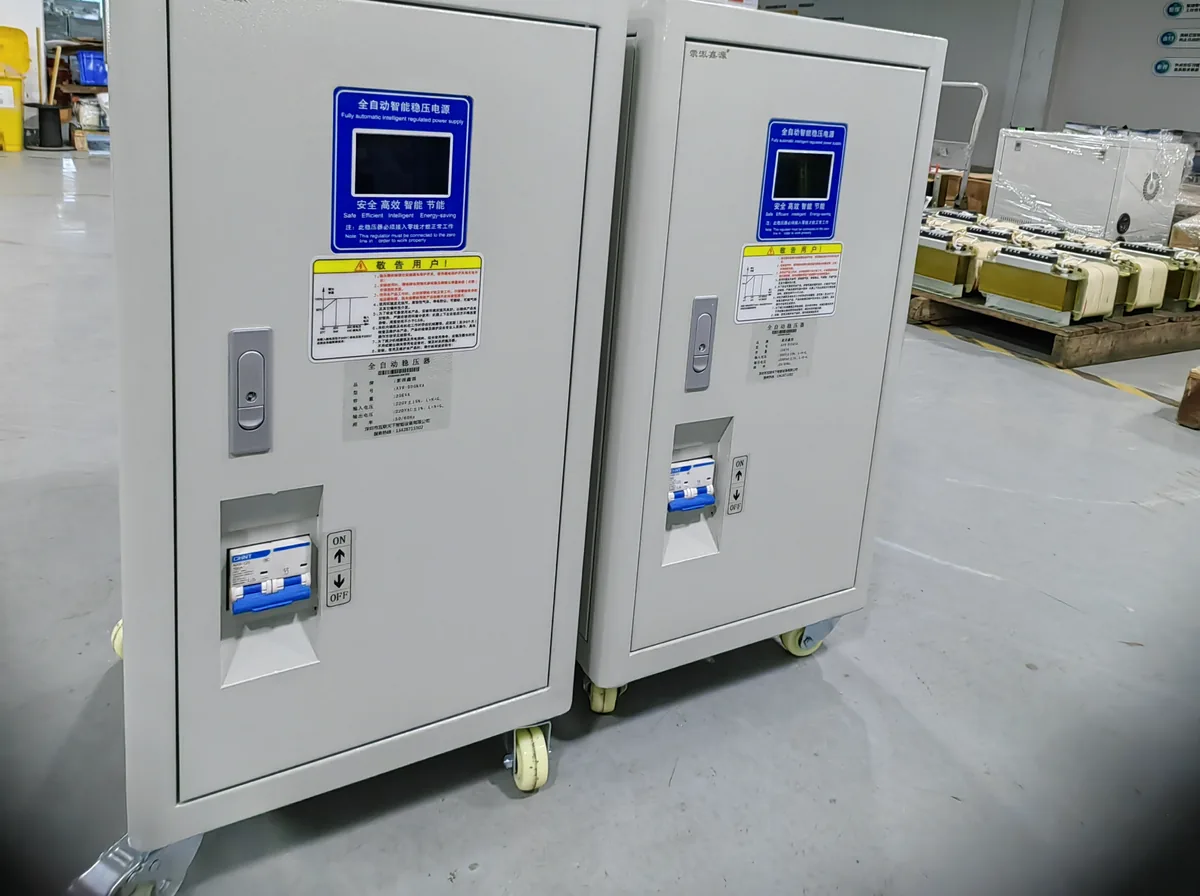
Photos are from the manufacturing workshop and installed units. Component brands and configurations may vary by order; the photos are not model-specific.
A project path, not a shopping cart.
Load review
Share the load list, the largest motor, the runtime, and the site conditions.
Sizing
We calculate the kVA, the battery bank, and the input current, and confirm the topology.
Configuration
Model, battery, monitoring, bypass, and documentation are fixed in a single configuration.
Build & test
Production, burn-in, load test, and export packing with the model-specific records.
Delivery & start-up
Shipping documents, commissioning checklist, and remote support for the site team.
Technical notes for project buyers.
Modular UPS
Modular UPS vs Tower UPS: Which Fits Your Site?
Compare modular and tower UPS architectures on redundancy, part-load efficiency, footprint and ten-year cost, with frame and sizing data for 10–600 kVA.
2026-11-07 Elevator
Elevator Backup: UPS, ARD and Rescue Circuit
How elevator backup works: UPS vs ARD rescue device vs generator, how to size the rescue circuit, and what to confirm with the lift contractor.
2026-10-30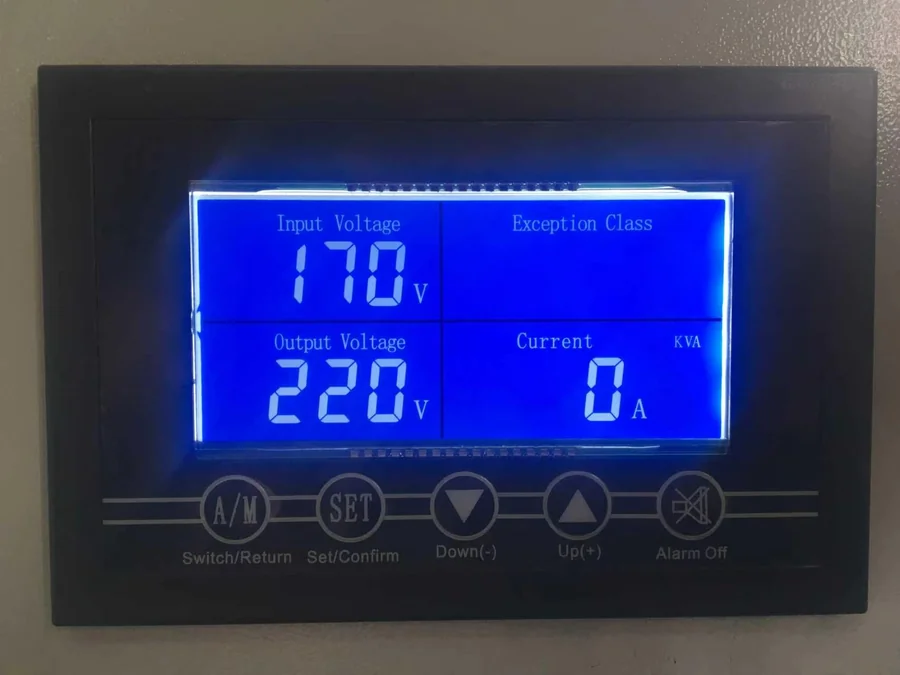
Gas station
Gas Station Power: AVR, UPS and Backup
Protecting a fuel station: the load list, AVR vs UPS, hazardous-area rules for equipment placement, generator coordination and a backup configuration.
2026-10-30Capacity and market quick reference.
Typical capacity reference
| UPS size | Real power at 0.9 PF | Typical load |
|---|---|---|
| 1 kVA | 0.9 kW | Small server, POS, router |
| 3 kVA | 2.7 kW | Branch IT, CCTV, clinic desk |
| 5 kVA | 4.5 kW | Small server room, 32 cameras |
| 10 kVA | 9 kW | Server room, 6–8 racks |
| 20 kVA | 18 kW | Small data center, production cell |
| 60 kVA | 54 kW | Plant control, telecom core |
| 100 kVA | 90 kW | Hospital, commercial building |
| 200 kVA | 180 kW | Large data center, process plant |
Market configuration reference
| Market | Supply | Focus |
|---|---|---|
| South Africa | 230 V / 50 Hz | Load shedding, NRCS documentation |
| Philippines | 220 V / 60 Hz | Brownouts, AVR + UPS |
| Bangladesh | 220 V / 50 Hz | Load shedding, price drivers |
| Nigeria | 230 V / 50 Hz | Wide voltage swings, generator |
| UAE / Saudi Arabia | 380–415 V / 50 Hz | Project procurement, SASO |
What project buyers ask first.
Project-specific answers. If your question is not here, send the load list and the site conditions.
Talk to an engineer How do I know which UPS size I need?
Start with the running kW, divide by the output power factor, and add 20–25% design margin. Then check the largest motor start and the required runtime. The sizing calculator gives a first estimate; the final model is confirmed against the load list.
Do you supply the battery with the UPS?
Yes. We configure the battery bank for the required runtime, from a 5-minute ride-through to an 8-hour bank, using VRLA or LiFePO4 modules. The quotation states the battery model, string configuration, and runtime basis.
Can you build for 220 V / 60 Hz or 230 V / 50 Hz?
Yes. The UPS, AVR, and inverter models are configured for the destination voltage and frequency. Confirm the site voltage, phase, and frequency at the time of order.
Do you support OEM and project branding?
OEM labeling and packaging are available for qualified orders. The MOQ, artwork approval, and label content are confirmed in the quotation.
What documentation comes with the order?
The model datasheet, dimension drawing, battery configuration sheet, packing list, and available test reports. The document set depends on the model and the destination market.
How do I get a quotation?
Send the load list, backup time, phase, site country, and any certification requirement. We review the load and return a capacity recommendation, battery configuration, and commercial offer.
Send the load list. We will return the configuration.
Tell us the kW, the backup time, the phase, and the site country. You will get a capacity recommendation, a battery configuration, and the model sheet.
- Capacity and topology recommendation
- Battery bank and runtime estimate
- Model sheet and commercial offer
Request a configuration and quotation
Send the load list, backup time, and site conditions. We will return a capacity recommendation, battery configuration, and commercial offer.