
UPS remote monitoring: see the alarm before the load does.
UPS monitoring options: SNMP cards, MODBUS TCP/RTU, dry contacts, battery monitoring, and DCIM integration for data centers and unmanned sites.
- Network alerts
- SNMP
- BMS / DCIM
- MODBUS
- Alarm panel
- Dry contact
- String monitoring
- Battery
A UPS that transfers to battery without an alert is a single point of failure waiting to happen. Remote monitoring turns the UPS from a silent box into a managed asset: mains failure, low battery, overload, overtemperature, and battery health are visible in the NOC, the BMS, or the DCIM platform.
The options range from a dry-contact card for an alarm panel to an SNMP card with email alerts and a MODBUS interface for a building management system. The right choice depends on the site: manned or unmanned, IT or industrial, single UPS or a fleet.
Which monitoring option should I choose?
UPS monitoring options
| Option | Interface | Best for | What it reports |
|---|---|---|---|
| SNMP card | Ethernet / SNMP v1-v3 | Data center, network closet | Status, load, battery, alarms, traps |
| MODBUS RTU | RS485 | BMS, PLC, industrial | Register map for voltage, current, status |
| MODBUS TCP | Ethernet | DCIM, SCADA | Register map over TCP |
| Dry contacts | Relay terminals | Alarm panel, BMS | Mains fail, battery low, bypass, fault |
| USB / RS-232 | Serial | Local shutdown | Status and shutdown commands |
| Battery monitor | Sensor bus | Large strings | String voltage, current, temperature, weak block |
What does an SNMP card do?
An SNMP card gives the UPS an IP address and exposes its status as standard OIDs. The NOC can poll the UPS, receive traps on mains failure or low battery, and trigger a shutdown script. Email and Syslog alerts are usually built in.
For a multi-site fleet, use a central SNMP manager or a DCIM platform. For a single server room, the card’s web interface and email alerts may be enough. Confirm the SNMP version (v1/v2c/v3) and the MIB file before integration.
How does MODBUS integration work?
MODBUS RTU over RS485 is common in industrial and building systems. The UPS exposes a register map for input/output voltage, current, load percentage, battery voltage, and status bits. The BMS or PLC polls the registers and raises alarms.
MODBUS TCP is used by DCIM and SCADA systems over Ethernet. Confirm the register map and the byte order; a mismatch is the most common integration problem. Request the MODBUS map with the quotation.
Do I need battery monitoring?
For a large string, yes. A battery monitor measures string voltage, current, and temperature, and can detect a weak or open block before the UPS fails on battery. It is especially valuable for a remote site where a routine capacity test is difficult.
For a small UPS with internal batteries, the UPS’s own battery test may be sufficient. For a 100 Ah+ string or a multi-string bank, add a monitor and include it in the maintenance plan.
Battery and room monitoring layers
| Layer | What it measures | Why it matters |
|---|---|---|
| Cell / block voltage | Individual block voltage | Detects a weak or open block before the string fails |
| String current | Charge and discharge current | Confirms the charger and the load profile |
| Temperature | Block and ambient temperature | Temperature is the main life factor for VRLA |
| Internal resistance | Ohmic value per block | Trends toward failure before capacity drops |
| Room environment | Temperature, humidity, smoke, water | Protects the battery room and the UPS |
| Access / door | Door contact and video | Security and unauthorized access |
What should I confirm before integration?
- SNMP version and MIB file
- MODBUS register map and byte order
- Dry-contact rating and function assignment
- IP addressing and VLAN for the management network
- Alert recipients and escalation path
- Shutdown agent compatibility with the server OS
- Test procedure for a simulated mains failure
Which standards and documents are referenced on this page?
The table lists the model-specific standards and conformity documents a project buyer should ask for. Availability depends on the frame, the battery, and the destination market; request the document that names your model.
Standards and documentation references
| Reference | What it covers |
|---|---|
| IEC 62040-1 / -2 / -3 | UPS safety, EMC and performance basis |
| IEC 60896-21 / -22 | VRLA stationary battery type and performance tests |
| IEC 61558-1 | Safety of power transformers and supply units |
| JB/T 10089 | Contact-type AC voltage stabilizer standard |
| IEC 62619 | Safety of lithium cells and batteries for industrial use |
| UN38.3 / MSDS | Lithium battery transport test and material safety data |
| ISO 9001 | Manufacturing quality management system |
| CE / RoHS | EU conformity and restricted-substance declaration |
Certificates are issued against the exact model and configuration. See the certifications page for how to confirm scope and revision, or send the model to request the current document.
Match the page to a platform.
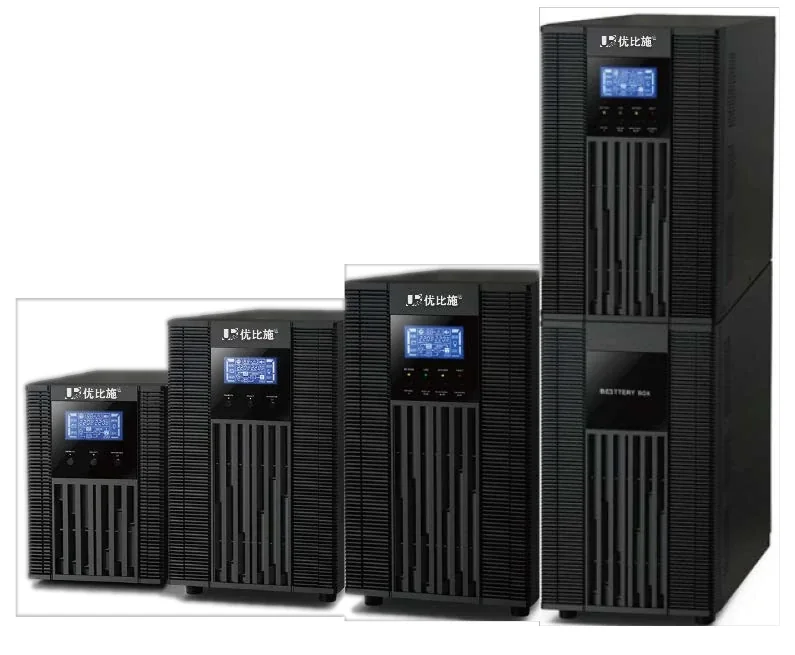
YT Series · 1–10 kVA
Single-Phase Online UPS
Double-conversion, 0 ms protection for servers, medical, and telecom loads.
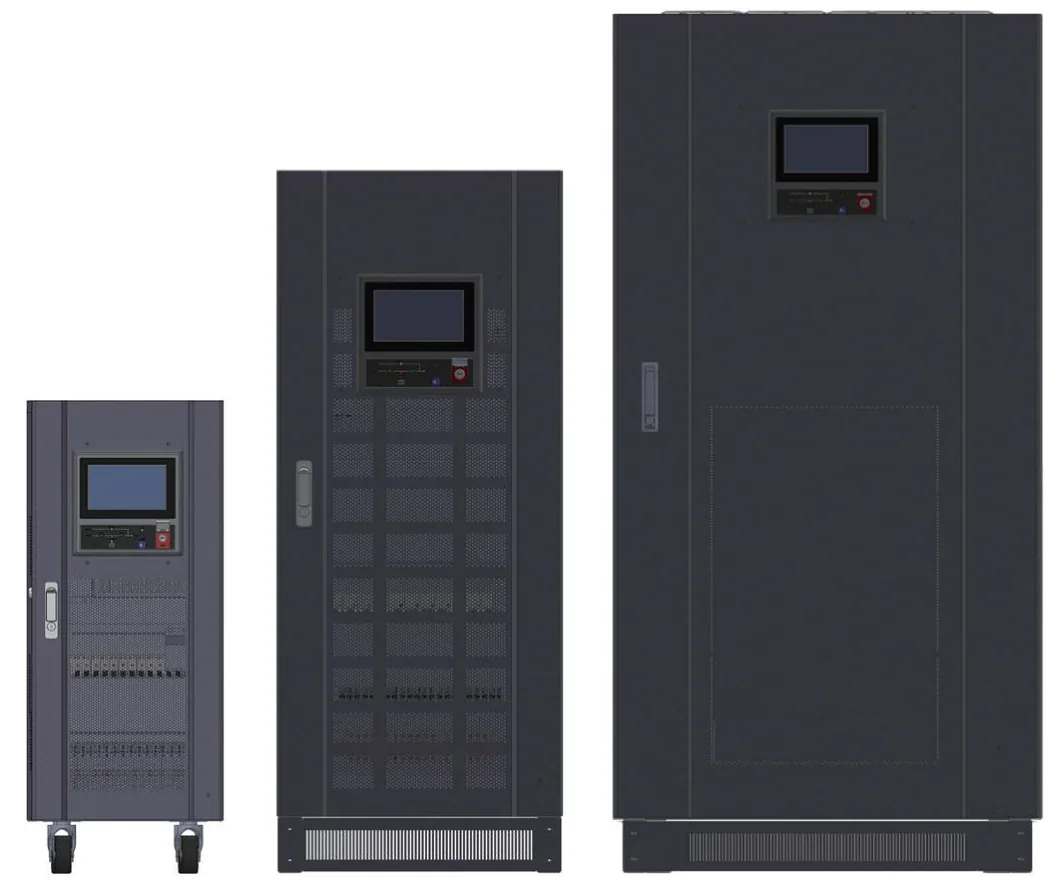
3YT / GP Series · 10–200 kVA
Three-Phase Online UPS
Three-phase double conversion for facility and industrial loads.
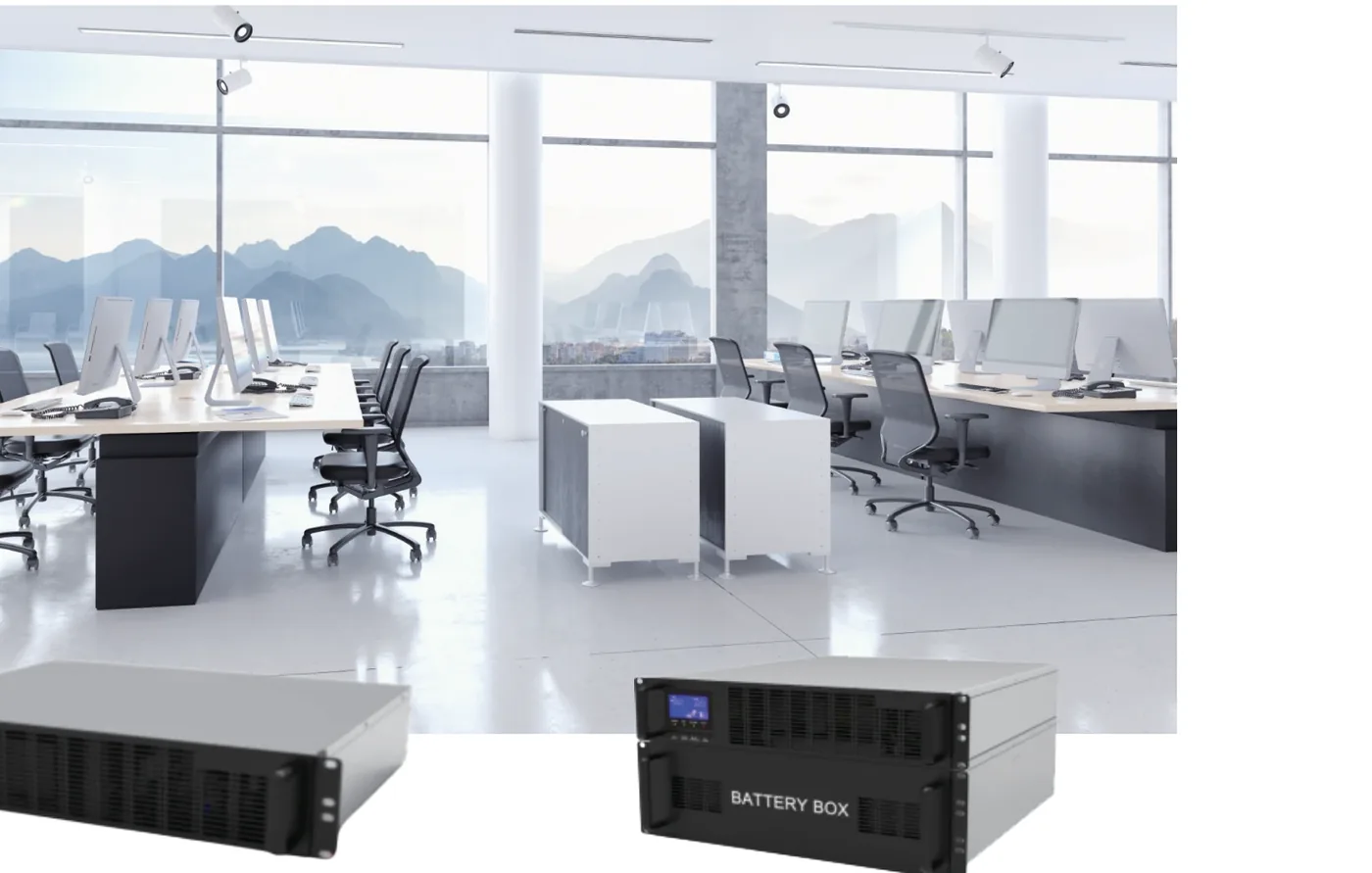
YT-R / UM / RT · 1–60 kVA
Rack-Mount UPS
Double conversion in 1U–3U, built for racks and edge rooms.
Questions from project buyers.
Project-specific answers. If your question is not here, send the load list and the site conditions.
Talk to an engineer Can I monitor a UPS without an SNMP card?
Yes, with dry contacts or RS-232/USB, but you lose the network alerts and the detailed register data. For an unmanned site, an SNMP card is the practical choice.
Does the SNMP card support email alerts?
Most cards do. Confirm the SMTP settings and the alert recipient list during commissioning.
Can the UPS integrate with my BMS?
Yes, through MODBUS RTU/TCP or dry contacts. Request the register map and confirm the BMS protocol before ordering.
What is a dry contact?
A relay contact that opens or closes on an alarm. It is used to signal a BMS or alarm panel without a network connection.
How do I test the alert path?
Simulate a mains failure with the load connected, confirm the SNMP trap/email and the dry-contact state, then restore the mains and confirm the clear event.
Send the load list. We will return the configuration.
Tell us the kW, the backup time, the phase, and the site country. You will get a capacity recommendation, a battery configuration, and the model sheet.
- Capacity and topology recommendation
- Battery bank and runtime estimate
- Model sheet and commercial offer
Request a configuration and quotation
Send the load list, backup time, and site conditions. We will return a capacity recommendation, battery configuration, and commercial offer.