
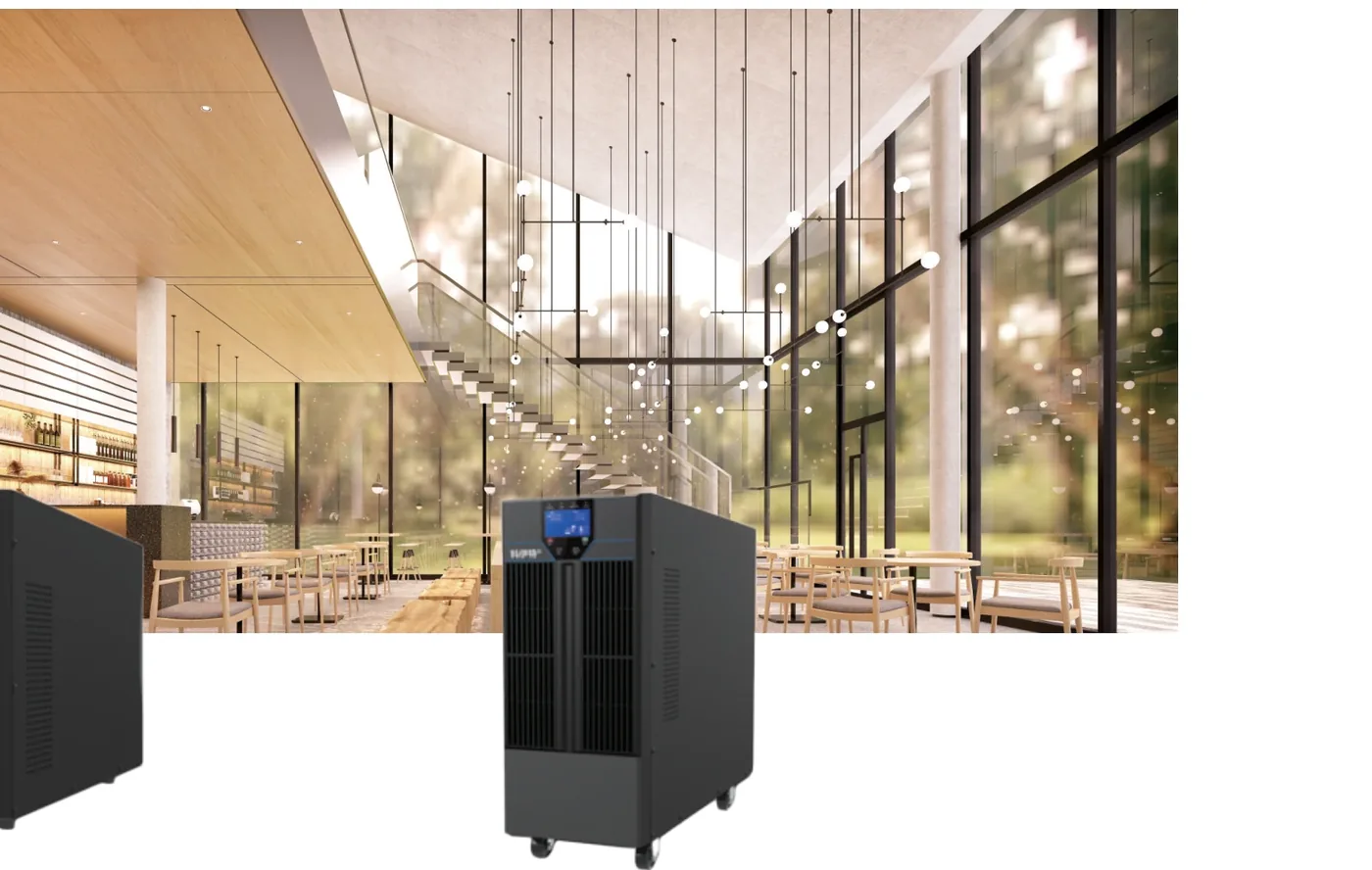
ElevatorBackup power
Elevator Backup: UPS, ARD and Rescue Circuit
How elevator backup works: UPS vs ARD rescue device vs generator, how to size the rescue circuit, and what to confirm with the lift contractor.
Sizing methods, topology comparisons, battery runtime, and grid-quality notes written for the people who sign the load list.
These reference pages explain the names, mechanisms, and sizing rules that the articles build on. They are maintained as part of the product documentation rather than as dated articles.
Four kinds of question bring people here: how big, which type, what protects it, and what the local grid does to all three. Each group below is the reading order for one of them.
Load lists, starting current and runtime, for homes, offices and specific equipment.
The comparisons that decide topology, regulator mechanism and battery chemistry.
Surge, overload and the industrial loads that break a commercial UPS.
Grid conditions by market, and why the nominal voltage is the wrong basis for sizing.
How elevator backup works: UPS vs ARD rescue device vs generator, how to size the rescue circuit, and what to confirm with the lift contractor.
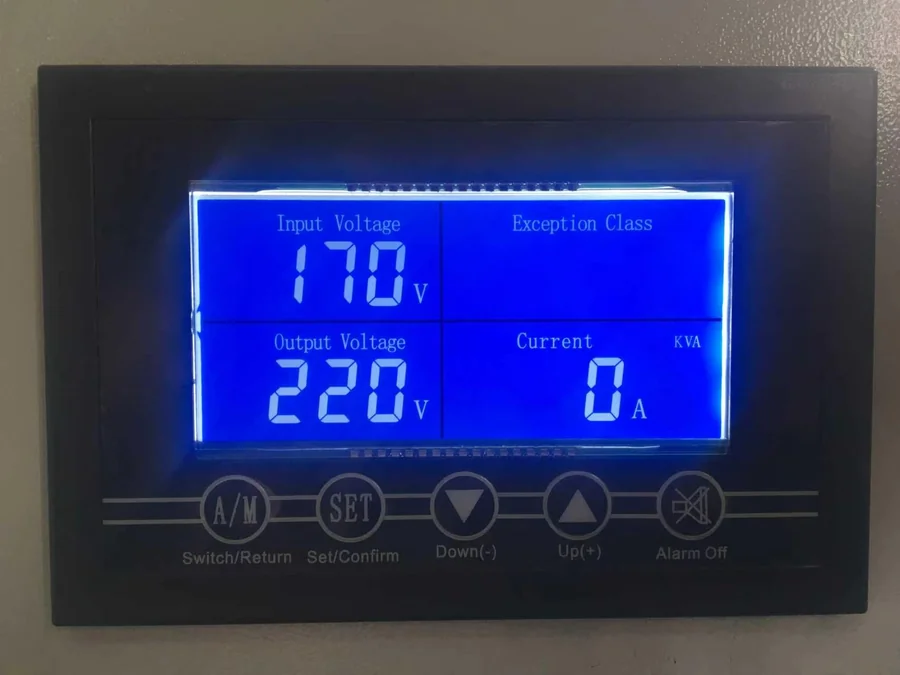
Protecting a fuel station: the load list, AVR vs UPS, hazardous-area rules for equipment placement, generator coordination and a backup configuration.
Protecting a cold room: what the UPS carries, how compressor starting current changes sizing, and battery behaviour at low and high temperature.
How surge protective devices work, the difference between Type 1, 2 and 3 SPDs, where they sit in the electrical path and how to pair them with a UPS.

UPS guide for small offices, clinics and studios: the load list, 5-minute vs 1-hour runtime, line-interactive vs online, and loads it cannot carry.
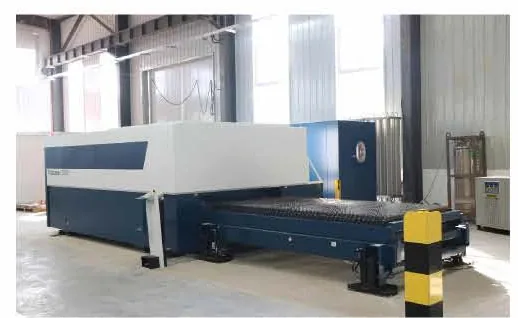
Sizing backup power for water pumps: starting current, DOL vs soft starter and VFD, three-phase loads, runtime, and when a UPS is the wrong tool.
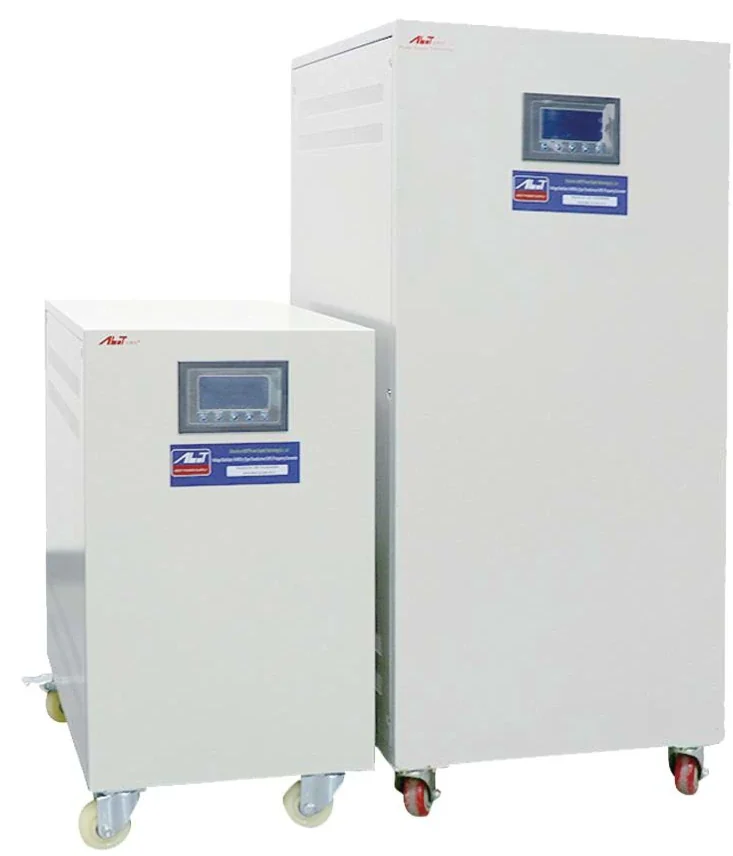
Voltage regulator, stabilizer and AVR often mean the same box. The difference between the names, the mechanisms, and how to choose for a weak grid.
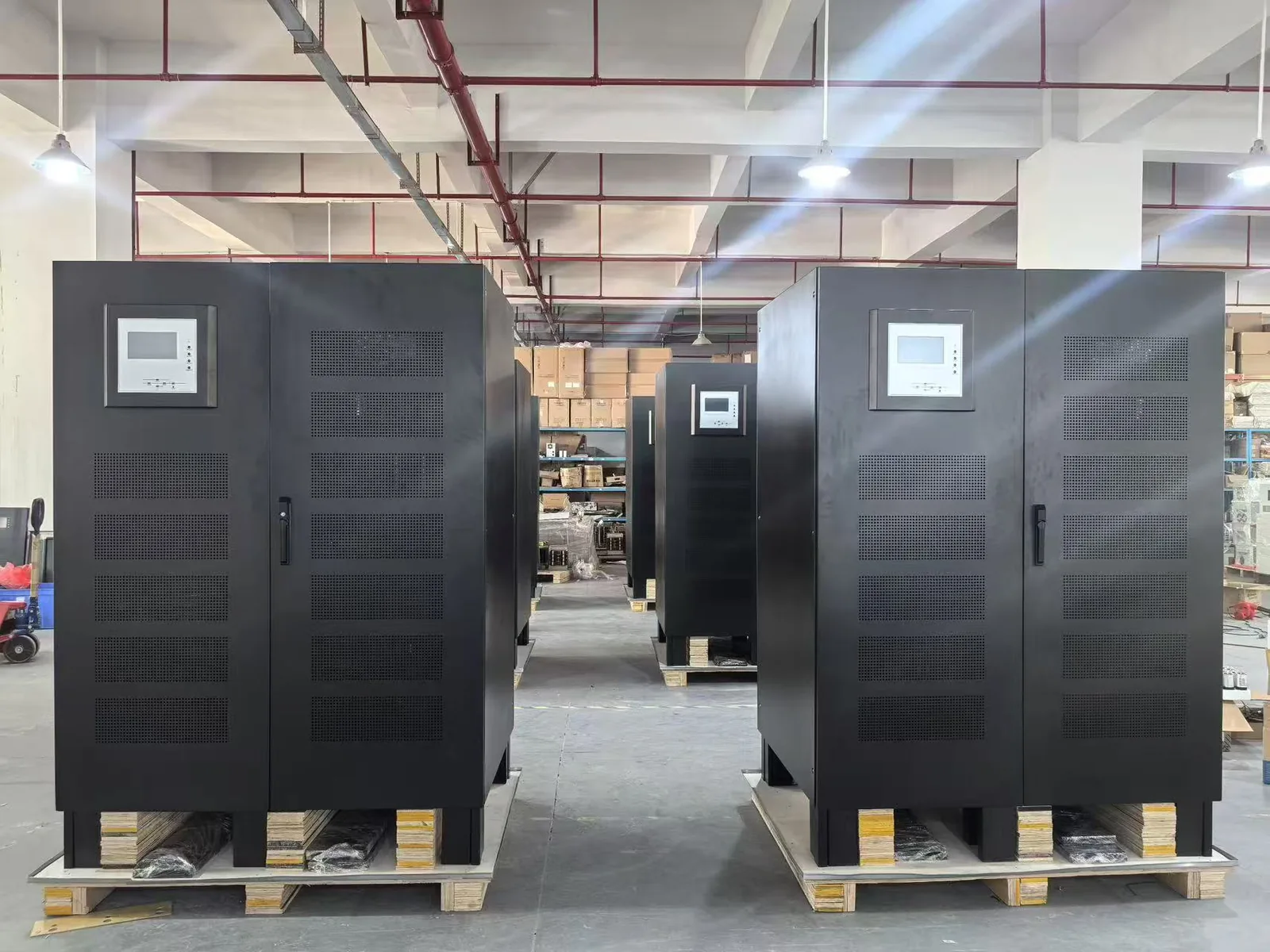
A plain-language guide to UPS systems: what a UPS does, how double-conversion, line-interactive and standby designs work, and how to size one.
A practical sizing method for UPS systems: kW to kVA, design margin, motor starting, battery runtime, and the site conditions that change the answer.
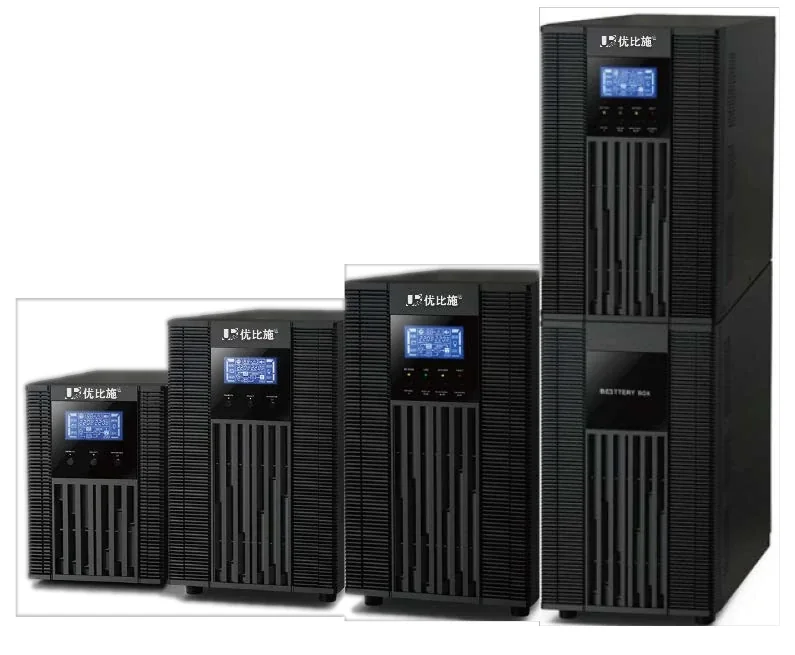
Online double-conversion vs line-interactive UPS compared: transfer time, waveform, input range, efficiency, battery use and which loads justify the price.
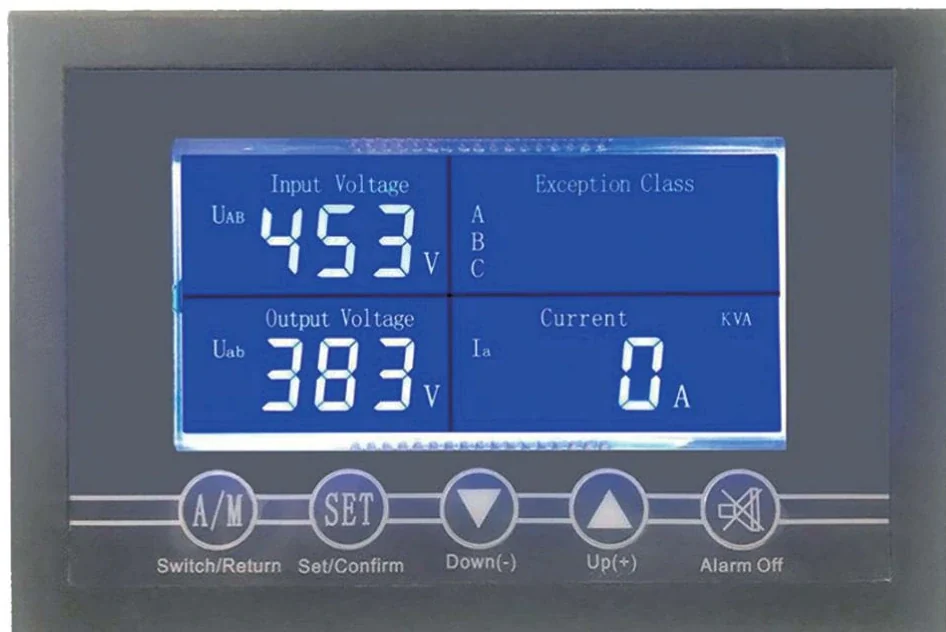
Servo vs contact-type voltage stabilizers compared: input range, output accuracy, response time, maintenance and the site readings that decide.
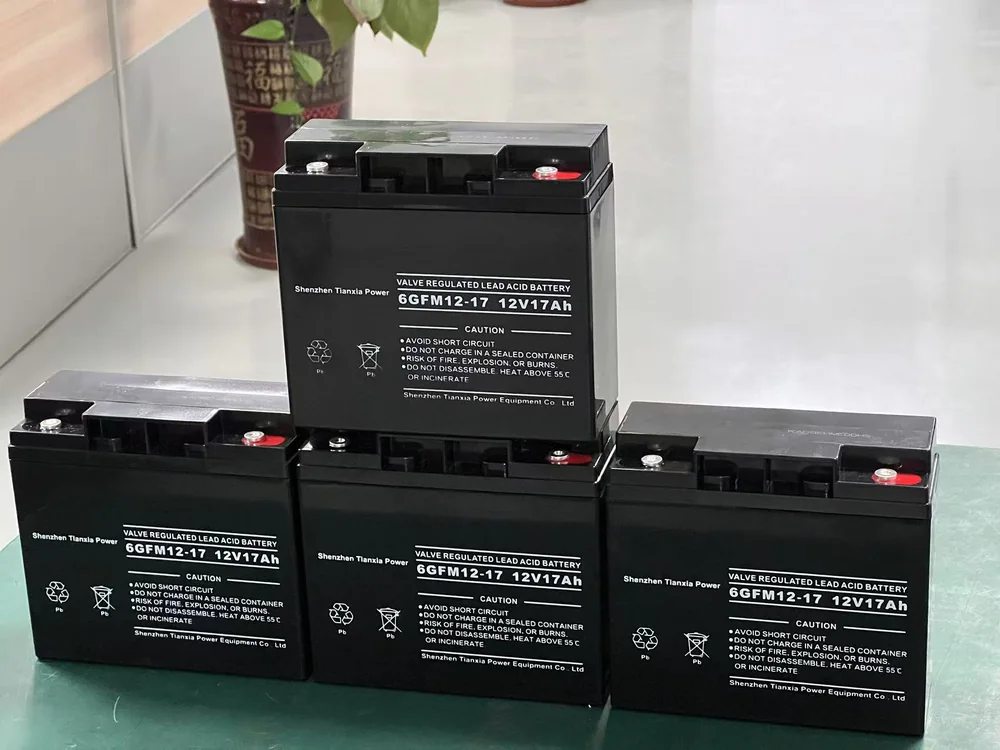
How to calculate UPS battery runtime, why a simple Ah division overestimates the bank, and when LiFePO4 is worth the higher capital cost.
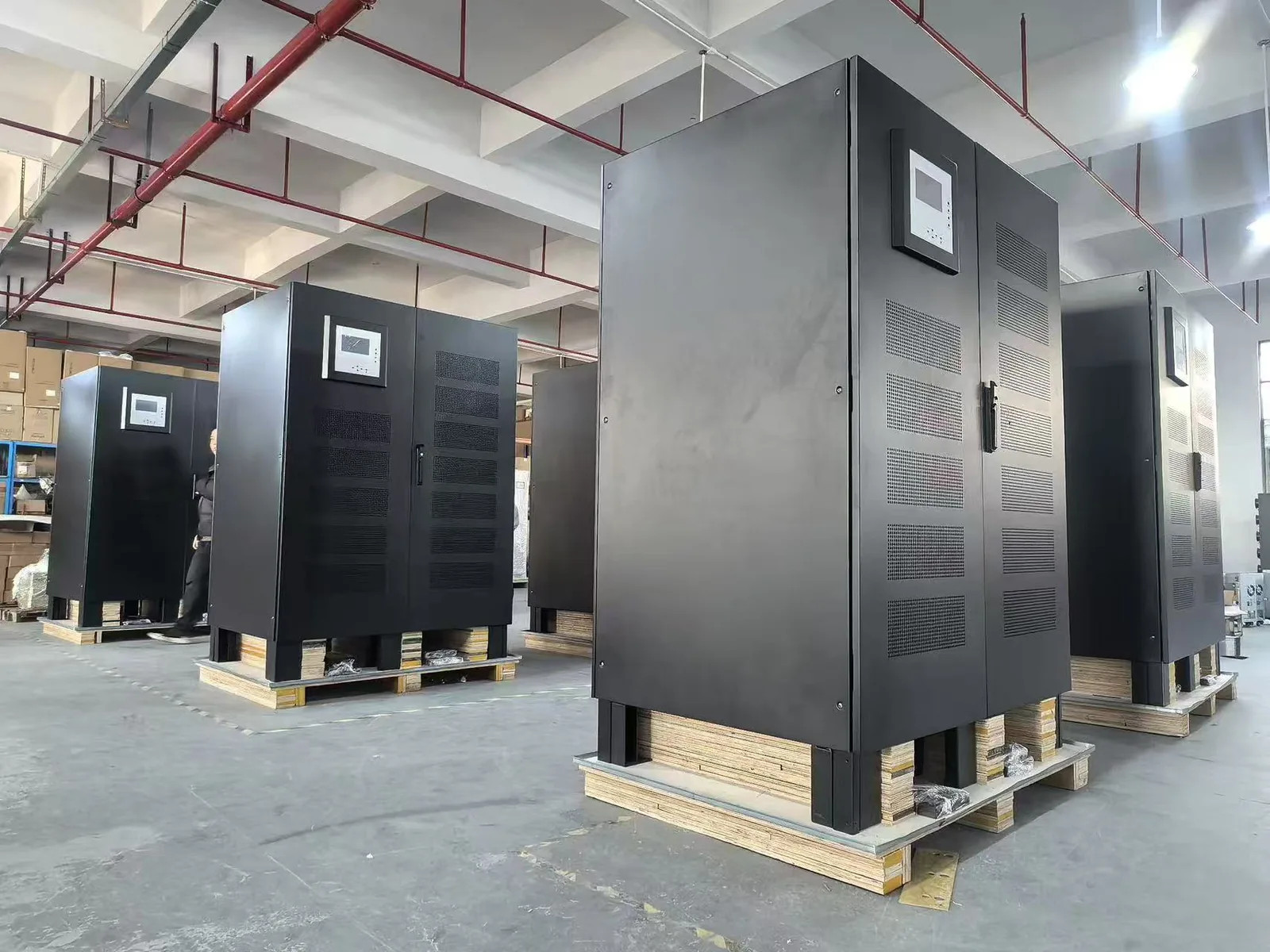
Why industrial loads need more than a commercial UPS: crest factor, motor starting, input range, overload curves, IP protection, and commissioning checks.
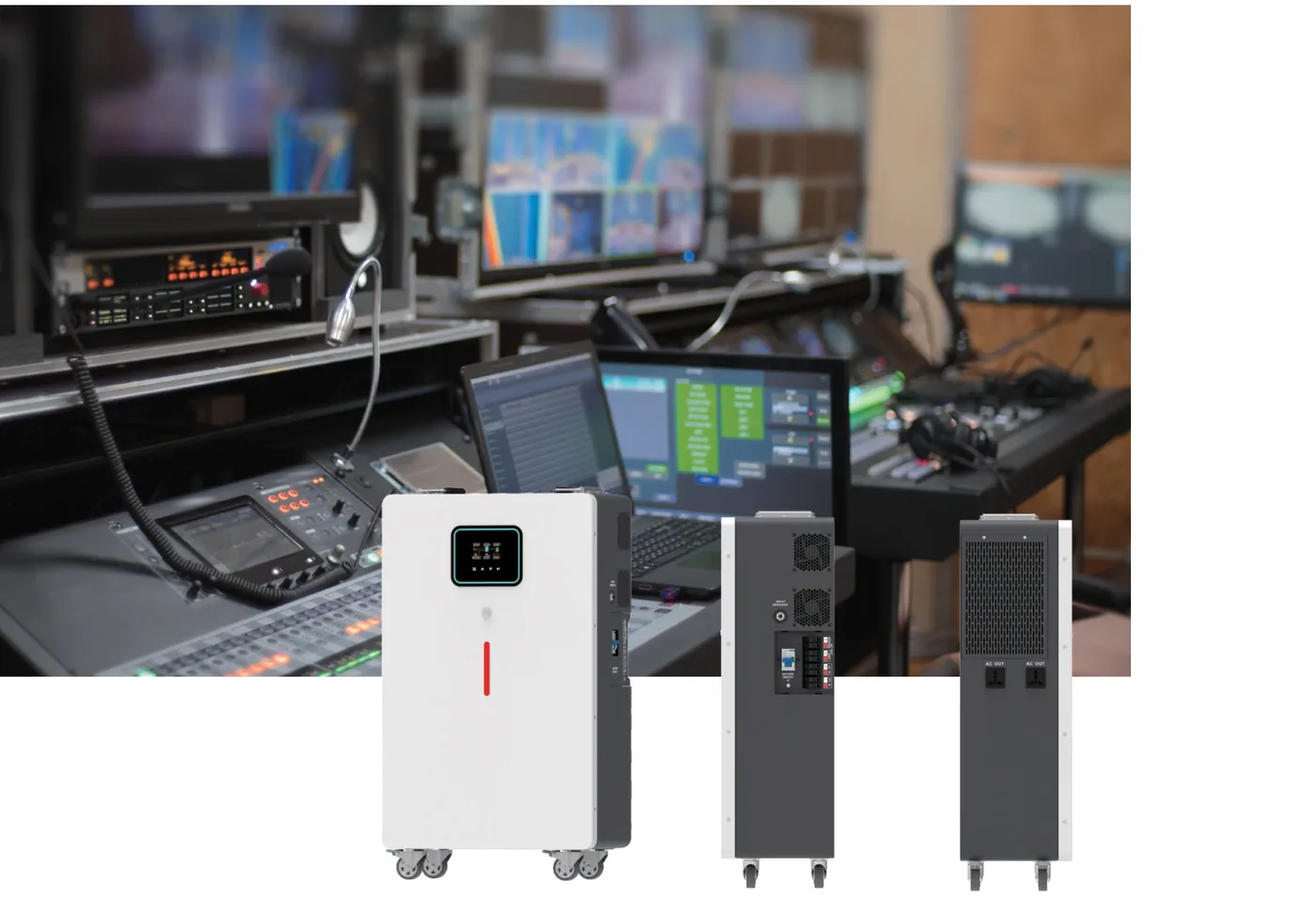
How brownouts in the Philippines differ from blackouts, why a UPS drains during a long sag, and how to combine an AVR and a UPS on 220 V / 60 Hz sites.
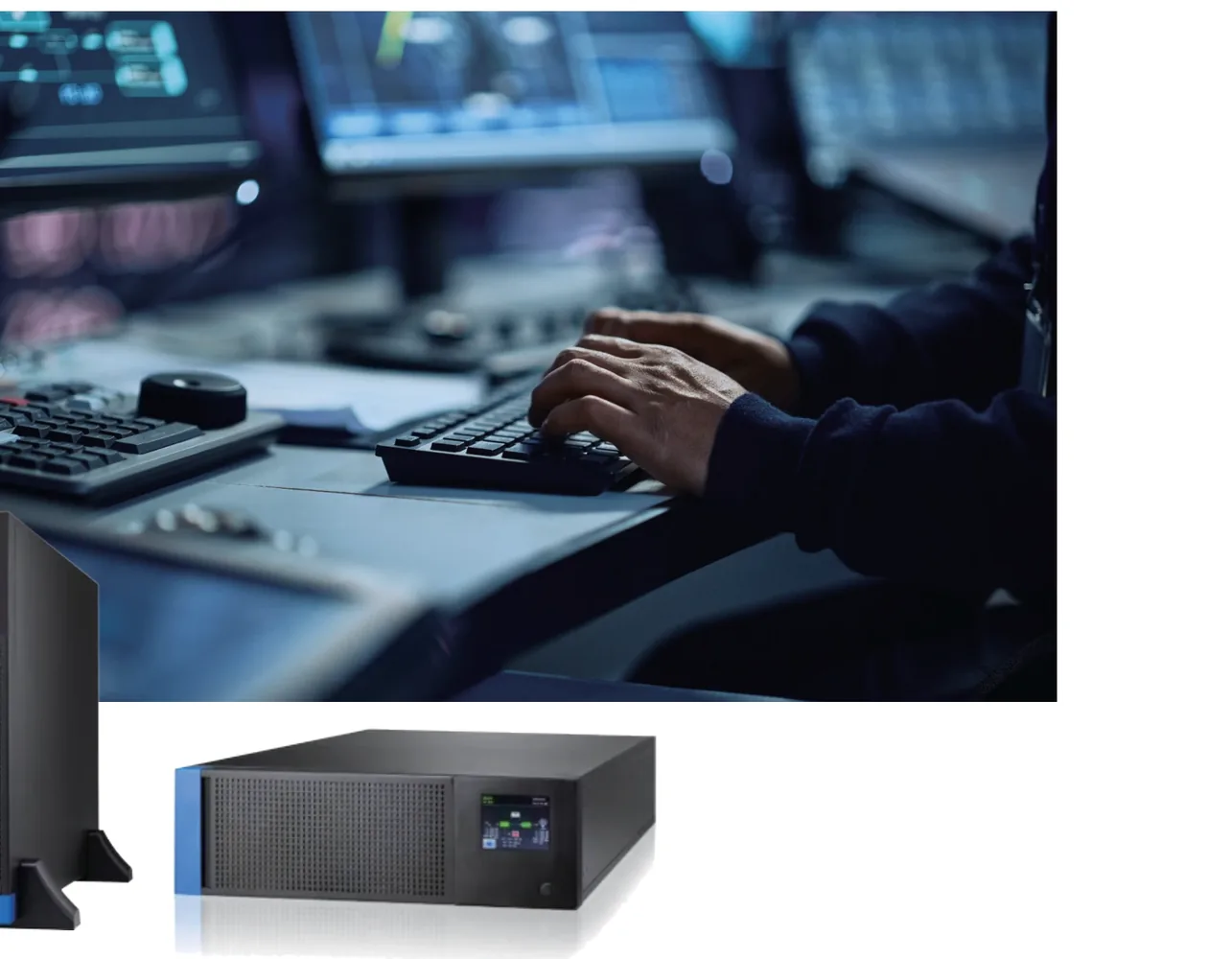
Security-room UPS sizing: NVR, PoE camera and access-control loads, battery runtime, rack layout, remote alerts and the test schedule that proves runtime.
How to use these guides
| If you are… | Start with | Outcome |
|---|---|---|
| Sizing a UPS | kW to kVA and runtime | Capacity range and battery target |
| Choosing topology | Online vs line-interactive | 0 ms or 4–6 ms decision |
| Stabilizing voltage | Servo vs contact AVR | Input window and accuracy |
| Planning battery | VRLA vs LiFePO4 | Chemistry and bank size |
| Industrial project | Crest factor and overload | Frame and starting method |
Project inputs to confirm
| Item | What to confirm | Why it matters |
|---|---|---|
| Load | Running kW, largest motor, load step | Sets kVA, overload and topology |
| Runtime | Minutes, generator availability, battery room | Sets battery bank and charger |
| Supply | Voltage, frequency, phase, input current | Sets model, breaker and cable |
| Site | Country, altitude, ambient temperature, dust | Sets derating, IP and documents |
| Battery | VRLA, LiFePO4, footprint, weight limit | Sets chemistry and room layout |
| Documentation | Conformity route, test report, language | Sets document package and lead time |
Tell us the kW, the backup time, the phase, and the site country. You will get a capacity recommendation, a battery configuration, and the model sheet.
Send the load list, backup time, and site conditions. We will return a capacity recommendation, battery configuration, and commercial offer.