A cold room is a motor load with a thermal deadline. If the power fails, the compressors stop, the temperature rises, and the product has a limited time before it is at risk. The UPS decision is not “how big is the compressor” but “which loads must stay alive, and for how long.”
This guide separates the control load from the compressor load, explains the starting-current problem, and gives practical configurations for small, medium and large cold stores.
What should the UPS actually carry?
List the loads in two columns before sizing anything.
| Load | On UPS? | Reason |
|---|---|---|
| Controller, sensors, data logger | Yes | Loss of control can spoil the product even when power returns |
| Alarm, dialler, remote monitoring | Yes | The failure must be visible |
| Door controls and safety interlocks | Yes | Access and safety |
| Emergency lighting | Yes | Safe evacuation and inspection |
| Compressor bank | Usually no | High starting current; generator is a better source |
| Condenser fans and pumps | Case by case | Motor loads; check starting current |
| Evaporator fans | Case by case | Small motors, but many of them |
| Electric defrost heaters | No | High resistive load, not a backup priority |
For most cold stores, the UPS protects the control and monitoring layer, and the generator protects the compressors. If there is no generator, the UPS must either carry the compressor load or the site accepts a controlled shutdown.
Why does compressor starting current change the UPS size?
A 15 kW compressor may draw 15 kW running, but 75–105 kW for a few seconds at direct-on-line start. A UPS sized at 20 kVA will see that as an overload and transfer to bypass or trip. There are three ways to solve it:
- Soft starter: reduces the starting current to about 2–3 times rated. Confirm the soft starter is compatible with the UPS output waveform.
- Variable-frequency drive (VFD): ramps the motor and limits the starting current. The VFD also produces harmonics that the UPS must tolerate.
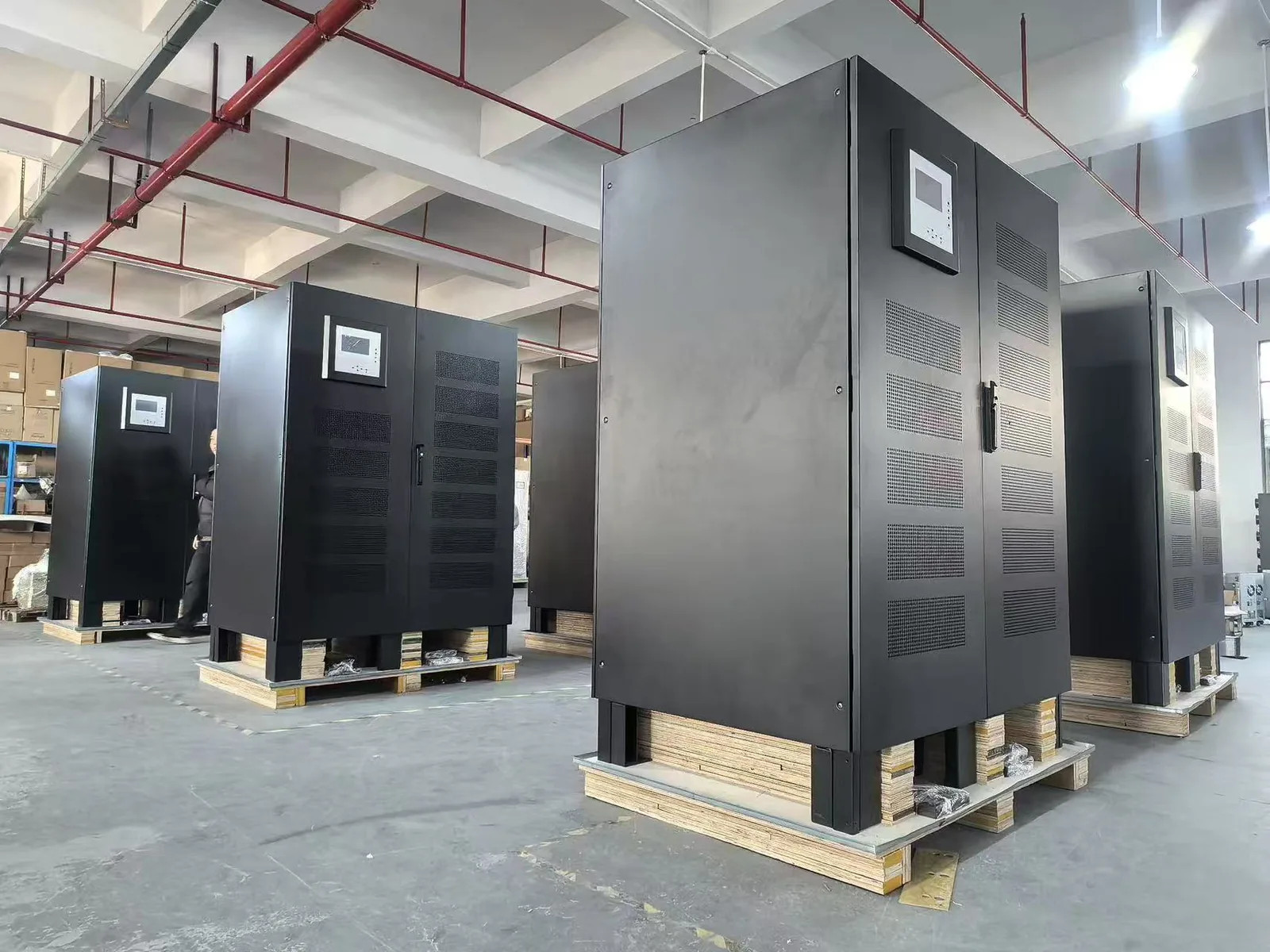
- Industrial UPS with high overload: rated for 150% for 1 minute and 125% for 10 minutes, with a 3:1 crest factor. This is the usual choice for a compressor that must ride through short outages.
Do not size the UPS from the running kW alone. Ask the compressor supplier for the starting current, the starting method and the allowable voltage dip.
How long should the battery last?
The runtime target comes from the thermal model, not from a generic “one hour”. A small chiller room may hold temperature for 30–60 minutes; a large freezer may hold it for several hours if the doors stay closed. The cold-store designer should state the allowable rise and the time to reach it.
A practical approach:
- Controls and monitoring: 30–60 minutes, enough to log the event, alarm, and shut down safely.
- Door and safety systems: 30 minutes minimum.
- Compressors on battery: only if the thermal model requires it; otherwise use a generator.
- Battery room: keep the battery above 0 °C and below 30 °C where possible.
For a 3 kW control load with 60 minutes at a 192 VDC bus, 0.85 inverter efficiency and 0.6 depth of discharge, the estimate is about 18 Ah. A 24–40 Ah bank covers it with margin. For a 10 kW load and 2 hours, the estimate rises to about 118 Ah; the battery room and the charger become the constraint.
What are typical cold-store configurations?
| Site | Critical load | UPS | Runtime | Compressor source |
|---|---|---|---|---|
| Small cold room, 20–50 m³ | 1–2 kW controls | 2–3 kVA online | 30–60 min | Generator or mains |
| Medium cold store, 100–500 m³ | 3–8 kW controls | 5–10 kVA online | 60 min | Generator + 15 min ride-through |
| Large freezer, 1,000 m³+ | 8–20 kW controls | 10–20 kVA online | 60–120 min | Generator |
| Compressor on battery | 15–60 kW | Industrial UPS 30–80 kVA | 10–30 min | UPS + soft starter/VFD |
The table is a starting point. The final size depends on the measured load, the starting current, the ambient temperature and the battery room.
What about temperature and battery life?
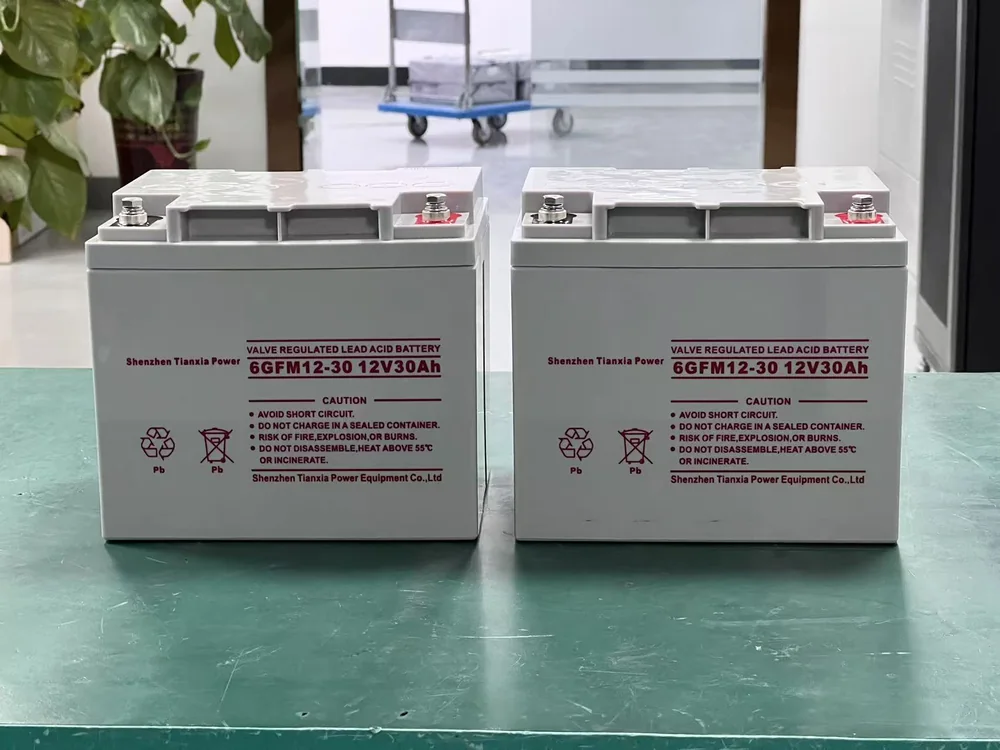
Both ends of the temperature range hurt. VRLA capacity falls at low temperature, and life falls quickly above 25 °C. A battery installed in the plant room may see 35 °C in summer and 5 °C in winter unless the room is conditioned.
LiFePO4 has a wider operating window and a longer cycle life, but it must not be charged below 0 °C without a BMS that manages the temperature. If the battery must sit in an unheated space, specify a heated battery cabinet or move the battery to a conditioned room.
How does the UPS coordinate with the generator?
The UPS must cover the generator start and stabilisation, typically 10–30 seconds. After the generator is stable, the UPS returns to mains and recharges the battery. The charger current must be sized so the battery recovers between outages; a 10 A charger cannot quickly recharge a 500 Ah bank.
If the compressor starts on the generator, the generator must be sized for the starting current as well. A generator sized only for the running load will stall when the compressor starts, and the UPS will see a second outage.
Which standards and documents apply?
The UPS is specified to IEC 62040-1/-2/-3. The battery follows IEC 60896-21/-22 for VRLA or IEC 62619 for lithium, with UN38.3 and MSDS for transport. The installation follows local electrical codes, and the cold-room design follows the refrigeration engineer’s thermal calculation.
Ask for the model datasheet, the battery configuration sheet, the starting-current compatibility statement and the test report. The cold-store designer should confirm the allowable temperature rise and the runtime target in writing.
Next step
Send the control load list, the compressor starting current and starting method, the room volume, the allowable temperature rise and the site ambient. We will return the UPS size, the battery configuration and the generator interface.
Start with the industrial UPS page, compare the three-phase range, or use the battery backup guide for long-runtime configurations.