
Line-Interactive UPS
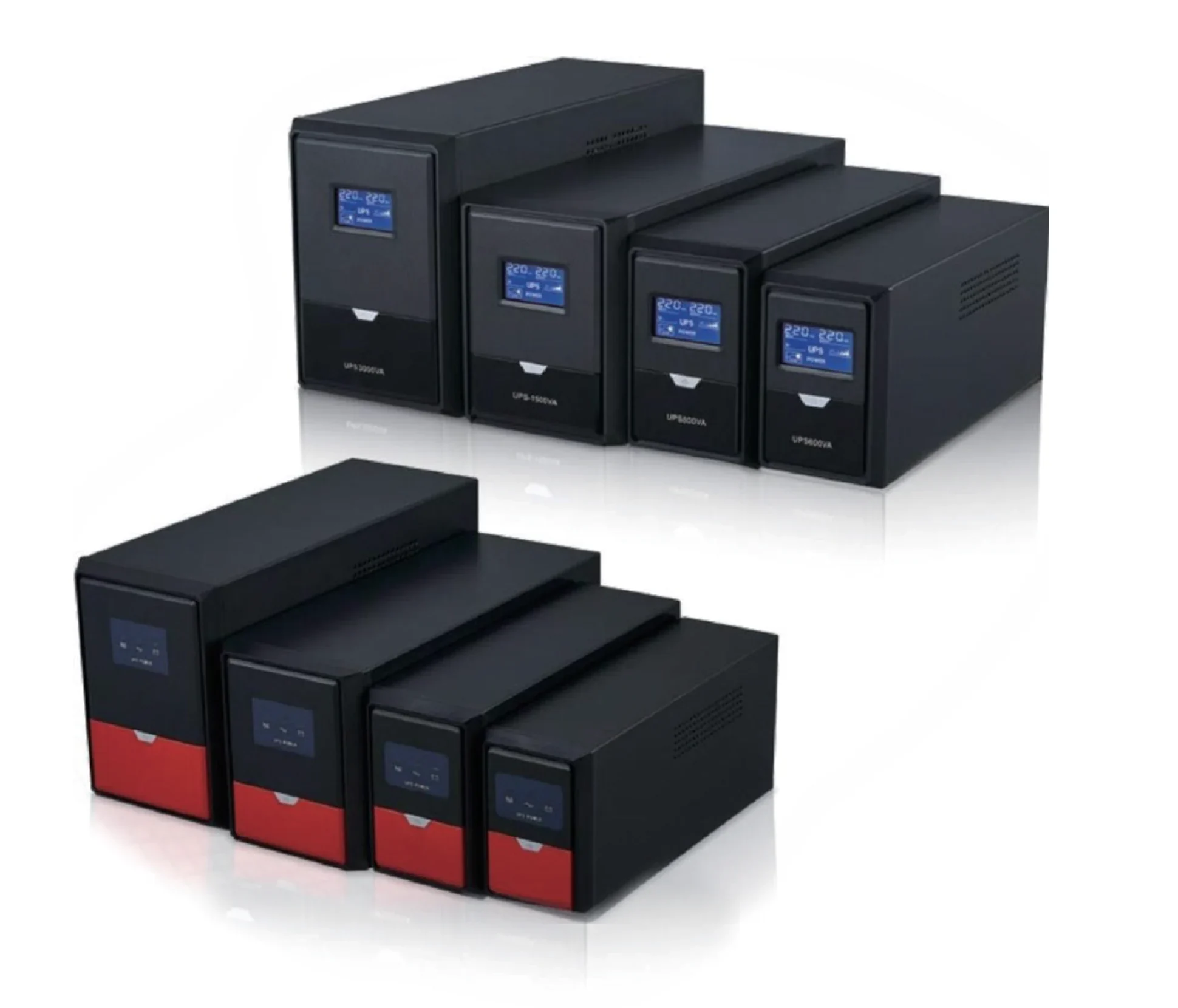
Compact, AVR-corrected backup for POS, security, and office loads.
- 500 VA – 5 kVA
- 4–6 ms transfer
- AVR buck-boost
Rated capacity
500 VA – 5,000 VA
Real power
300 W – 3,000 W
Transfer time
4–6 ms
Rated range
500 VA – 5 kVA
- Rated capacity
- 500 VA – 5,000 VA
- Real power
- 300 W – 3,000 W
- Transfer time
- 4–6 ms
- Battery
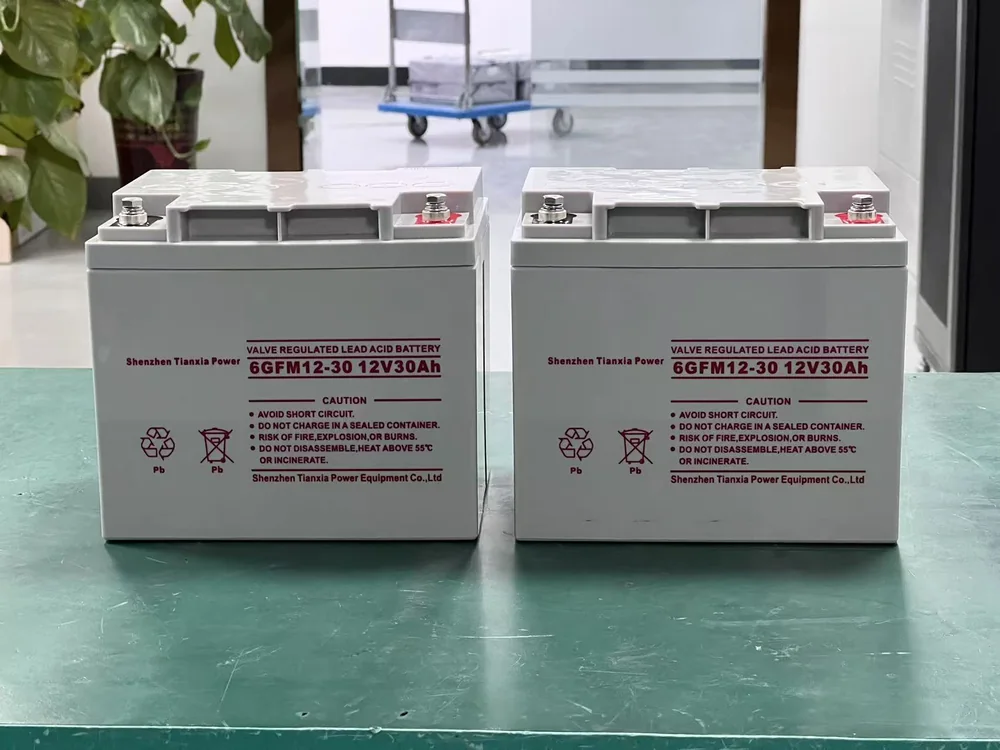
- 12 V 4.5–9 Ah internal (MT); external on other series
- Output waveform
- Simulated sine wave (battery mode)
- Communication
- USB / RS-232; optional SNMP
A line-interactive UPS from 500 VA to 5 kVA with a 4–6 ms transfer and a buck-boost AVR stage that corrects moderate mains drift before the battery is used. It is the right choice for PCs, POS terminals, CCTV recorders and network switches, and the wrong one for motors, compressors and sensitive medical analysers, which need a sine output and surge capacity.
What this platform is built to do.
The MT series is a line-interactive UPS for small and medium loads that need a few minutes of ride-through and a clean shutdown, not a full double-conversion plant. An automatic voltage regulation stage buck-boosts the mains before it reaches the load, so the battery is reserved for outages rather than everyday voltage sag.
Typical loads are point-of-sale terminals, access control and CCTV recorders, branch-office PCs, network switches, and laboratory instruments. The transfer time is 4–6 ms, which is fast enough for switch-mode power supplies and most commercial electronics. Output in battery mode is a simulated sine wave, so the family is not the right choice for motors, compressors, or sensitive medical analyzers.
Models run from 500 VA to 5,000 VA across the MT, HI11, AP, and AK series, with internal or external batteries and 8-hour recharge to 90% on the MT series. LCD models show input and output voltage, load level, battery capacity, and fault status. USB or RS-232 is available for shutdown software, with an optional SNMP card for network management.
AVR before backup
Buck-boost regulation corrects brownouts and overvoltage before the inverter is needed.
Cold start
Starts from battery when the mains is absent, useful during commissioning and recovery.
Compact footprint
Desktop and tower formats from 90 mm wide, with internal batteries and no external cabinet.
Shutdown support
USB or RS-232 monitoring with optional SNMP for unattended sites.
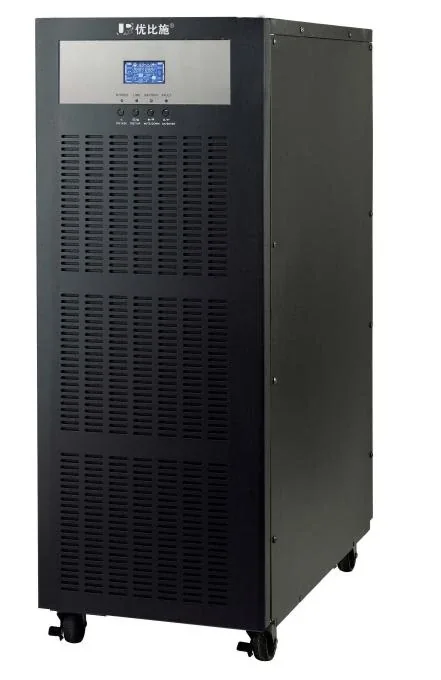
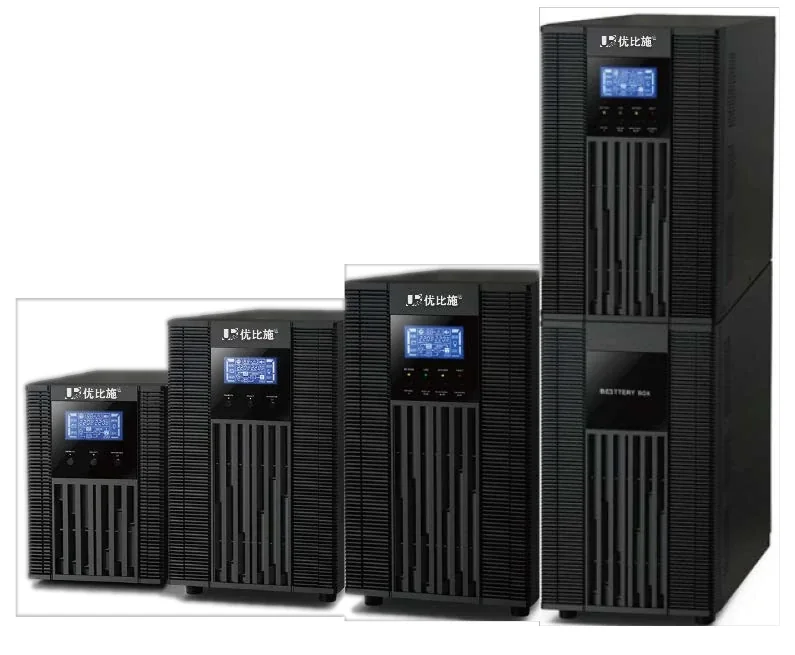
MT / HI11 / AP / AK · 500 VA – 5 kVA
Selected models and nominal values. The quotation confirms the exact configuration, battery, and documentation for the project.
Request a model sheetMT series models and nominal specifications
| Model | Capacity | Real power | Battery | Dimensions (mm) | Net weight |
|---|---|---|---|---|---|
| MT-500 | 500 VA | 300 W | 12 V 4.5 Ah × 1 | 280 × 90 × 140 | 4.0 kg |
| MT-650 | 650 VA | 390 W | 12 V 7 Ah × 1 | 320 × 90 × 140 | 5.2 kg |
| MT-800 | 800 VA | 480 W | 12 V 9 Ah × 1 | 330 × 100 × 150 | 5.7 kg |
| MT-1000 | 1,000 VA | 600 W | 12 V 7 Ah × 2 | 365 × 140 × 165 | 10 kg |
| MT-1500 | 1,500 VA | 900 W | 12 V 9 Ah × 2 | 365 × 140 × 165 | 11.9 kg |
| MT-2000 | 2,000 VA | 1,200 W | 12 V 9 Ah × 2 | 365 × 140 × 165 | 12.6 kg |
| MT-2000B | 2,000 VA | 1,200 W | 12 V 7 Ah × 4 | 395 × 145 × 210 | 17 kg |
| MT-3000 | 3,000 VA | 1,800 W | 12 V 9 Ah × 4 | 395 × 145 × 210 | 21 kg |
| HI11-600VA | 600 VA | Series-dependent | 12 V internal | Series-dependent | Series-dependent |
| HI11-1200VA | 1,200 VA | Series-dependent | 12 V internal | Series-dependent | Series-dependent |
| HI11-2KVA | 2,000 VA | Series-dependent | 24 V internal | Series-dependent | Series-dependent |
| HI11-3KVA | 3,000 VA | Series-dependent | 24 V internal | Series-dependent | Series-dependent |
| HI11-4KVA | 4,000 VA | Series-dependent | 48 V internal | Series-dependent | Series-dependent |
| HI11-5KVA | 5,000 VA | Series-dependent | 48 V internal | Series-dependent | Series-dependent |
| AP1000VA | 1,000 VA | Series-dependent | 24 V external | Series-dependent | Series-dependent |
| AP2000VA | 2,000 VA | Series-dependent | 48 V external | Series-dependent | Series-dependent |
| AP3000VA | 3,000 VA | Series-dependent | 48 V external | Series-dependent | Series-dependent |
| AK500VA | 500 VA | Series-dependent | 12 V internal | Series-dependent | Series-dependent |
| AK650VA | 650 VA | Series-dependent | 12 V internal | Series-dependent | Series-dependent |
| AK800VA | 800 VA | Series-dependent | 12 V internal | Series-dependent | Series-dependent |
| AK1000VA | 1,000 VA | Series-dependent | 12 V internal | Series-dependent | Series-dependent |
| AK1500VA | 1,500 VA | Series-dependent | 24 V internal | Series-dependent | Series-dependent |
| AK2000VA | 2,000 VA | Series-dependent | 24 V internal | Series-dependent | Series-dependent |
| AK3000VA | 3,000 VA | Series-dependent | 24 V internal | Series-dependent | Series-dependent |
Input
- Voltage
- 110/120 VAC or 220/230/240 VAC
- Voltage range
- 81–145 VAC or 145–275 VAC
- Frequency
- 50/60 Hz auto-sensing
- Input connection
- IEC or local plug, model-dependent
Output
- Voltage
- 110/120 VAC or 220/230/240 VAC
- Voltage regulation (mains)
- ±10%
- Frequency (battery)
- 50/60 Hz ±1 Hz
- Transfer time
- 4–6 ms
- Waveform (battery)
- Simulated sine wave
- Overload protection
- Deep discharge, short circuit, overload
Battery and recharge
- Battery type
- 12 V sealed lead-acid, internal
- Battery quantity
- 1–4 blocks by model
- Recharge
- 8 hours to 90% capacity
- Backup time
- 3–8 minutes at full load, model-dependent
Monitoring and environment
- Display
- LCD: mains/battery mode, load, battery, input/output voltage
- Interface
- USB or RS-232; optional SNMP
- Operating temperature
- 0–40 °C
- Humidity
- 0–90% non-condensing
- Noise
- < 40 dB
Key specifications
| Parameter | Value |
|---|---|
| Rated capacity | 500 VA – 5,000 VA |
| Real power | 300 W – 3,000 W |
| Transfer time | 4–6 ms |
| Battery | 12 V 4.5–9 Ah internal (MT); external on other series |
| Output waveform | Simulated sine wave (battery mode) |
| Communication | USB / RS-232; optional SNMP |
Selection notes for this family
| Question | What to check | Why |
|---|---|---|
| Load profile | Running kW and largest step for 500 VA – 5 kVA | Avoid overload and oversizing |
| Runtime | Battery bank and charger for the target minutes | Actual autonomy |
| Environment | Temperature, altitude, dust and ventilation | Life and derating |
| Interface | Monitoring, bypass, parallel requirement | Integration with the room |
| Documentation | Conformity route and model test report | Customs and tender |
Where this family fits.
These are the load types the platform is specified for. If your load is outside this list, send the load profile before selecting the model.
- POS and retail branches
- CCTV and access control
- Branch-office IT
- Network switches and routers
- Laboratory instruments
Line-interactive: project questions.
Project-specific answers. If your question is not here, send the load list and the site conditions.
Talk to an engineer Can a line-interactive UPS run a fridge or a water pump?
No. Motor loads draw a high starting current and need a true sine wave. Use a double-conversion online UPS or an industrial-frequency model sized for the starting current.
What is the difference between line-interactive and online UPS?
A line-interactive UPS conditions the mains with an AVR stage and switches to battery in 4–6 ms. An online UPS runs the load through a double conversion continuously, with 0 ms transfer and a pure sine wave output.
How long will the internal battery last?
The standard models provide about 3–8 minutes at full load. For 30 minutes or more, choose an external-battery online model and size the battery bank with the runtime formula.
Does it work with a generator?
It can accept generator input within its voltage and frequency window, but generator frequency and waveform stability should be checked. For continuous generator operation, an online UPS with a wide input range is more forgiving.
Can I monitor it remotely?
Yes. USB or RS-232 is standard on the monitoring versions, and an optional SNMP card provides network management and alerts.
Send the load list. We will return the configuration.
Tell us the kW, the backup time, the phase, and the site country. You will get a capacity recommendation, a battery configuration, and the model sheet.
- Capacity and topology recommendation
- Battery bank and runtime estimate
- Model sheet and commercial offer
Request a configuration and quotation
Send the load list, backup time, and site conditions. We will return a capacity recommendation, battery configuration, and commercial offer.