Skip to content
Solutions

Power architecture by application.

Start from the load and the site, not from a catalogue number. Each application page maps the load profile to a UPS, stabilizer, and battery configuration.

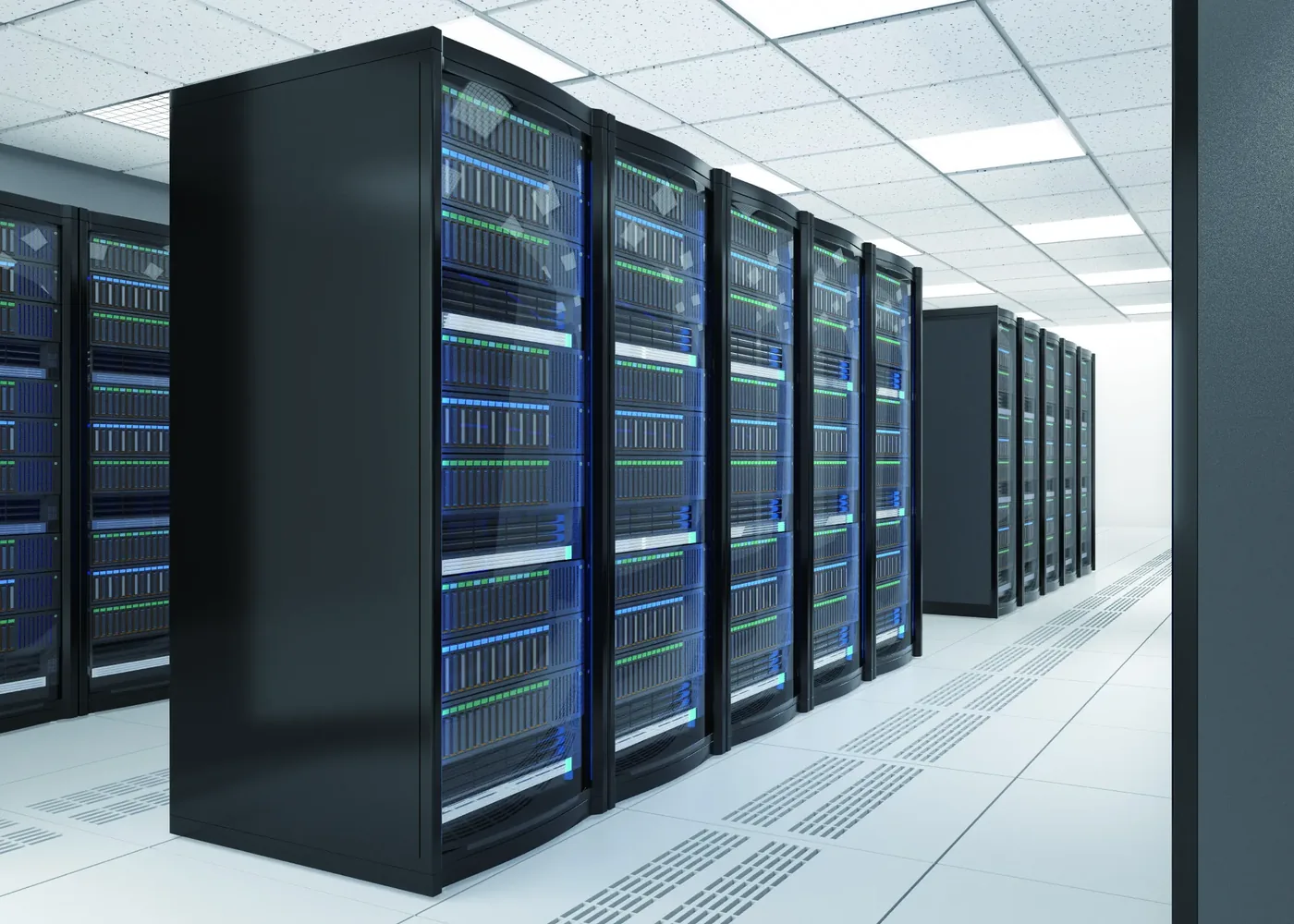
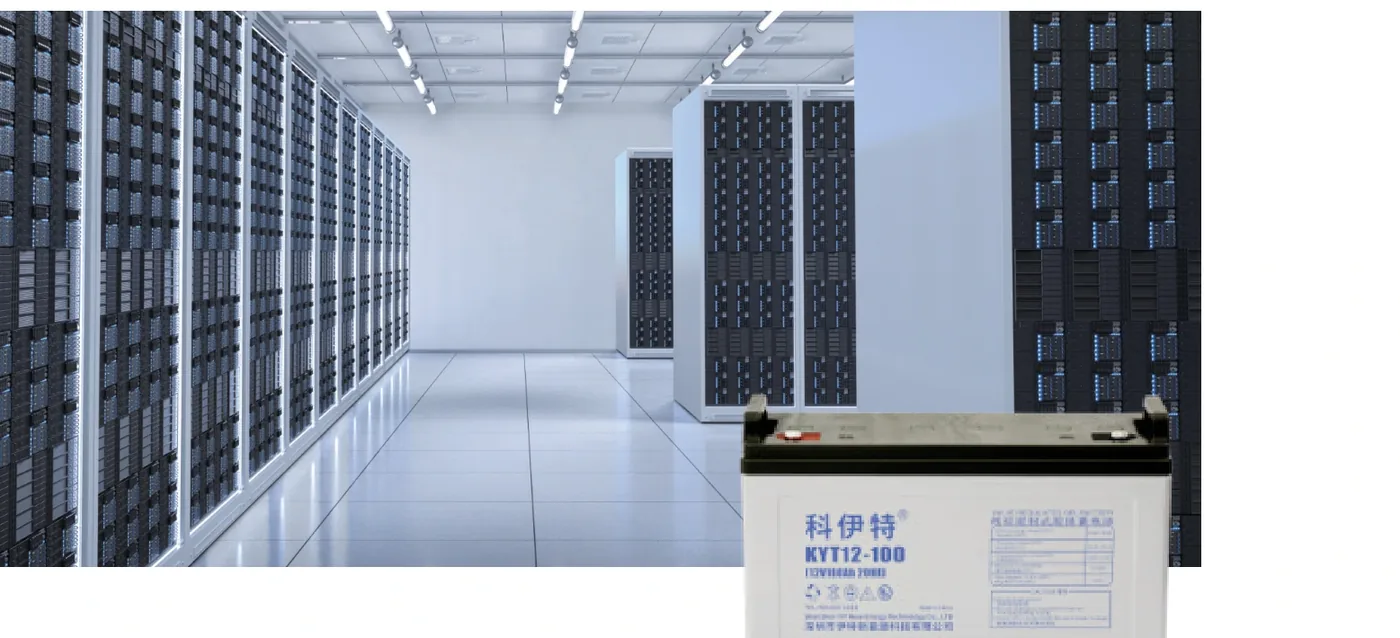
Data center aisle with server racks
Application profiles
7
Critical transfer
0 ms
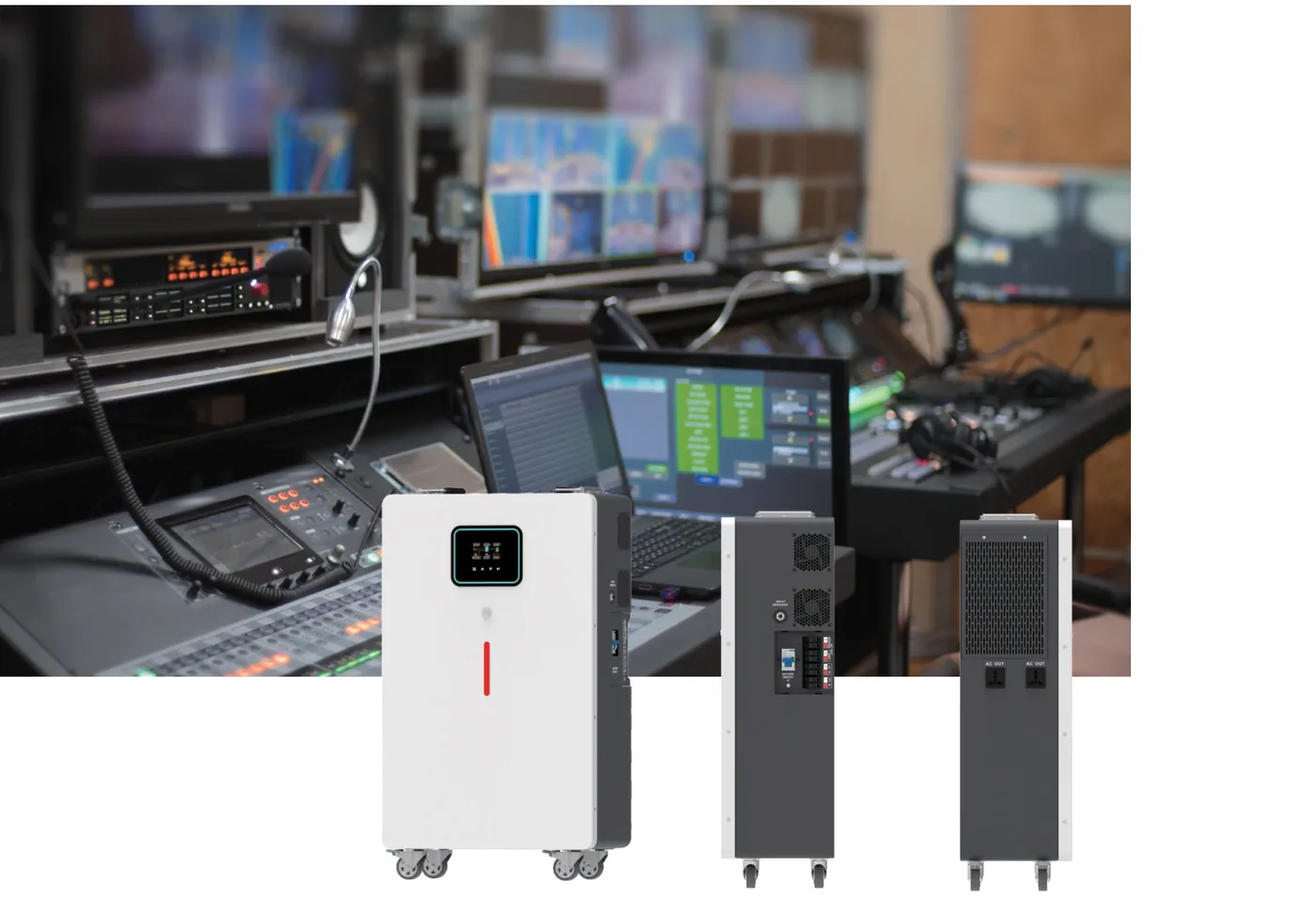
Security runtime
4–8 h
Project test support
FAT / SAT
Method

What three decisions come before the model number?

01

Load

kW, largest step, motor starting, and the load profile.

02

Runtime

Generator start, outage duration, and the battery room.

03

Environment

Temperature, dust, altitude, phase balance, and documentation.

Building types

How do the six building types differ in their backup boundaries?

The same “UPS question” has different answers in a hospital, a bank branch, a hotel, a school, a telecom site and a factory. Fix the load priority and the runtime first; the model comes later.

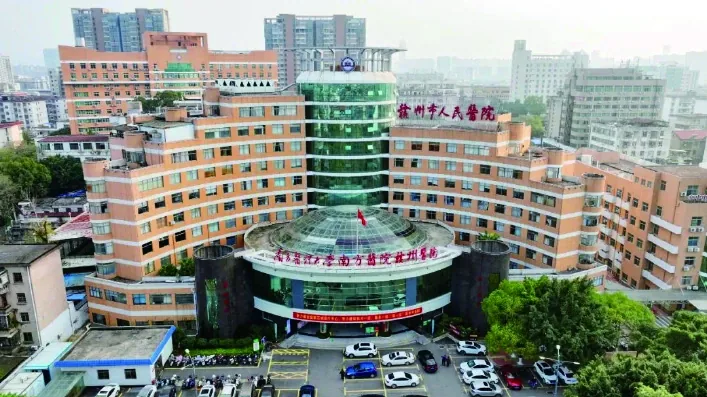
Hospital campus building with emergency and outpatient wings Medical IT

Hospitals & clinics

ICU, operating theatres, imaging, HIS, lifts and fire systems do not belong on one “hospital UPS”. Separate the medical IT load from the building load, and size the generator for the chillers, not only for the servers.

  • Medical IT (isolated) for operating theatres
  • Separate UPS for imaging and HIS
  • Generator + AVR for chillers and lifts
150–400 kVA total; 60–120 kVA critical 30 min UPS; generator 10–15 s
View configuration
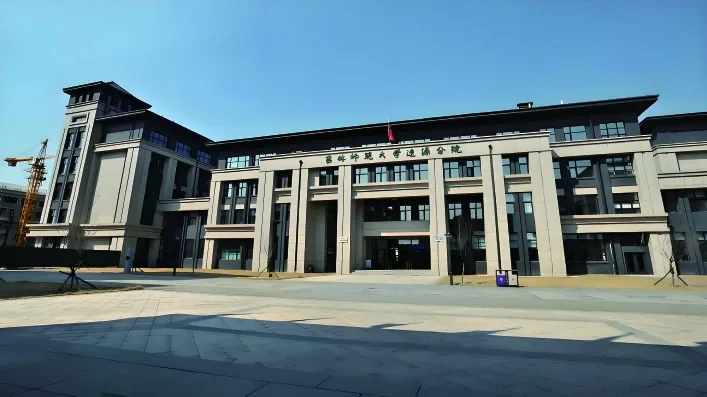
Bank branch building with a columned entrance ATM

Bank branches

A branch has two different backup targets: the teller and network load needs 30 minutes to close the day’s transactions, while the CCTV and access control need 4 hours. Split them, and keep the ATM on its own circuit.

  • ATM and teller network on separate circuits
  • 4-hour CCTV and access-control runtime
  • Generator interface for the branch
8–20 kVA per branch 30 min IT; 4 h security
View configuration
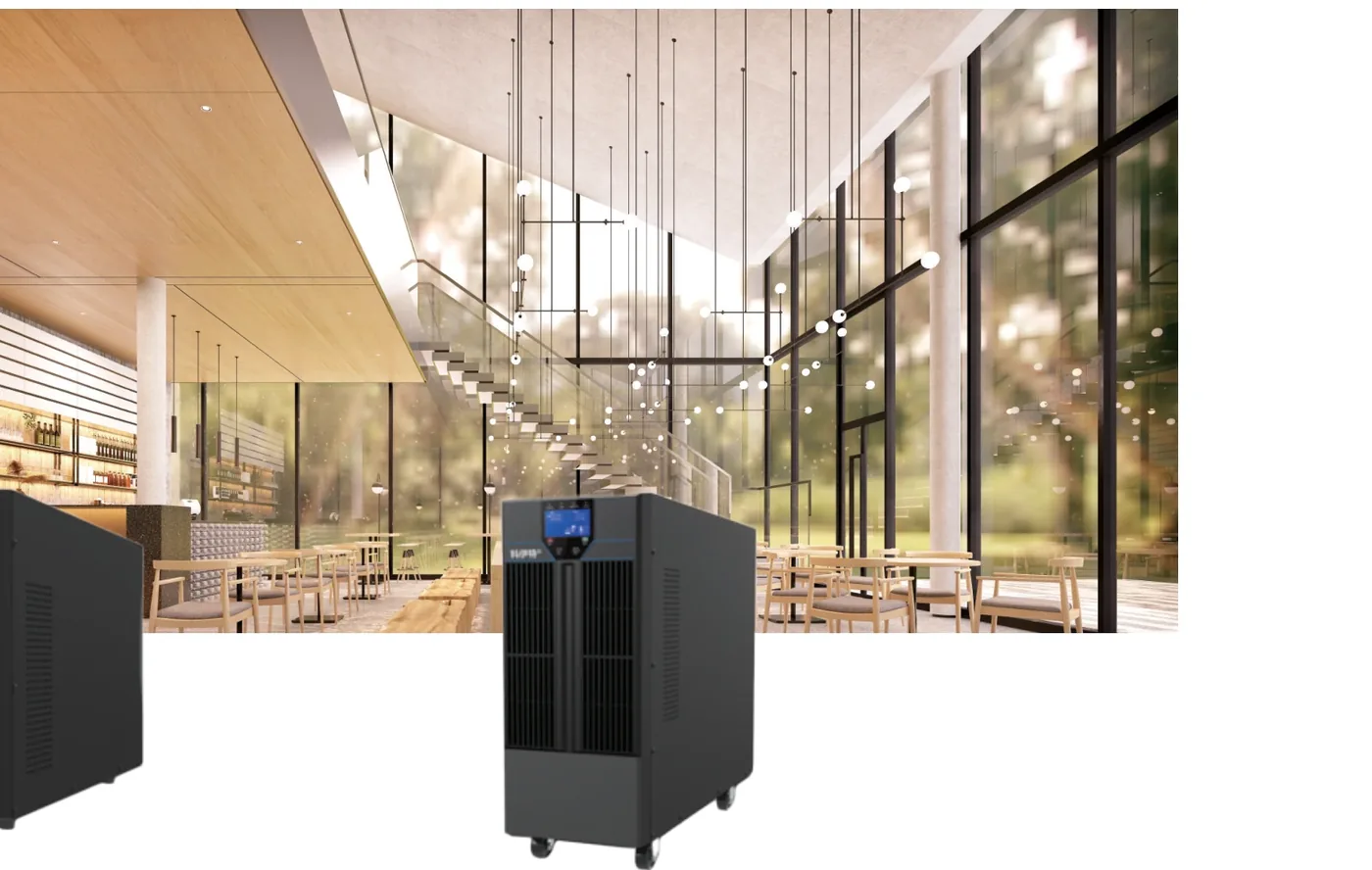
Hotel lobby with a commercial power installation PMS

Hotels & hospitality

A hotel needs to keep check-in, payment, security, lifts and BMS alive; it does not need to run the chillers and the kitchen on a UPS. Put the AVR at the incoming supply and keep the critical-electronics UPS separate.

  • PMS, payment and IT on the main UPS
  • Security room on its own 4–8 hour UPS
  • Lift controller backup, not the motor
40–100 kVA critical 30 min critical; 4–8 h security
View configuration
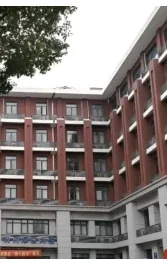
School campus building with a red brick facade Campus

Schools & campuses

A campus spreads its critical load across buildings: server room, exam rooms, labs, security, PA and network. A central AVR plus distributed rack UPS is usually more practical than one large UPS with long cable runs.

  • Exam rooms and server room on the central UPS
  • Rack UPS for each building’s network closet
  • Security and PA on a separate 2–4 hour UPS
20–60 kVA critical 30 min IT; 2–4 h security
View configuration
Telecom tower and equipment shelter at a base station 48 VDC

Telecom sites

Telecom sites are usually 48 VDC, unmanned and hot. The rectifier and battery carry the radio load; a small AC UPS covers the site’s AC loads. Runtime is set by the maintenance visit interval, not by the outage alone.

  • Rectifier and battery sized together
  • Temperature-compensated charging
  • Low-voltage disconnect and remote alarms
2–6 kW per site 4–8 h; 8–12 h remote
View configuration
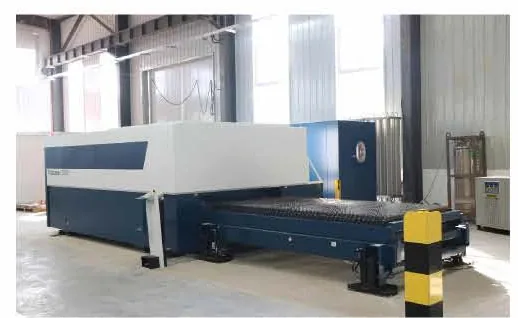
Factory workshop with electrical cabinets and production floor PLC

Factory workshops

A factory’s critical load is the control layer: PLC, DCS, CNC, robots, instrumentation and the line’s network. Motors, compressors and welders are generator and AVR loads. Mixing the two is how a UPS ends up oversized and underused.

  • 3:1 crest factor and 150% overload for starts
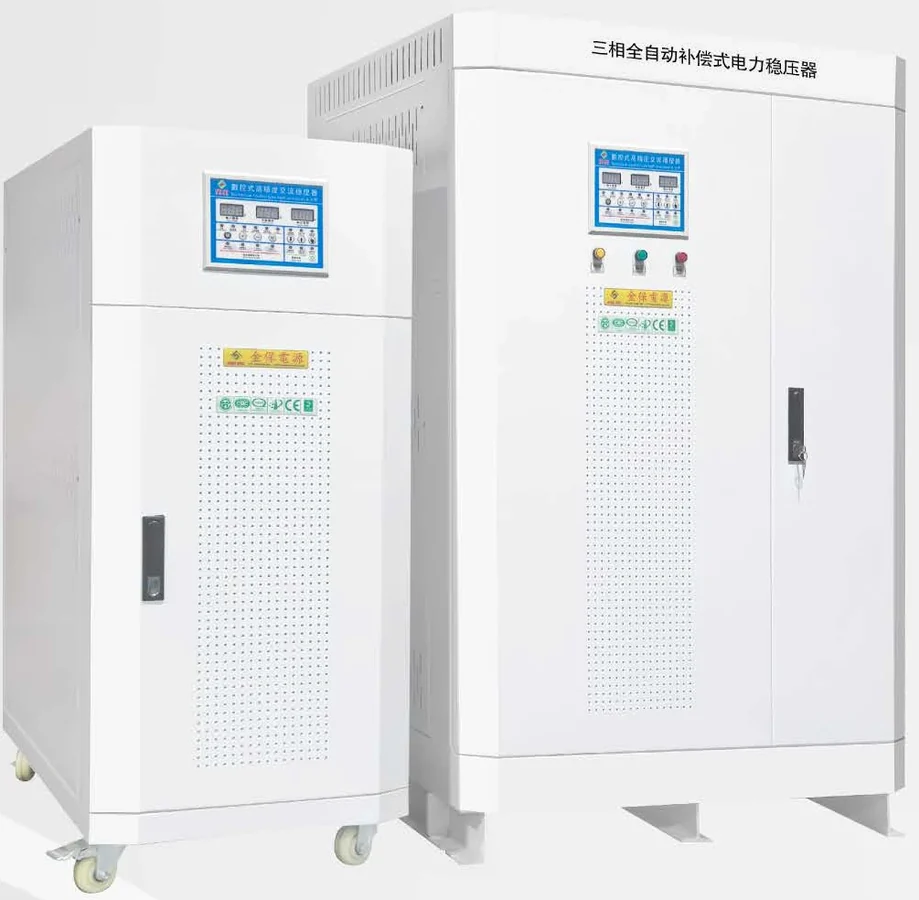
  • AVR at the incoming supply, before the drives
  • Maintenance bypass for uninterrupted production
100–800 kVA incoming; 30–200 kVA critical 15–30 min controls; generator for production
View configuration

These are typical industry profiles, not named customer projects. Site photos are illustrative; the final configuration follows the load list and site conditions.

Special applications

Which applications do not fit a standard IT UPS?

For lifts, cold stores, pump stations, small offices and fuel stations, the critical load is not the whole machine. It is the controls, communications, payment, CCTV and alarms. Leave motors and compressors to the generator; the UPS carries only what cannot stop.

Online UPS for elevator controller and communication backup Rescue

Elevator backup

Elevator backup is a rescue function, not a ride-through for the motor. Size the UPS for the controller, communication and brake release, and confirm the rescue sequence with the lift supplier.

  • Do not size the UPS for the motor
  • Confirm the brake-release sequence
  • Test with the lift maintenance team
3–10 kVA controller + communication 30–60 min rescue
View configuration
Industrial AVR for cold-store controls Controls

Cold storage

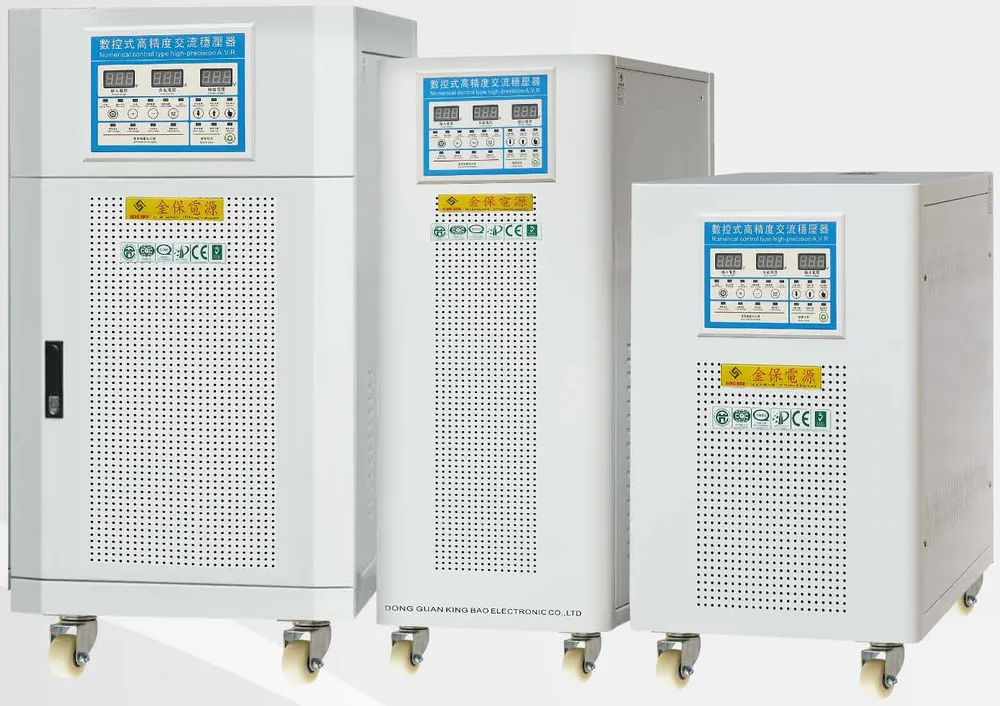
Do not put refrigeration compressors on a UPS. Protect the controls, monitoring and alarm with a small UPS, correct the voltage with an AVR, and use a generator for the compressors.

  • Compressors are generator loads, not UPS loads
  • Keep the temperature alarm alive
  • Log door openings and defrost cycles
2–5 kVA controls; compressors 30–200 kW 2–4 h controls
View configuration
VFD and AVR equipment for a pump station VFD

Water pumps & treatment

A pump station needs the controls, telemetry and valves on backup; the pump motor needs a generator, VFD or soft starter. A UPS sized for the motor is a costly mistake.

  • Motor starting is not a UPS load
  • Coordinate the VFD with the AVR
  • Keep telemetry and valve control alive
3–10 kVA controls; motor 15–200 kW 2 h controls
View configuration
Small office with desks, monitors and network equipment NAS

SOHO & small office

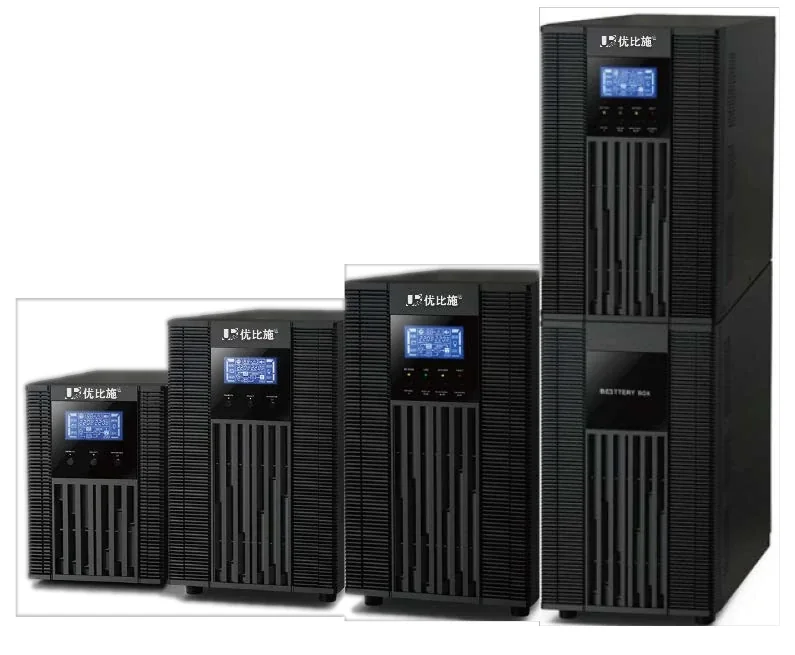
A small office needs 15–30 minutes to save files and shut down cleanly. Put the router, NAS, PC and POS on a 1–3 kVA UPS; leave the laser printer and the air conditioner off it.

  • NAS and router on the UPS
  • Laser printer and AC off the UPS
  • Cloud backup before shutdown
1–3 kVA 15–30 min; 1–2 h optional
View configuration
UPS cabinet for fuel station dispensers, POS and CCTV Dispenser

Gas stations

A gas station needs the dispensers, POS, CCTV, tank monitor and lighting to survive a short outage. Keep the UPS outside the hazardous area, protect the supply with an SPD, and coordinate the shutdown with the fire system.

  • Keep the UPS outside the hazardous area
  • Back up dispensers, POS, CCTV and tank monitor
  • Coordinate with the fire alarm and emergency stop
5–15 kVA 2–4 h
View configuration

These are typical industry configurations, not named customer projects. Loads and runtimes are starting points for a project-specific calculation; the final selection follows the load list, site conditions and manufacturer data.

Scenario quick reference

Load, runtime and architecture across 11 scenarios.

Load, runtime and architecture across 11 scenarios

ScenarioTypical loadRuntimeRecommended architecture
Hospital150–400 kVA total; 60–120 kVA critical30 min UPS; generator 10–15 s3-phase AVR + 100 kVA UPS + medical IT
Bank branch8–20 kVA per branch30 min IT; 4 h security10 kVA UPS + 30 kVA AVR + security UPS
Hotel40–100 kVA critical30 min critical; 4–8 h security60–100 kVA UPS + 200 kVA AVR
School20–60 kVA critical30 min IT; 2–4 h security30 kVA UPS + 100 kVA AVR + rack UPS
Telecom site2–6 kW per site4–8 h (8–12 h remote)48 VDC rectifier N+1 + battery
Factory100–800 kVA incoming; 30–200 kVA critical15–30 min controls200–2000 kVA AVR + 100–200 kVA industrial UPS
Elevator3–10 kVA controller30–60 min rescueDedicated elevator UPS or 48 V DC backup
Cold storage2–5 kVA controls; 30–200 kW compressors2–4 h controlsAVR + generator + small UPS
Water pump3–10 kVA controls; 15–200 kW motor2 h controlsAVR + VFD/soft starter + small UPS
SOHO1–3 kVA15–30 min1–3 kVA UPS + surge protector
Gas station5–15 kVA2–4 h10 kVA UPS in safe area + SPD
Reference

Application and project quick reference.

Application and power architecture

ApplicationCritical loadTypical architecture
Data centerIT racks, cooling controlsModular N+1 UPS + battery
Server roomServers, network, storage3–20 kVA online UPS
IndustrialPLC, DCS, drivesIndustrial UPS + 3-phase AVR
SecurityNVR, PoE cameras, access1–5 kVA UPS, 4–8 h battery
Telecom48 VDC radio, AC loadsRectifier + AC UPS
CommercialLifts, BMS, security3-phase AVR + UPS

Project inputs to confirm

ItemWhat to confirmWhy it matters
LoadRunning kW, largest motor, load stepSets kVA, overload and topology
RuntimeMinutes, generator availability, battery roomSets battery bank and charger
SupplyVoltage, frequency, phase, input currentSets model, breaker and cable
SiteCountry, altitude, ambient temperature, dustSets derating, IP and documents
BatteryVRLA, LiFePO4, footprint, weight limitSets chemistry and room layout
DocumentationConformity route, test report, languageSets document package and lead time
Next step

Send the load list. We will return the configuration.

Tell us the kW, the backup time, the phase, and the site country. You will get a capacity recommendation, a battery configuration, and the model sheet.

  • Capacity and topology recommendation
  • Battery bank and runtime estimate
  • Model sheet and commercial offer

Request a configuration and quotation

Send the load list, backup time, and site conditions. We will return a capacity recommendation, battery configuration, and commercial offer.

By submitting this form you agree to our privacy policy. Privacy policy

Published Last updated Specifications and certification are confirmed per project.