
Hybrid & Storage Inverter
Solar, grid, and battery in one cabinet.
- 1–6.2 kW
- MPPT + AC charger
- Pure sine wave
Power range
1.0–6.2 kW
Battery
12.8 / 25.6 / 51.2 V
MPPT
Built-in solar charger
Rated range
1–6.2 kW
- Power range
- 1.0–6.2 kW
- Battery
- 12.8 / 25.6 / 51.2 V
- MPPT
- Built-in solar charger
- Output
- Pure sine wave
- Transfer
- 10–20 ms, model-dependent
- Monitoring
- RS485 / CAN; WiFi optional
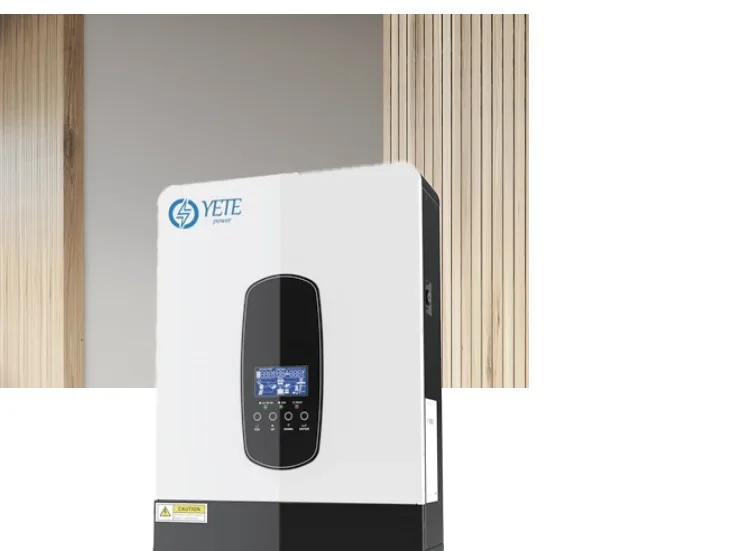
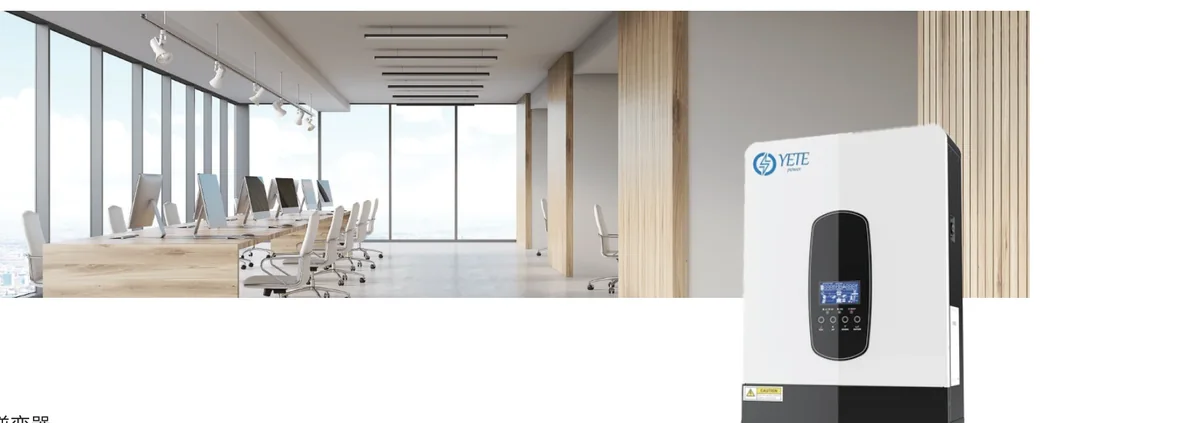
A hybrid storage inverter from 1 to 6.2 kW combining solar MPPT, battery storage and grid or generator input in one unit. It is the usual choice where solar is being added to a site that already runs on a generator.
What this platform is built to do.
The hybrid inverter range combines a pure sine wave inverter, an AC charger, and an MPPT solar charger. It is used where the site needs both solar self-consumption and battery backup, and where a UPS is not the right shape of product.
The ESSM series covers 1.0–6.2 kW with 12.8 V, 25.6 V, or 51.2 V battery options. The PV series covers 3–6 kW with 24/48 V batteries. The inverter can prioritize solar, grid, or battery, and the output is a pure sine wave for appliances and small motors.
A hybrid inverter is not an online UPS. Its transfer time is typically 10–20 ms, so sensitive IT loads may reset. Use an online UPS for servers and medical equipment; use the hybrid inverter for solar storage, homes, clinics, and small commercial sites.
Three sources
Solar, grid, and battery in one power path.
Pure sine output
Safe for appliances, pumps, and small motors.
Lithium ready
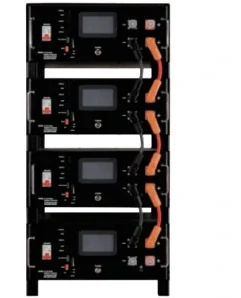
BMS communication for 12.8/25.6/51.2 V packs.
Backup + solar
Charge from PV and grid, discharge to the load.
ESSM / PV Series · 1–6.2 kW
Selected models and nominal values. The quotation confirms the exact configuration, battery, and documentation for the project.
Request a model sheetHybrid inverter models
| Model | Power | Battery | Type | Typical use |
|---|---|---|---|---|
| ESSM-1.0KW-100AH | 1.0 kW | 12.8 V 100 Ah | Hybrid | Small home / clinic |
| ESSM-1.5KW-100AH | 1.5 kW | 12.8 V 100 Ah | Hybrid | Home / shop |
| ESSM-4.2KW-100AH | 4.2 kW | 51.2 V 100 Ah | Hybrid | Home / office |
| ESSM-6.2KW-100AH | 6.2 kW | 51.2 V 100 Ah | Hybrid | Commercial |
| PV-3024D | 3 kW | 24 V | Hybrid | Home / telecom |
| PV-5048 | 5 kW | 48 V | Hybrid | Home / clinic |
| PV-6048 | 6 kW | 48 V | Hybrid | Commercial |
Electrical
- Power
- 1.0 / 1.5 / 4.2 / 6.2 kW (ESSM); 3 / 5 / 6 kW (PV)
- Battery voltage
- 12.8 / 25.6 / 51.2 V
- Output
- 230 VAC ±5%, pure sine wave
- MPPT
- Built-in, model-dependent PV range
- Transfer
- 10–20 ms
Control
- Monitoring
- RS485 / CAN; WiFi optional
- Parallel
- Selected models
- Protection
- Overload, over/under voltage, over-temperature
- Battery
- LiFePO4 or VRLA, with the correct profile
Key specifications
| Parameter | Value |
|---|---|
| Power range | 1.0–6.2 kW |
| Battery | 12.8 / 25.6 / 51.2 V |
| MPPT | Built-in solar charger |
| Output | Pure sine wave |
| Transfer | 10–20 ms, model-dependent |
| Monitoring | RS485 / CAN; WiFi optional |
Selection notes for this family
| Question | What to check | Why |
|---|---|---|
| Load profile | Running kW and largest step for 1–6.2 kW | Avoid overload and oversizing |
| Runtime | Battery bank and charger for the target minutes | Actual autonomy |
| Environment | Temperature, altitude, dust and ventilation | Life and derating |
| Interface | Monitoring, bypass, parallel requirement | Integration with the room |
| Documentation | Conformity route and model test report | Customs and tender |
Where this family fits.
These are the load types the platform is specified for. If your load is outside this list, send the load profile before selecting the model.
- Solar self-consumption
- Home backup
- Clinics
- Telecom cabinets
- Small commercial sites
Hybrid inverter: project questions.
Project-specific answers. If your question is not here, send the load list and the site conditions.
Talk to an engineer Is a hybrid inverter a UPS?
No. Its transfer time is 10–20 ms, so sensitive IT loads may reset. Use an online UPS for servers and medical equipment.
Can it work without solar?
Yes. It can charge from the grid and discharge to the load. The MPPT is bypassed when no PV is connected.
Which battery should I use?
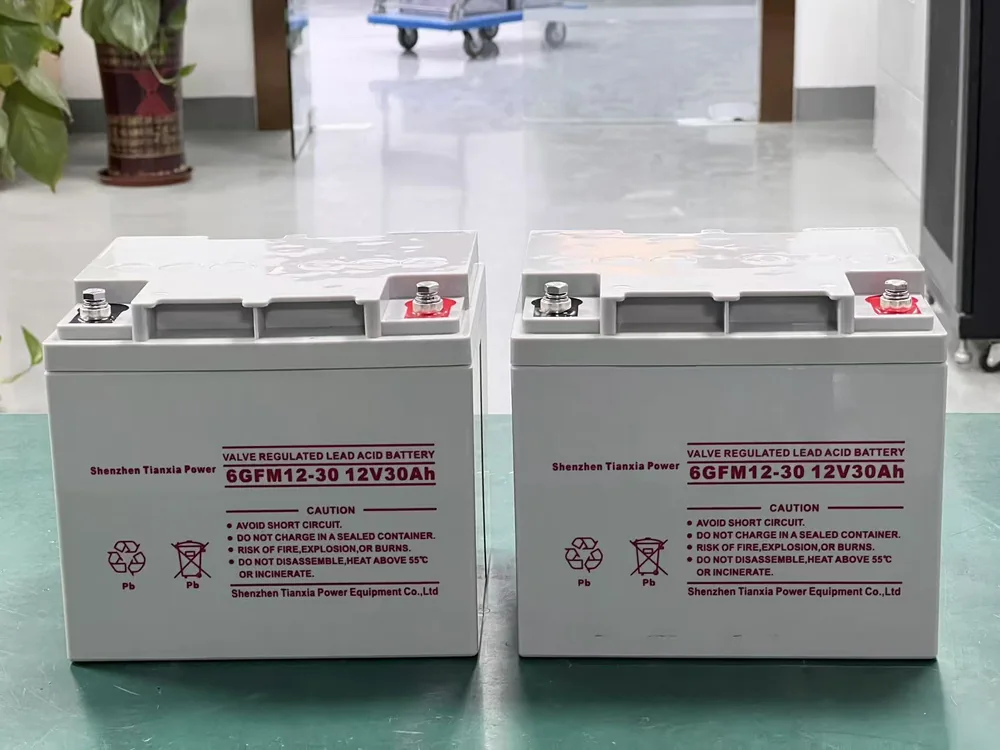
LiFePO4 is preferred for daily cycling; VRLA is acceptable for occasional backup. Confirm the charge profile and BMS compatibility.
Can it run a pump?
The surge rating covers many pumps, but the locked-rotor current must be checked. Use a soft starter or a larger inverter for a direct-on-line pump.
Does it export to the grid?
The ESSM/PV range is a backup/hybrid inverter, not a grid-tie inverter. Confirm the local utility rules before installing any grid-connected system.
Send the load list. We will return the configuration.
Tell us the kW, the backup time, the phase, and the site country. You will get a capacity recommendation, a battery configuration, and the model sheet.
- Capacity and topology recommendation
- Battery bank and runtime estimate
- Model sheet and commercial offer
Request a configuration and quotation
Send the load list, backup time, and site conditions. We will return a capacity recommendation, battery configuration, and commercial offer.