
VRLA Battery
Maintenance-free sealed lead-acid blocks for UPS and telecom backup.
- 12 V blocks
- 24–250 Ah
- Maintenance-free
Nominal voltage
12 V per block
Capacity range
24–250 Ah at 20-hour rate
Chemistry
Valve-regulated lead-acid
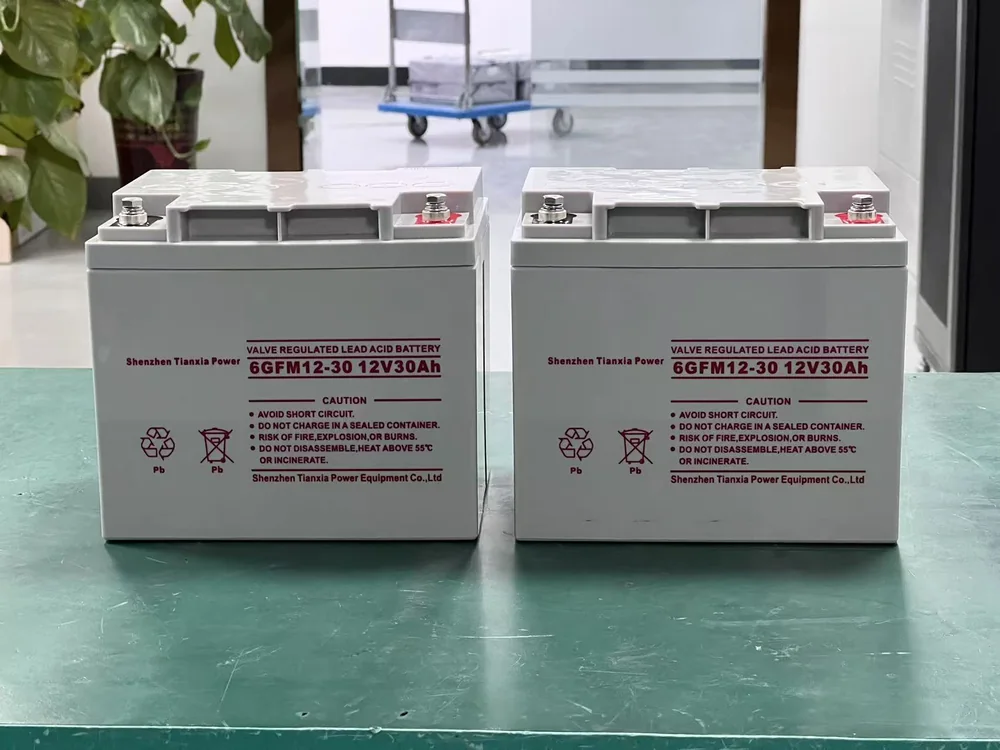
Rated range
24–250 Ah
- Nominal voltage
- 12 V per block
- Capacity range
- 24–250 Ah at 20-hour rate
- Chemistry
- Valve-regulated lead-acid
- Installation
- Series string, 24–384 VDC
- Ventilation
- Normal equipment-room ventilation
- Recycling
- Lead and plastic are recyclable
Maintenance-free VRLA blocks from 24 Ah to 250 Ah in 12 V units, series-connected into strings up to 384 VDC for UPS, telecom and solar backup. Sealed, no water topping, and the cheapest capacity per kilowatt-hour at the cost of a three-to-five-year service life.
What this platform is built to do.
VRLA (valve-regulated lead-acid) batteries are the default backup chemistry for UPS systems, telecom sites, and solar storage. The electrolyte is absorbed or gelled, so the battery does not need water topping. A pressure-relief valve controls gas release, and the block can be installed in an equipment room with normal ventilation.
The 12 V range covers 24–250 Ah, from small 24 Ah blocks for a branch-office UPS to 200–250 Ah blocks for a telecom or data-center string. Capacity is rated at a 20-hour rate; the actual runtime depends on the discharge rate, temperature, and end voltage. At high discharge rates, the available capacity falls, so the runtime calculation must use the manufacturer’s discharge curve rather than a simple Ah division.
VRLA blocks are connected in series to reach the UPS DC bus (24–384 VDC) and in parallel strings for capacity. A string of 32 blocks at 12 V gives 384 VDC; a 100 Ah string delivers 38.4 kWh at the nominal voltage, but only about 60% is usable without shortening life. Temperature is the biggest life factor: every 10 °C above 25 °C roughly halves design life.
No water topping
Sealed recombination design reduces maintenance to terminal checks and capacity tests.
Wide capacity range
24–250 Ah blocks cover branch UPS, telecom, and data-center strings.
Proven economics
Lower capital cost per kWh than lithium for short-duration backup.
Recyclable
Lead and plastic are recovered through established recycling channels.
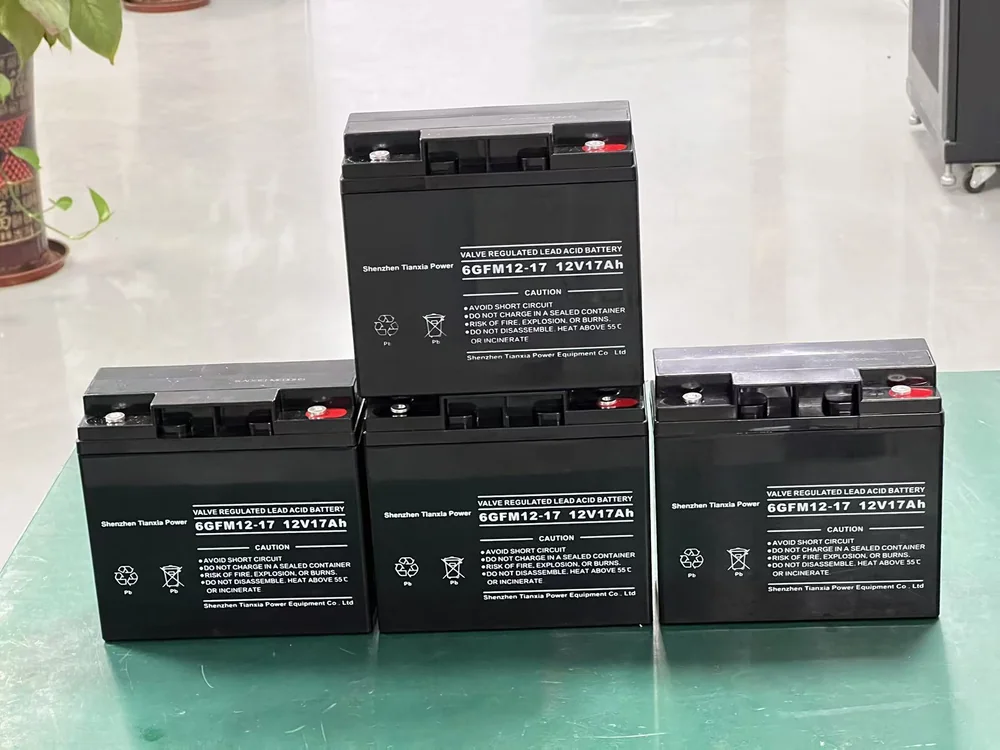
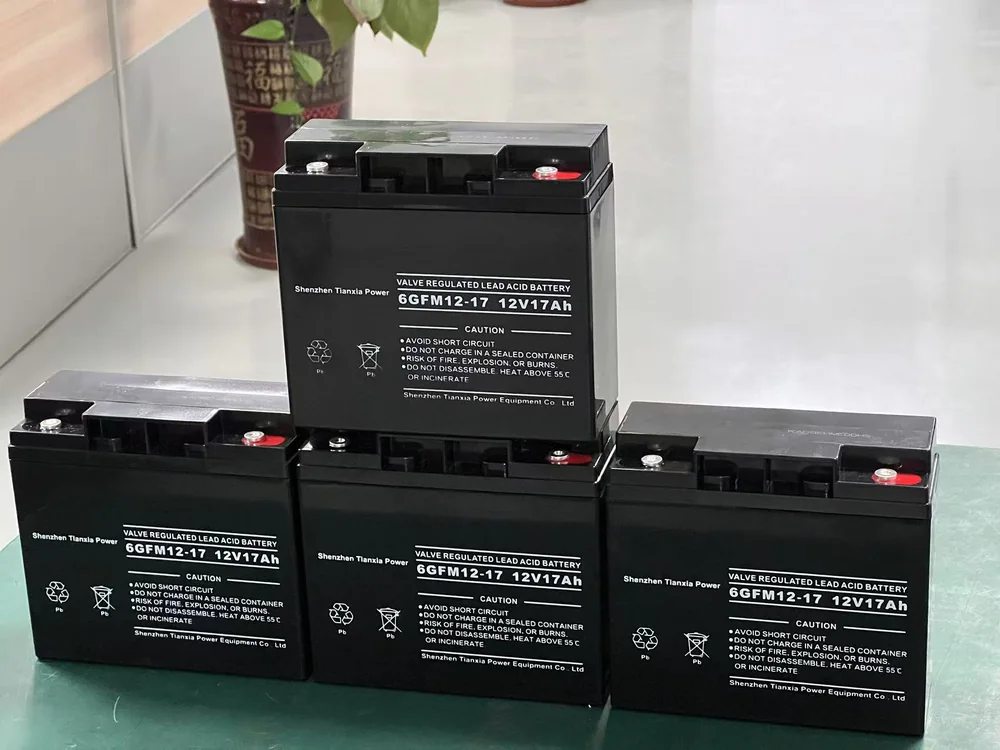
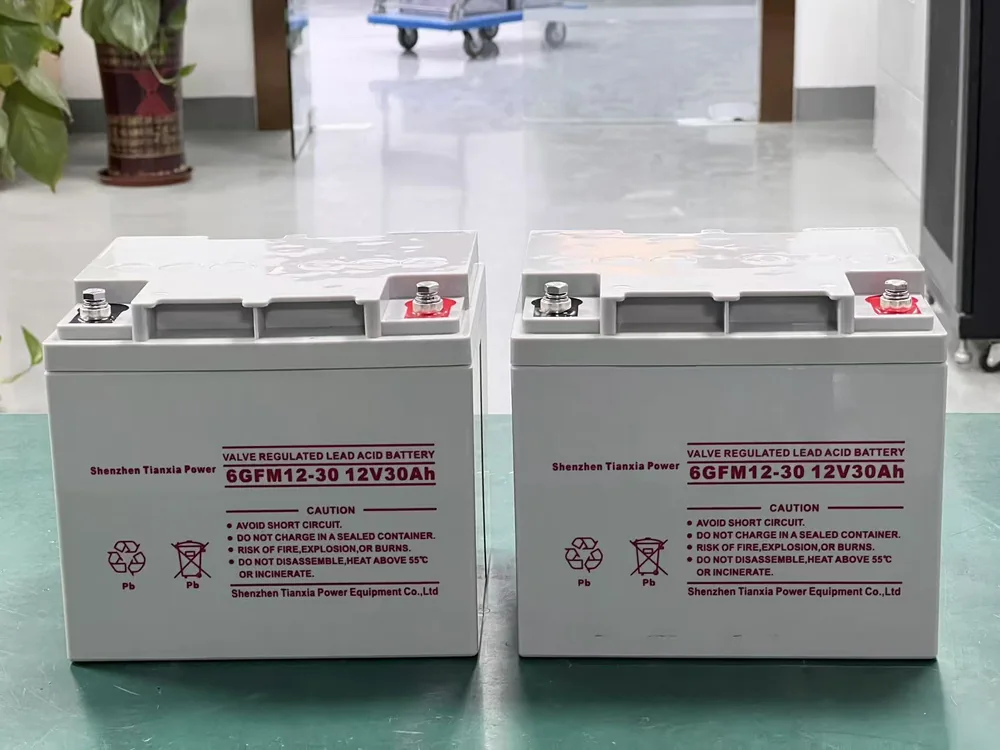
12 V blocks · 24–250 Ah
Selected models and nominal values. The quotation confirms the exact configuration, battery, and documentation for the project.
Request a model sheetKYT12 series VRLA 12 V blocks (selected models)
| Model | Voltage | Capacity | Weight | Dimensions (L × W × H) | Terminal |
|---|---|---|---|---|---|
| KYT12-24Ah | 12 V | 24 Ah | 7.5 kg | 166 × 126 × 174 mm | T14/T5 |
| KYT12-33Ah | 12 V | 33 Ah | 10 kg | 195 × 130 × 155 mm | T14/T6 |
| KYT12-50Ah | 12 V | 50 Ah | 16.2 kg | 230 × 138 × 211 mm | T14 |
| KYT12-65Ah | 12 V | 65 Ah | 20.4 kg | 350 × 166 × 179 mm | T14 |
| KYT12-100Ah | 12 V | 100 Ah | 29.5 kg | 330 × 171 × 214 mm | T16 |
| KYT12-120Ah | 12 V | 120 Ah | 34.8 kg | 409 × 176 × 225 mm | T16 |
| KYT12-150Ah | 12 V | 150 Ah | 41.8 kg | 485 × 172 × 240 mm | T16 |
| KYT12-200Ah | 12 V | 200 Ah | 59.5 kg | 522 × 238 × 218 mm | T16 |
| KYT12-250Ah | 12 V | 250 Ah | 71.5 kg | 521 × 269 × 220 mm | T16 |
Electrical
- Nominal voltage
- 12 V
- Capacity range
- 24 / 33 / 50 / 65 / 100 / 120 / 150 / 200 / 250 Ah
- Design
- Valve-regulated, maintenance-free
- Float voltage
- 13.5–13.8 V per block at 25 °C
- Cycle use
- 14.4–14.7 V per block, temperature-compensated
- Terminal
- T14 / T16 / M8, by model
Mechanical and environment
- Operating temperature
- −15 to 50 °C (capacity and life derate above 25 °C)
- Storage
- Charge every 3–6 months; do not store discharged
- Installation
- Indoor, ventilated, away from ignition sources
- Orientation
- Upright; confirm model for alternative orientation
- Life
- Model- and temperature-dependent; confirm datasheet
Key specifications
| Parameter | Value |
|---|---|
| Nominal voltage | 12 V per block |
| Capacity range | 24–250 Ah at 20-hour rate |
| Chemistry | Valve-regulated lead-acid |
| Installation | Series string, 24–384 VDC |
| Ventilation | Normal equipment-room ventilation |
| Recycling | Lead and plastic are recyclable |
Selection notes for this family
| Question | What to check | Why |
|---|---|---|
| Load profile | Running kW and largest step for 24–250 Ah | Avoid overload and oversizing |
| Runtime | Battery bank and charger for the target minutes | Actual autonomy |
| Environment | Temperature, altitude, dust and ventilation | Life and derating |
| Interface | Monitoring, bypass, parallel requirement | Integration with the room |
| Documentation | Conformity route and model test report | Customs and tender |
Where this family fits.
These are the load types the platform is specified for. If your load is outside this list, send the load profile before selecting the model.
- UPS battery strings
- Telecom sites
- Solar storage
- Security systems
- Switchgear and SCADA backup
VRLA battery: project questions.
Project-specific answers. If your question is not here, send the load list and the site conditions.
Talk to an engineer How long do VRLA batteries last?
Design life depends on the model and the site temperature. At 25 °C, many blocks are rated for 5–10 years; every 10 °C above 25 °C roughly halves that life. Capacity testing is the only reliable way to confirm remaining life.
How many blocks do I need for a 384 VDC UPS?
Thirty-two 12 V blocks in series give 384 VDC. The number of parallel strings depends on the required Ah and the charger’s maximum current. Do not exceed the manufacturer’s recommended parallel string count.
Can I mix old and new batteries in one string?
No. Mixed age or capacity blocks cause uneven charging and accelerate failure. Replace the whole string, or use a battery monitor to identify weak blocks.
Do VRLA batteries need ventilation?
Yes, normal equipment-room ventilation is required. Although the battery is sealed, it can release gas under overcharge or fault. Do not install it in a sealed cabinet without ventilation.
What is the difference between VRLA and LiFePO4?
VRLA has a lower capital cost and is well understood, but it is heavier and has a shorter cycle life. LiFePO4 has more usable capacity, more cycles, and a BMS, at a higher capital cost. Choose based on runtime, footprint, and lifecycle cost.
Send the load list. We will return the configuration.
Tell us the kW, the backup time, the phase, and the site country. You will get a capacity recommendation, a battery configuration, and the model sheet.
- Capacity and topology recommendation
- Battery bank and runtime estimate
- Model sheet and commercial offer
Request a configuration and quotation
Send the load list, backup time, and site conditions. We will return a capacity recommendation, battery configuration, and commercial offer.