
ZBW Static Stabilizer
No moving parts, fast correction, and a wide industrial range.
- 10–2000 kVA
- No moving parts
- ±2% output
Capacity
10–2000 kVA
Input
304–456 VAC, 3-phase + N
Output
380/400/415 VAC ±2%
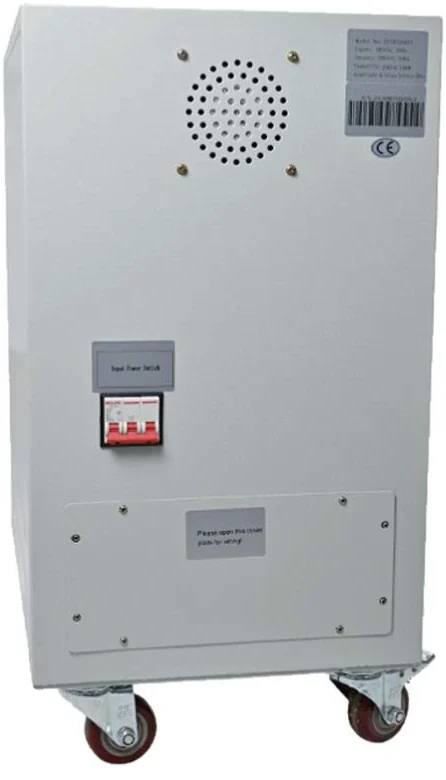
Rated range
10–2000 kVA
- Capacity
- 10–2000 kVA
- Input
- 304–456 VAC, 3-phase + N
- Output
- 380/400/415 VAC ±2%
- Regulation
- Static / power electronic
- Efficiency
- > 98%
- Monitoring
- LCD, RS485
A ZBW static stabilizer from 10 to 2000 kVA that regulates without moving parts. No brushes, no servo motor, no mechanical wear, which matters where maintenance access to the electrical room is limited.
What this platform is built to do.
The ZBW series is a static voltage stabilizer. It uses power electronics and a transformer-based compensation network instead of a motor-driven brush, so there are no moving parts in the regulation path. The response is faster than a servo unit, and the maintenance is limited to the electronics and cooling.
The series covers 10–2000 kVA with a 304–456 VAC three-phase input and ±2% output. It is used for industrial plants, commercial buildings, and large facilities where the load is sensitive to voltage steps and the site wants to avoid brush maintenance.
The ZBW is a stabilizer, not a UPS. It corrects voltage but does not provide backup. For outage ride-through, pair it with a UPS or a generator.
No brush wear
Static regulation avoids the carbon brush and motor maintenance of a servo unit.
Fast response
Electronic correction for voltage steps and industrial load changes.
Wide capacity
Up to 2000 kVA for plant and building-level stabilization.
Industrial build
Designed for continuous duty in electrical rooms.
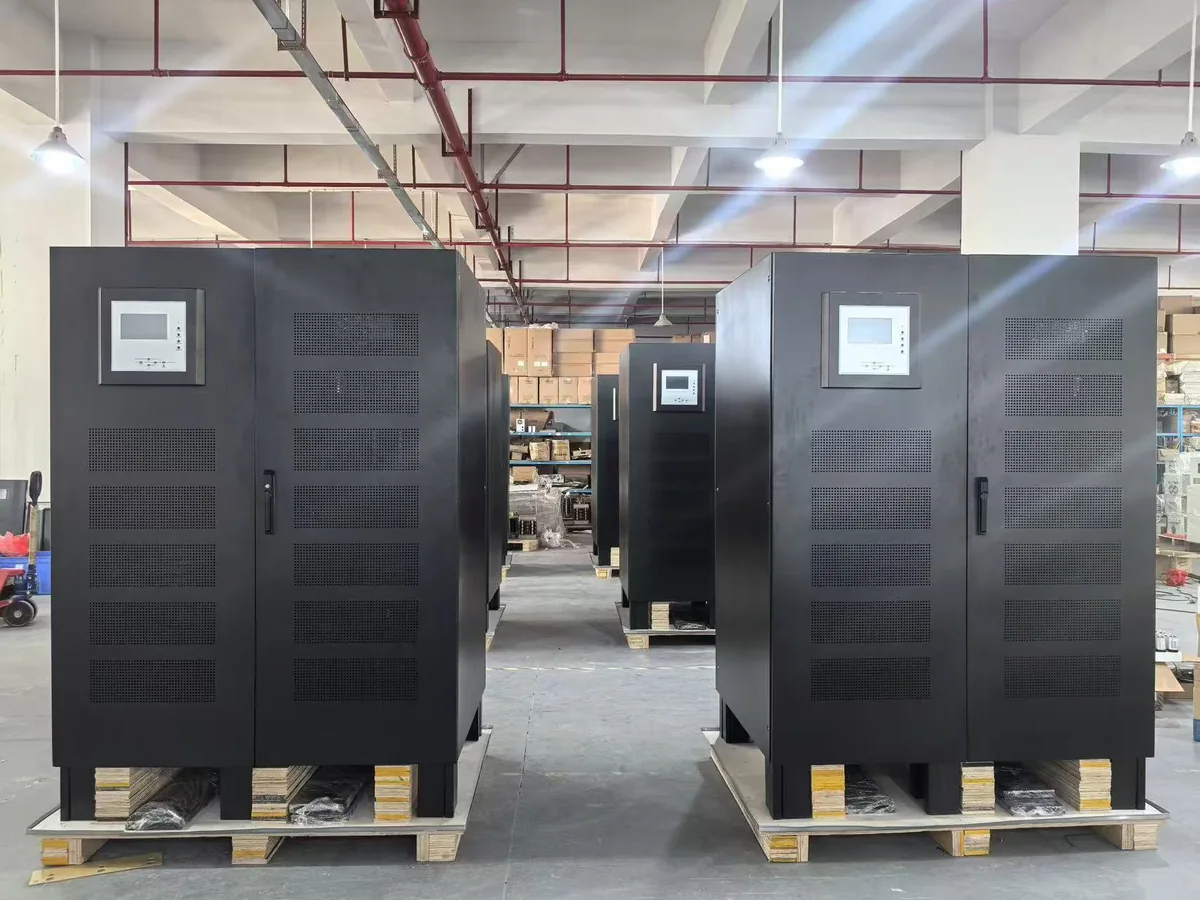
ZBW Series · 10–2000 kVA
Selected models and nominal values. The quotation confirms the exact configuration, battery, and documentation for the project.
Request a model sheetZBW series capacity range
| Model group | Capacity | Input | Output | Typical use |
|---|---|---|---|---|
| ZBW-10KVA-T | 10 kVA | 304–456 VAC | 380/400/415 VAC ±2% | Small plant |
| ZBW-30KVA-T | 30 kVA | 304–456 VAC | 380/400/415 VAC ±2% | Production line |
| ZBW-50KVA-T | 50 kVA | 304–456 VAC | 380/400/415 VAC ±2% | Factory section |
| ZBW-100KVA-T | 100 kVA | 304–456 VAC | 380/400/415 VAC ±2% | Building / plant |
| ZBW-200KVA-T | 200 kVA | 304–456 VAC | 380/400/415 VAC ±2% | Large facility |
| ZBW-300KVA-T | 300 kVA | 304–456 VAC | 380/400/415 VAC ±2% | Heavy industry |
| ZBW-1000KVA-T | 1000 kVA | 304–456 VAC | 380/400/415 VAC ±2% | Plant-wide |
| ZBW-2000KVA-T | 2000 kVA | 304–456 VAC | 380/400/415 VAC ±2% | Large industrial site |
Electrical
- Capacity
- 10–2000 kVA
- Input
- 380/400/415 VAC, 304–456 VAC
- Output
- 380/400/415 VAC ±2%
- Frequency
- 50/60 Hz
- Efficiency
- > 98%
- Regulation
- Static, power electronic
Protection and monitoring
- Protections
- Over/under voltage, overload, overcurrent, short circuit, phase loss
- Display
- LCD
- Communication
- RS485
- Cooling
- Forced air
Key specifications
| Parameter | Value |
|---|---|
| Capacity | 10–2000 kVA |
| Input | 304–456 VAC, 3-phase + N |
| Output | 380/400/415 VAC ±2% |
| Regulation | Static / power electronic |
| Efficiency | > 98% |
| Monitoring | LCD, RS485 |
Selection notes for this family
| Question | What to check | Why |
|---|---|---|
| Load profile | Running kW and largest step for 10–2000 kVA | Avoid overload and oversizing |
| Runtime | Battery bank and charger for the target minutes | Actual autonomy |
| Environment | Temperature, altitude, dust and ventilation | Life and derating |
| Interface | Monitoring, bypass, parallel requirement | Integration with the room |
| Documentation | Conformity route and model test report | Customs and tender |
Where this family fits.
These are the load types the platform is specified for. If your load is outside this list, send the load profile before selecting the model.
- Industrial plants
- Commercial buildings
- Large HVAC systems
- Production lines
- Water treatment
ZBW stabilizer: project questions.
Project-specific answers. If your question is not here, send the load list and the site conditions.
Talk to an engineer What is the difference between ZBW and SBW?
SBW uses a servo motor and brush; ZBW uses static power electronics. ZBW has no moving parts and a faster response; SBW is mechanically simpler and widely proven.
Is ZBW maintenance-free?
It avoids brush maintenance, but the electronics and cooling still need inspection. Schedule periodic cleaning and protection tests.
Does ZBW provide backup?
No. It corrects voltage only. Add a UPS or generator for outages.
Can it handle a 2000 kVA load?
Yes, the series extends to 2000 kVA. The input current, breaker, cable, and room layout must be engineered for the specific frame.
Does it work with unbalanced loads?
The three-phase model regulates the phases; confirm the exact phase-regulation configuration (unified or independent) with the frame datasheet.
Send the load list. We will return the configuration.
Tell us the kW, the backup time, the phase, and the site country. You will get a capacity recommendation, a battery configuration, and the model sheet.
- Capacity and topology recommendation
- Battery bank and runtime estimate
- Model sheet and commercial offer
Request a configuration and quotation
Send the load list, backup time, and site conditions. We will return a capacity recommendation, battery configuration, and commercial offer.