A security system is judged by what it recorded during the incident, not by what it recorded on a normal day. If the UPS drops the recorder and the cameras during an outage, the site has a blind spot exactly when it matters. The backup must be sized for the recorder, the cameras, the network, and the access control, and it must be tested.
This guide covers the load calculation, the runtime target, the rack layout, and the test schedule for a security-room UPS.
What loads should be on the security UPS?
Start with the devices that produce or preserve evidence: the network video recorder, the cameras, the PoE switch, and the access controllers. The monitor is optional; the alarm panel and the intercom may be on a separate circuit.
A typical 16-camera site might have a 120 W NVR, 16 PoE cameras at 8 W each (128 W), a 24-port PoE switch at 60 W, and access controllers at 80 W. The total is about 388 W. Add 20–25% for growth and battery aging, and design for about 480 W.
| Equipment | Typical draw | Notes |
|---|---|---|
| 8-channel NVR + 2 drives | 60–100 W | Depends on drives and recording mode |
| 16-channel NVR + 4 drives | 100–160 W | PoE budget separate |
| PoE camera | 5–15 W | IR and heater increase draw |
| 24-port PoE switch | 40–120 W | Plus camera PoE load |
| Access controller | 20–50 W | Lock current is separate |
| Alarm panel | 20–60 W | Siren current is separate |
| Monitor | 25–50 W | Often omitted |
The camera wattage is not the only load. A camera with IR illumination or a heater can draw more at night or in cold weather. Check the datasheet for the maximum, not the average.
How do I get 4–8 hours of runtime?
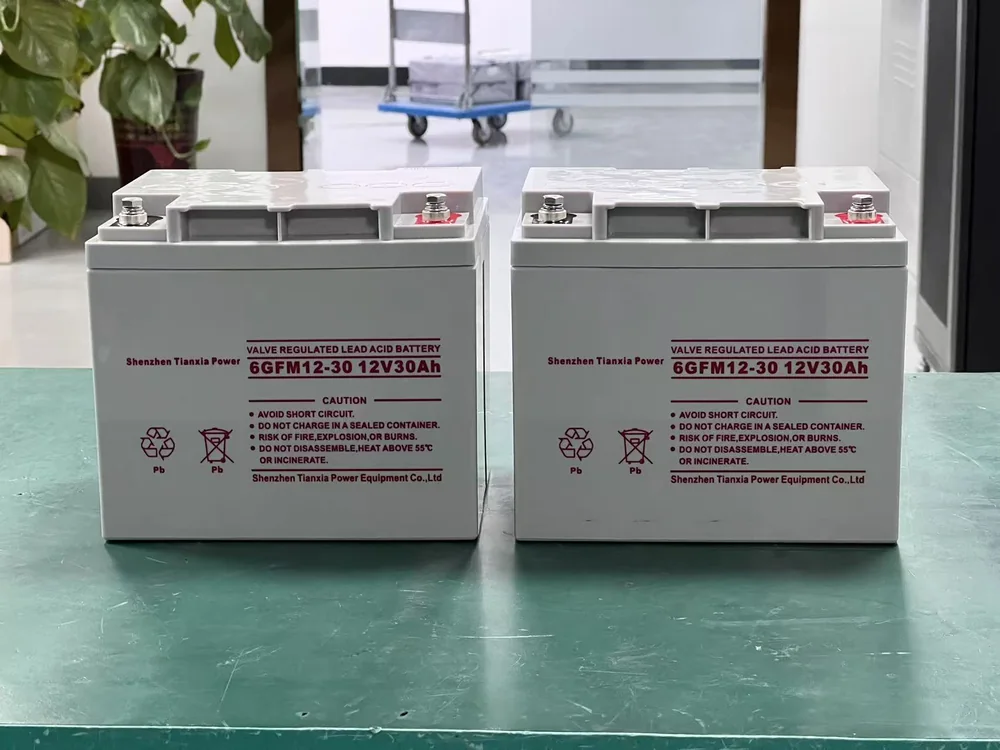
At 480 W and 4 hours, the usable energy is 1.92 kWh. At 80% depth of discharge, the nominal bank is 2.4 kWh. On a 24 VDC bus, that is about 100 Ah. At 8 hours, the bank doubles to about 200 Ah.
A 1 kVA UPS with a 24 V 100 Ah bank is a practical 4-hour configuration. A 2 kVA unit with a 24 V 200 Ah bank covers 8 hours. If the UPS uses a 48 VDC bus, the Ah requirement halves, but the block count stays the same for the same energy.
| Runtime | Nominal energy | 24 V bank | 48 V bank |
|---|---|---|---|
| 2 h | 1.2 kWh | 50 Ah | 25 Ah |
| 4 h | 2.4 kWh | 100 Ah | 50 Ah |
| 8 h | 4.8 kWh | 200 Ah | 100 Ah |
| 12 h | 7.2 kWh | 300 Ah | 150 Ah |
Use a long-runtime UPS with an external battery pack or a battery cabinet. Confirm the charger current. A small charger may take a long time to recharge a 200 Ah bank, and the next outage may arrive before the battery is full.
Should the UPS be rack-mounted or freestanding?
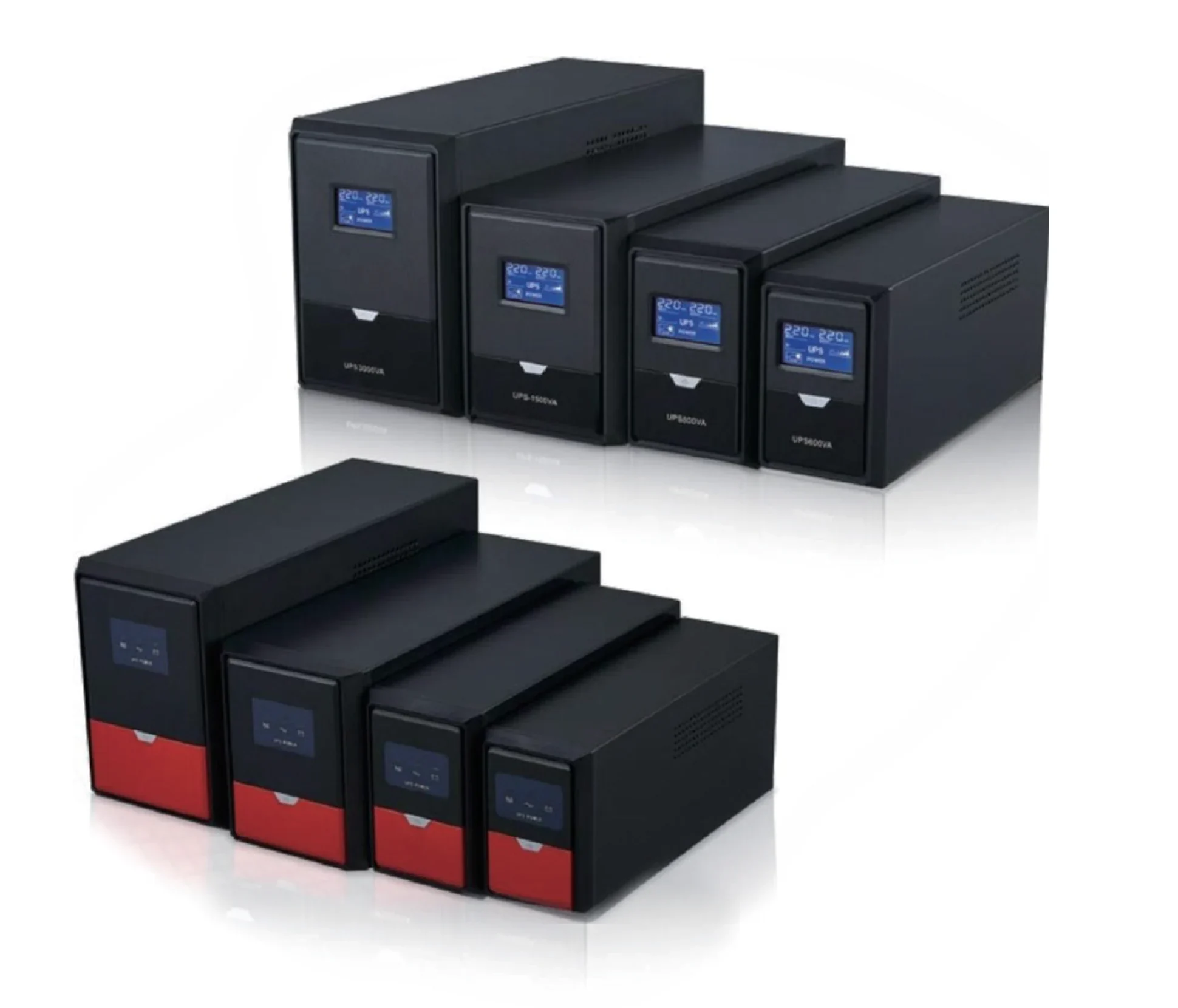
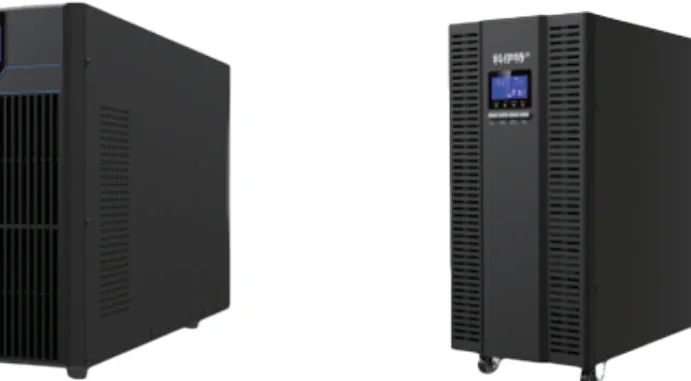
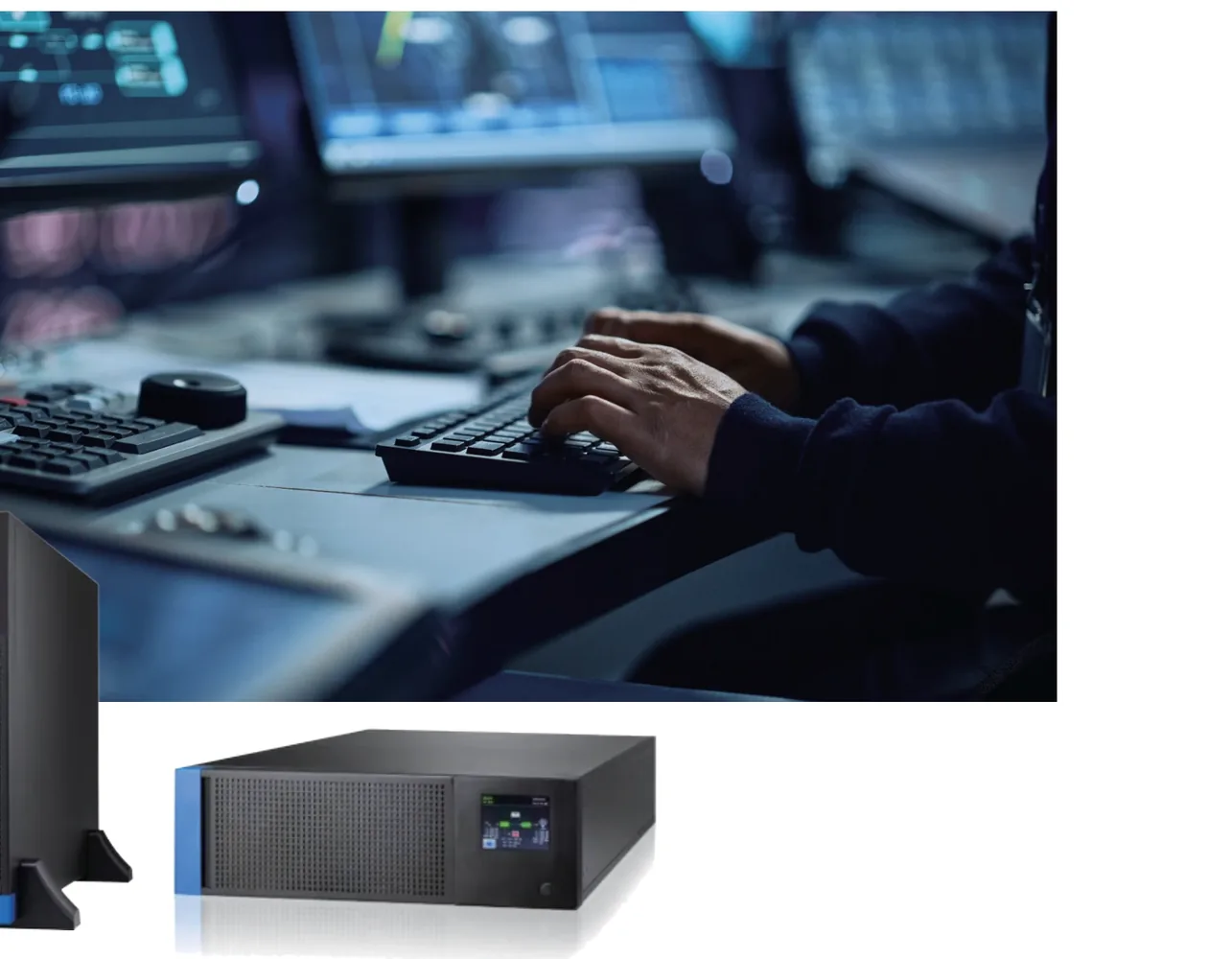
A rack UPS saves floor space and keeps the battery in the same cabinet, but it consumes rack units and adds heat to the rack. A freestanding tower UPS is easier to service and can use a larger battery cabinet, but it needs floor space and a cable route.
For a small security room with one or two racks, a rack UPS is convenient. For a room with four or more racks or a long runtime, a tower UPS with an external battery cabinet is often easier to expand and maintain.
What monitoring does the security room need?
The UPS should report mains failure, low battery, overload, and overtemperature to the monitoring station. Use SNMP for network alerts, dry contacts for the alarm panel, and a battery monitor for the string. The guard should see the alarm, and the on-call engineer should receive an escalation.
Test the alert path during commissioning. Simulate a mains failure, confirm the SNMP trap or email, and confirm the dry-contact state. Restore the mains and confirm the clear event.
How do I test the runtime?
Run a load test every 12 months at the design load and record the time to the end-of-discharge voltage. A UPS that reports “battery OK” may still fail under load. Replace the battery when the runtime falls below the target, or when the blocks show swelling, heat, or voltage imbalance.
Keep a label on the UPS with the load list, the runtime target, and the last test date. That label is the simplest way to prevent a future technician from adding load without rechecking the runtime.
The security UPS checklist
- Add the NVR, cameras, PoE switch, access control, and monitor.
- Use the maximum camera draw, not the average.
- Size the battery for 4–8 hours and confirm the charger.
- Choose rack or tower by the room, not by habit.
- Monitor the UPS and test the alert path.
- Run a load test every 12 months and label the runtime.
The security room is a small load with a high consequence. The UPS should be sized for the evidence, not for the convenience of the installer.