
UPS systems for South Africa: backup that survives load shedding.
UPS and battery systems for South Africa: load shedding runtime, 230 V 50 Hz, NRCS documentation, delivery to Johannesburg, Durban and Cape Town.
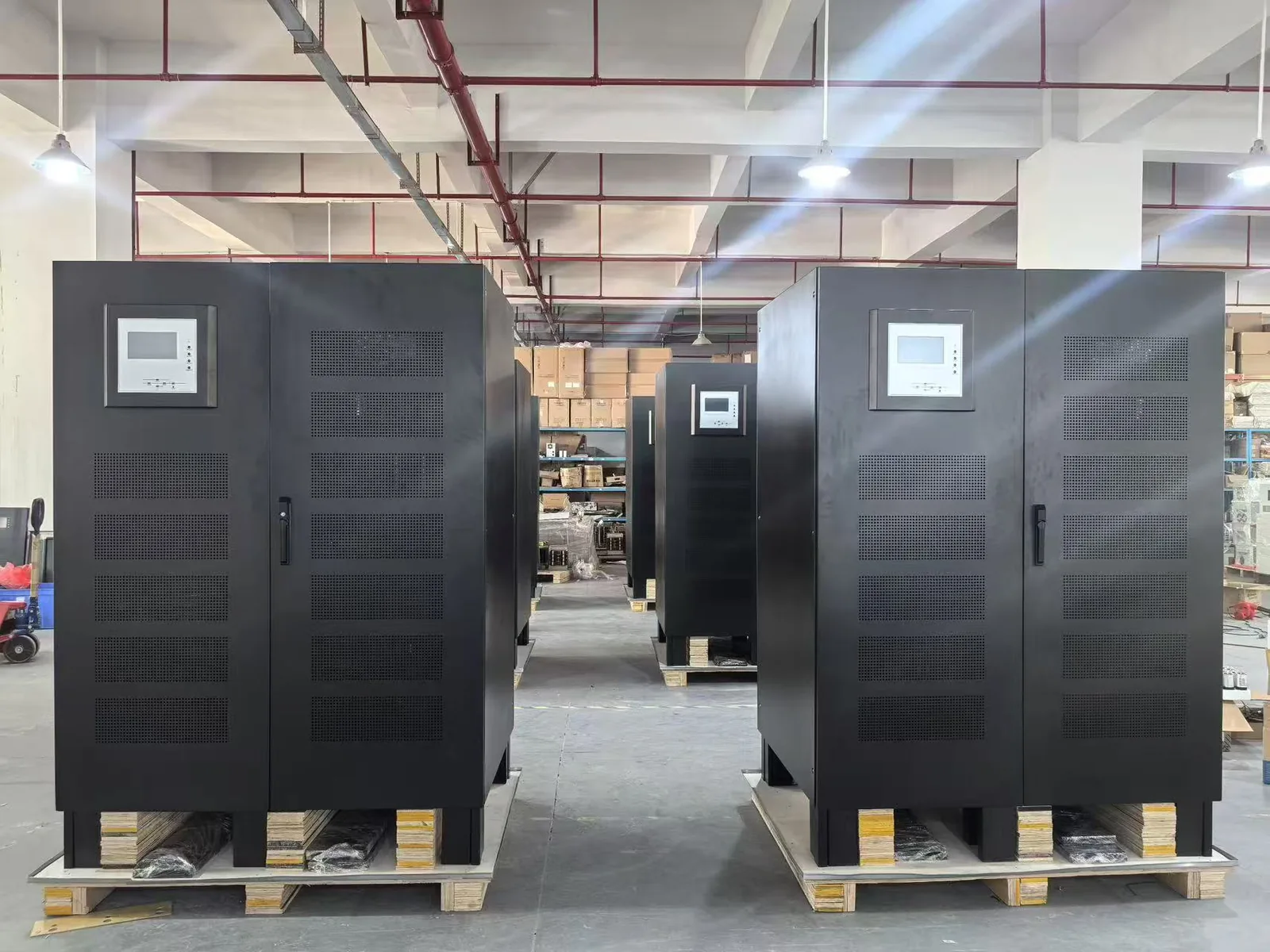
- Supply
- 230 V / 50 Hz
- UPS range
- 400 VA–800 kVA
- Typical long outage
- 2–4 h
- Conformity route
- NRCS
South Africa’s load shedding made backup power a standard building service. The requirement is no longer “a UPS for the server”; it is “keep the lights, the network, the security, and the production line running for a defined period.” That changes the sizing: the load list is larger, the runtime is longer, and the battery room becomes a design item.
This page covers the 230 V / 50 Hz configuration, the typical load-shedding stages, the difference between a UPS and an inverter, and the documentation a South African importer should confirm before shipment.
How much backup do I need for load shedding?
Start with the loads that must stay on: network, security, refrigeration, lighting, payment systems, and the production control. Do not size for the whole building unless the whole building must run. A 5 kVA UPS can keep the network and a few workstations alive; a 30–100 kVA system is needed for a factory line or a commercial building.
Runtime should match the load-shedding block plus a margin. If the utility returns after 2–4 hours, a 2-hour battery bank with a generator is a common hybrid. If there is no generator, the battery must carry the full block, and the cost rises quickly.
Typical South African backup sizes
| Site | Critical load | UPS / inverter | Runtime strategy |
|---|---|---|---|
| Home office | 1–3 kW | 3–5 kVA | 1–2 h battery |
| Small office | 3–8 kW | 5–10 kVA | 2 h battery + generator |
| Retail store | 5–12 kW | 10–15 kVA | 2 h battery + generator |
| Security / CCTV | 1–4 kW | 3–5 kVA | 4 h battery |
| Factory line | 20–80 kW | 30–100 kVA | Generator + 15 min ride-through |
| Data closet | 5–15 kW | 10–20 kVA | 2 h battery + generator |
UPS or inverter for a South African home?
An inverter with a lithium battery is often the right choice for a home or a small shop: it carries lights, routers, TVs, fridges, and a few appliances for several hours, and it can be paired with solar. It transfers in 10–20 ms, so a desktop may blink but a router usually rides through.
A UPS is the right choice for servers, medical equipment, security systems, and anything that cannot reset. It transfers in 0 ms and produces a clean sine wave. Many South African sites use both: an inverter for the general loads and a UPS for the critical rack.
What documentation should a South African importer confirm?
South Africa requires compulsory-specification products to comply with the applicable NRCS requirements. The importer should confirm the product classification, the test reports, and the marking before shipment. SABS standards may be cited in a tender even when NRCS is the regulator.
Ask for the model-specific test report, the CE or IEC 62040 report, the battery UN38.3 report for lithium, and the packing list. The documents must match the model and the voltage/frequency configuration (230 V / 50 Hz).
- NRCS compulsory specification applicability
- IEC 62040-1 / -2 / -3 test reports
- SANS or SABS references in the tender
- Battery UN38.3 and MSDS for lithium
- Import permit and clearing requirements
- Warranty and spare-parts terms
How is equipment delivered to South Africa?
Smaller units ship by air to Johannesburg or Cape Town; larger UPS and battery cabinets ship by sea to Durban or Cape Town. The quotation states the Incoterm, the packing, and the documents. Clearing and inland transport are handled by the buyer’s agent unless a delivered term is agreed.
For a battery bank, confirm the dangerous-goods classification and the shipping documents. Lithium modules require UN38.3 and MSDS; VRLA blocks are classified as non-spillable but still need the correct packing declaration.
Which standards and documents are referenced on this page?
The table lists the model-specific standards and conformity documents a project buyer should ask for. Availability depends on the frame, the battery, and the destination market; request the document that names your model.
UPS and South African conformity references
| Reference | What it covers |
|---|---|
| IEC 62040-1 | UPS general and safety requirements |
| IEC 62040-2 | UPS electromagnetic compatibility (EMC) |
| IEC 62040-3 | UPS performance and test requirements |
| IEC 60896-21 / -22 | VRLA stationary battery type and performance tests |
| IEC 62619 | Safety of lithium cells and batteries for industrial use |
| UN38.3 / MSDS | Lithium battery transport test and material safety data |
| CE / RoHS | EU conformity and restricted-substance declaration |
| ISO 9001 | Manufacturing quality management system |
| SNMP / MODBUS | Remote monitoring and BMS interface |
| IP20 / IP21 | Cabinet ingress protection for indoor installation |
| NRCS | South African compulsory-specification conformity route |
| SANS 10142-1 | Wiring of premises and electrical installation reference |
| SABS / SANS | Test references commonly cited in South African tenders |
Certificates are issued against the exact model and configuration. See the certifications page for how to confirm scope and revision, or send the model to request the current document.
Confirm the inputs and documents before quoting.
Project inputs to confirm
| Item | What to confirm | Why it matters |
|---|---|---|
| Load | Running kW, largest motor, load step | Sets kVA, overload and topology |
| Runtime | Minutes, generator availability, battery room | Sets battery bank and charger |
| Supply | Voltage, frequency, phase, input current | Sets model, breaker and cable |
| Site | Country, altitude, ambient temperature, dust | Sets derating, IP and documents |
| Battery | VRLA, LiFePO4, footprint, weight limit | Sets chemistry and room layout |
| Documentation | Conformity route, test report, language | Sets document package and lead time |
Match the page to a platform.
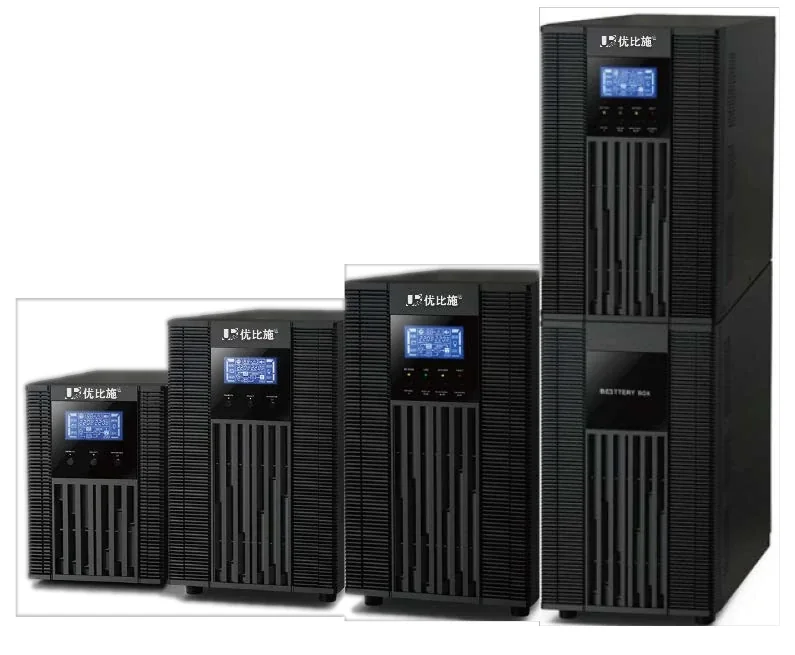
YT Series · 1–10 kVA
Single-Phase Online UPS
Double-conversion, 0 ms protection for servers, medical, and telecom loads.
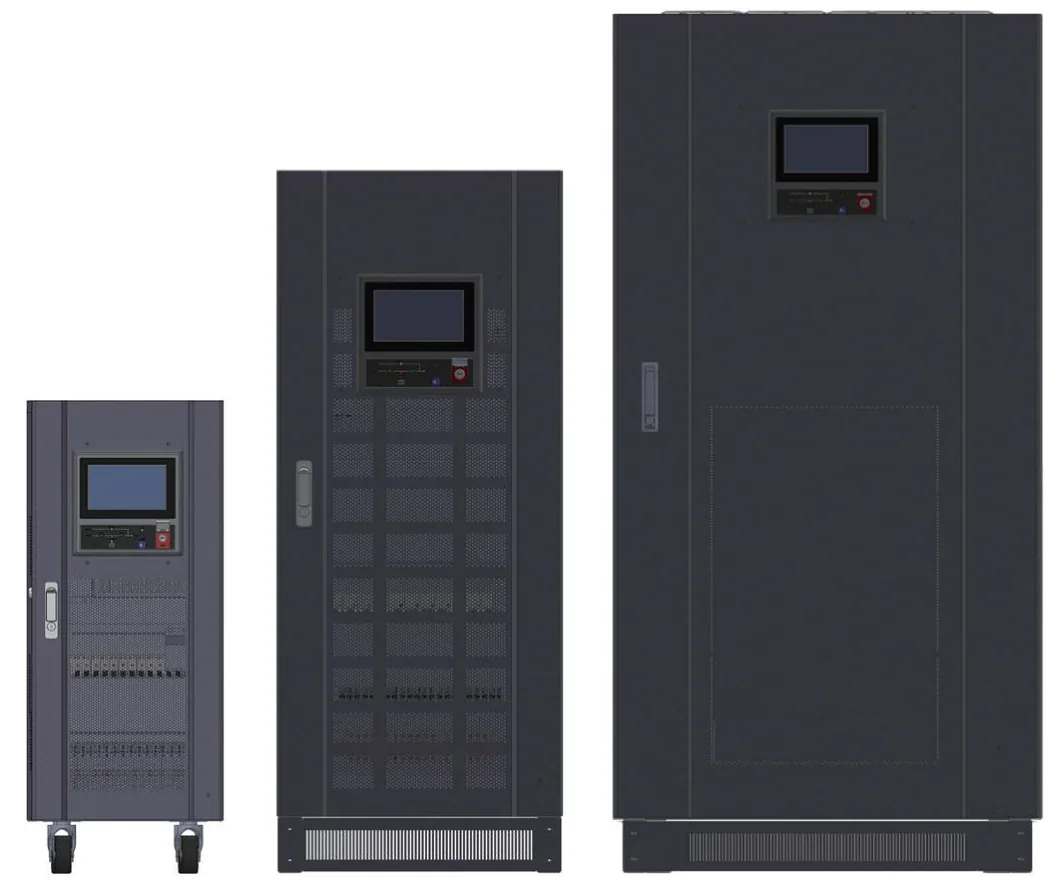
3YT / GP Series · 10–200 kVA
Three-Phase Online UPS
Three-phase double conversion for facility and industrial loads.
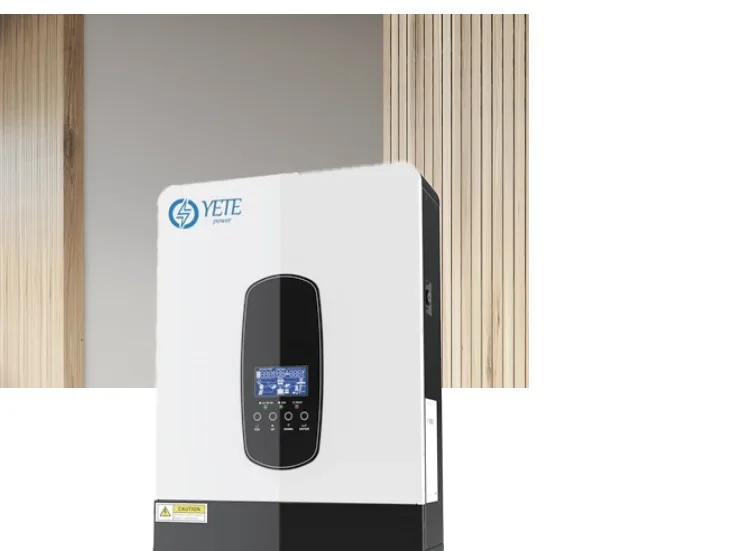
SP Series · 2.2–7 kVA
Pure Sine Wave Inverter
Grid or solar charging with a pure sine wave output.
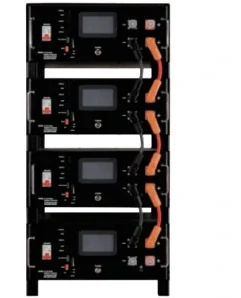
51.2 V rack · 50–280 Ah
LiFePO4 Battery
More usable cycles and less weight for long runtime.
Questions from project buyers.
Project-specific answers. If your question is not here, send the load list and the site conditions.
Talk to an engineer What size UPS do I need for load shedding in South Africa?
Add the critical loads in kW, add 20–25% margin, and choose a runtime that covers the load-shedding block. A home office often needs 3–5 kVA; a small office 5–10 kVA; a factory line 30–100 kVA.
Is an inverter enough for load shedding?
For lights, routers, TVs, and fridges, an inverter with a lithium battery is often enough. For servers, medical equipment, and security systems, use a UPS with 0 ms transfer.
Do I need NRCS approval?
The importer should confirm whether the product falls under an NRCS compulsory specification and ensure the correct test reports and marking. Requirements depend on the product category.
Can I use solar with a UPS?
A UPS is not a solar inverter. For solar self-consumption, use a hybrid inverter and keep the UPS for the critical load. The two can share a battery bank only if the chargers and BMS are compatible.
How long does delivery take?
Air freight is faster for small units; sea freight to Durban or Cape Town takes longer. The exact lead time is confirmed in the quotation based on the model and the shipping method.
Send the load list. We will return the configuration.
Tell us the kW, the backup time, the phase, and the site country. You will get a capacity recommendation, a battery configuration, and the model sheet.
- Capacity and topology recommendation
- Battery bank and runtime estimate
- Model sheet and commercial offer
Request a configuration and quotation
Send the load list, backup time, and site conditions. We will return a capacity recommendation, battery configuration, and commercial offer.