
UPS guides by capacity, topology, and market.
Start with the load and the runtime. These guides connect the capacity to the topology, the battery bank, and the site conditions.
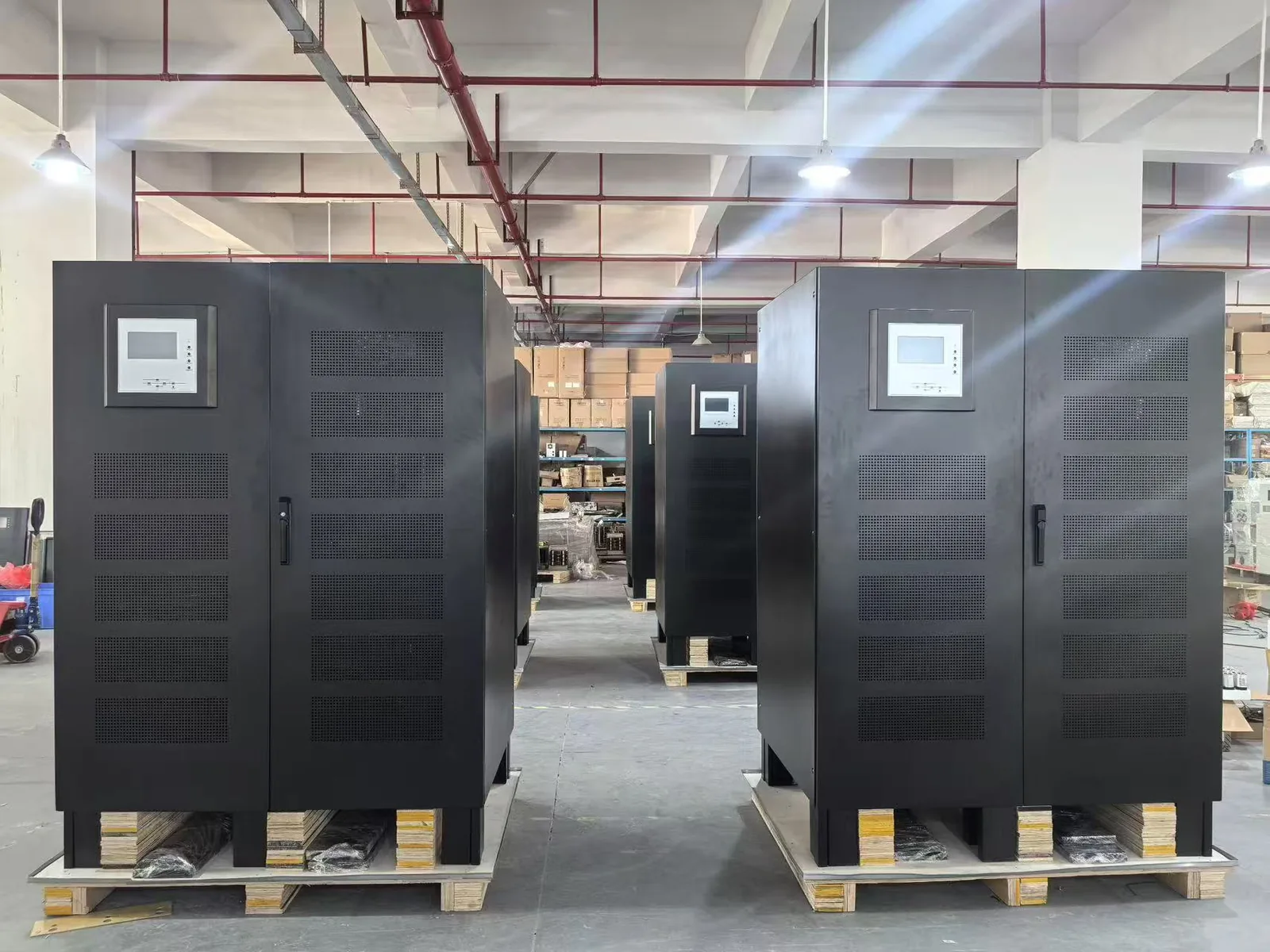
- Capacity range
- 400 VA–800 kVA
- Online transfer
- 0 ms
- Market guides
- 4
- Topology guides
- 6
By capacity
5 guides1 kVA UPS
1 kVA UPS: what it can actually run, and for how long.
A 1 kVA UPS delivers about 900 W at 0.9 PF. The real load list, runtime with internal and external batteries, and the right model for servers and POS.
3 kVA UPS
3 kVA UPS: the small-server and branch-office workhorse.
A 3 kVA UPS delivers 2.7 kW at 0.9 PF. Load tables, runtime estimates, rack and tower options, and selection guidance for server rooms.
5 kVA UPS
5 kVA UPS: the bridge between a closet and a server room.
A 5 kVA UPS delivers 4.5 kW at 0.9 PF. Realistic loads, 30–120 minute battery configurations and the right model for branch server rooms.
10 kVA UPS
10 kVA UPS: the server-room standard, sized properly.
A 10 kVA UPS delivers 9 kW at 0.9 PF. Load tables, 10–120 minute battery banks and a checklist for server rooms and small data centers.
Large capacity
Large-capacity UPS: 20–200 kVA for facilities and data centers.
Large UPS frames from 20 to 200 kVA with parallel options, 384 VDC battery banks, 0 ms transfer and project support for data centers and plants.
By topology
6 guidesOnline UPS
Online UPS: continuous double conversion, zero transfer gap.
How an online UPS works, when it beats line-interactive, input and output specifications, battery sizing, and the 1–200 kVA models available.
Rack UPS
Rack-mount UPS: online power without taking the floor.
Rack UPS from 1 to 60 kVA in 1U–6U, with external battery packs, 0 ms transfer, SNMP monitoring, and rack-depth and heat guidance.
Modular UPS
Modular UPS: add capacity and redundancy in 10–50 kVA steps.
Modular UPS frames from 10 to 600 kVA with hot-swappable modules, N+1 redundancy, <3% input THDi, and battery options for data centers.
Three-phase UPS
Three-phase UPS: facility-scale power with 0 ms transfer.
Three-phase online UPS from 10 to 200 kVA for data centers, industrial plants, hospitals, commercial buildings: input/output specs, battery bus, parallel.
Industrial UPS
Industrial UPS: built for the electrical room, not the IT closet.
Industrial UPS from 10 to 200 kVA with 165–280 VAC input, high overload, IP21 protection, and 0–55 °C operation for PLC, DCS, and process loads.
Pure sine wave
Pure sine wave output: why it matters for motors and electronics.
Pure sine wave vs simulated sine wave, THD, crest factor, and which loads need a true sine wave UPS. Includes 1–200 kVA online models.
By application
2 guidesData centers
Data center UPS: redundancy, runtime, and room design.
Data center UPS architecture from 20 to 300 kW: modular N+1, parallel frames, battery runtime, cooling, monitoring, and commissioning checklist.
Server rooms
Server room UPS: right-size the rack, the runtime, and the room.
Server room UPS from 3 to 20 kVA: load calculation, rack vs tower, runtime, cooling, monitoring, and a selection checklist for IT rooms.
By market
4 guidesSouth Africa
UPS systems for South Africa: backup that survives load shedding.
UPS and battery systems for South Africa: load shedding runtime, 230 V 50 Hz, NRCS documentation, delivery to Johannesburg, Durban and Cape Town.
Philippines
UPS and AVR for the Philippines: brownouts, typhoons, and 60 Hz.
UPS and AVR systems for Philippine homes, offices and factories: 220 V 60 Hz, brownout and surge protection, PS/ICC documentation, Manila and Cebu.
Bangladesh
UPS price in Bangladesh: the five factors that move the number.
What drives UPS price in Bangladesh: kVA, topology, battery, runtime and documentation. Sizing for 220 V / 50 Hz, load shedding and factory projects.
Middle East
UPS and AVR systems for Gulf projects: heat, dust, and 400 V.
UPS, AVR and battery systems for UAE, Saudi Arabia and Qatar: 230/400 V 50 Hz, 45–50 °C ambient, IP54 options, SASO/SABER and ESMA documentation.
The UPS platforms behind the guides.
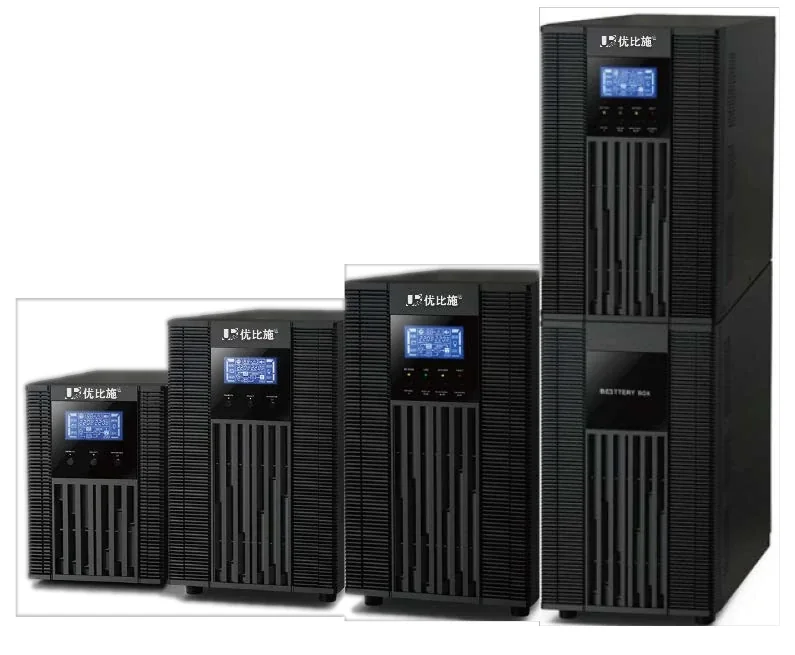
YT Series · 1–10 kVA
Single-Phase Online UPS
Double-conversion, 0 ms protection for servers, medical, and telecom loads.
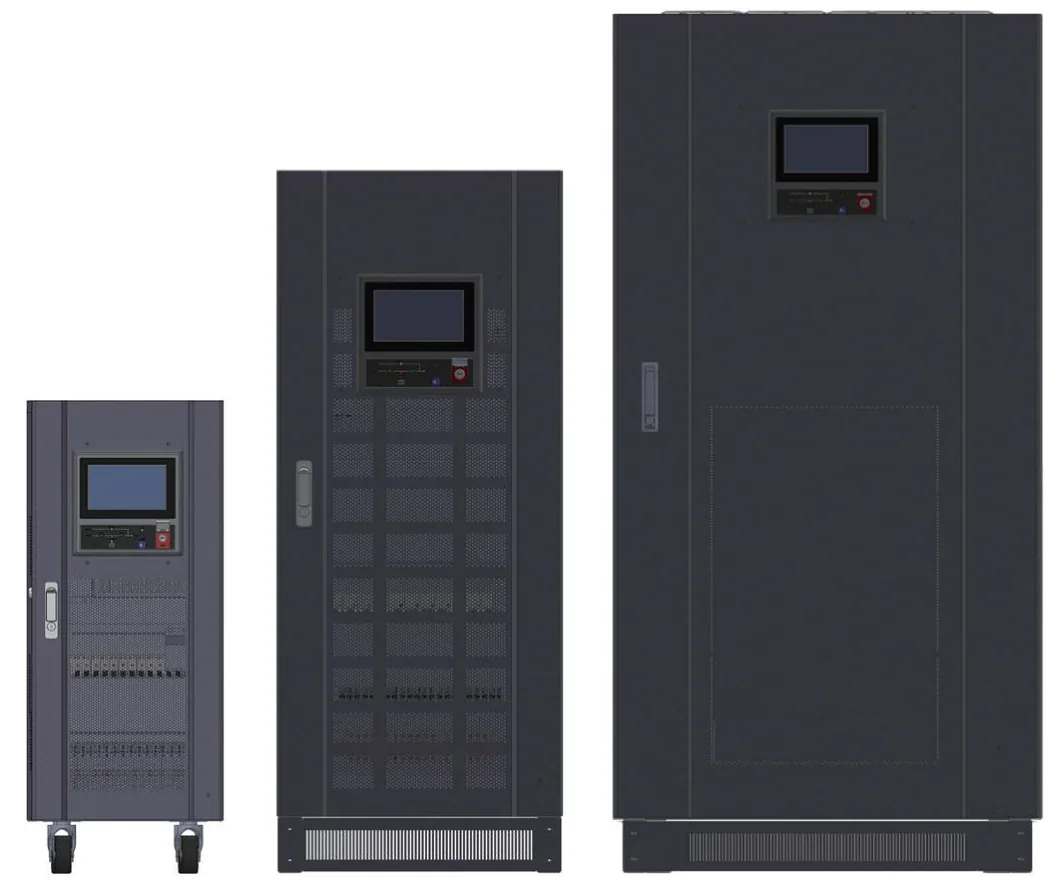
3YT / GP Series · 10–200 kVA
Three-Phase Online UPS
Three-phase double conversion for facility and industrial loads.
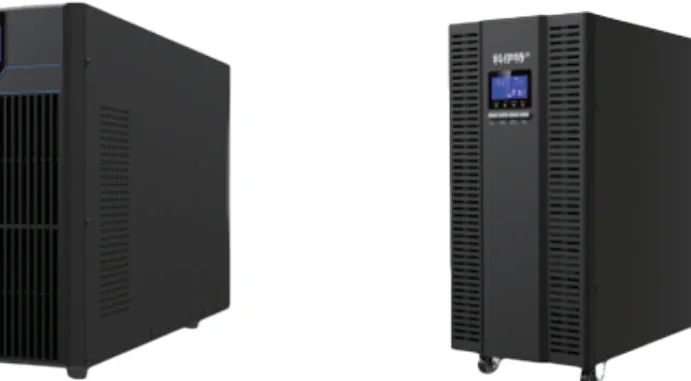
YT-R / UM / RT · 1–60 kVA
Rack-Mount UPS
Double conversion in 1U–3U, built for racks and edge rooms.
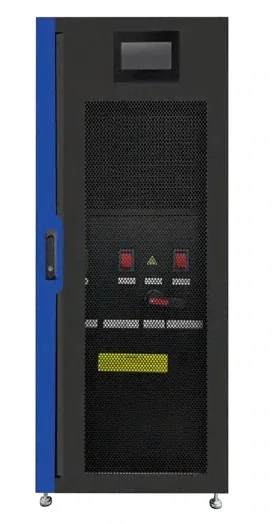
Modular frames · 10–600 kVA
Modular UPS
Scale capacity and redundancy one hot-swappable module at a time.
Capacity and selection reference.
Typical capacity reference
| UPS size | Real power at 0.9 PF | Typical load |
|---|---|---|
| 1 kVA | 0.9 kW | Small server, POS, router |
| 3 kVA | 2.7 kW | Branch IT, CCTV, clinic desk |
| 5 kVA | 4.5 kW | Small server room, 32 cameras |
| 10 kVA | 9 kW | Server room, 6–8 racks |
| 20 kVA | 18 kW | Small data center, production cell |
| 60 kVA | 54 kW | Plant control, telecom core |
| 100 kVA | 90 kW | Hospital, commercial building |
| 200 kVA | 180 kW | Large data center, process plant |
Selection checks before quoting
| Check | Recommended approach | Risk if skipped |
|---|---|---|
| kW vs kVA | Divide kW by output PF, then add 20–25% | UPS runs at overload |
| Motor starting | Use soft starter or higher overload frame | Trips on start |
| Battery runtime | Use the discharge curve, not Ah ÷ current | Runtime shortfall |
| Charger | Confirm recharge current and time | Battery never fully recharged |
| Input current | Size breaker and cable for full load + charging | Nuisance trips and heat |
| Room | Check floor loading, ventilation and clearance | Installation delay |
Send the load list. We will return the configuration.
Tell us the kW, the backup time, the phase, and the site country. You will get a capacity recommendation, a battery configuration, and the model sheet.
- Capacity and topology recommendation
- Battery bank and runtime estimate
- Model sheet and commercial offer
Request a configuration and quotation
Send the load list, backup time, and site conditions. We will return a capacity recommendation, battery configuration, and commercial offer.