
Pure sine wave output: why it matters for motors and electronics.
Pure sine wave vs simulated sine wave, THD, crest factor, and which loads need a true sine wave UPS. Includes 1–200 kVA online models.
- THD, linear load
- <3%
- Online transfer
- 0 ms
- Crest factor
- 3:1
- Range
- 1–200 kVA
A pure sine wave is the waveform the grid is supposed to deliver. A simulated sine wave is a stepped approximation used in low-cost UPS. The difference matters for motors, compressors, audio equipment, medical devices, and any load with a transformer or a power-factor correction stage.
Online UPS systems regenerate a pure sine wave with low THD. Line-interactive units may output a simulated sine wave in battery mode, which is acceptable for switch-mode power supplies but not for motor loads. If the load has a motor, a compressor, or a sensitive analog stage, specify a pure sine wave UPS.
What is the difference between pure and simulated sine wave?
A pure sine wave has a smooth, continuous curve. A simulated sine wave uses a stepped or square approximation with harmonic content. Motors and transformers heat up on the harmonics; audio equipment can hum; some medical devices may not operate reliably. Switch-mode power supplies usually accept a simulated wave, but the margin is smaller.
The measurement is total harmonic distortion (THD). A good online UPS is below 3% THD on a linear load and below 7% on a non-linear load. A simulated sine wave can have 30–40% THD or more.
Waveform and load compatibility
| Load | Simulated sine wave | Pure sine wave | Recommendation |
|---|---|---|---|
| Desktop PC / monitor | Usually acceptable | Yes | Line-interactive is fine |
| Server / network switch | Acceptable but not ideal | Yes | Online preferred |
| Motor / compressor | No | Yes | Online or industrial UPS |
| Medical device | No | Yes | Online with isolation |
| Audio / test equipment | No | Yes | Online with low THD |
| Laser printer | Not recommended | Yes, with capacity | Separate circuit or large UPS |
What is crest factor and why does it matter?
Crest factor is the ratio of peak current to RMS current. A pure sine wave into a linear load has a crest factor of about 1.41. A switch-mode power supply can draw a peak current 2–3 times its RMS current. A UPS with a 3:1 crest factor can supply that peak without clipping the waveform or derating the output.
If the UPS has a lower crest factor, the output may distort or the UPS may trip on overload even though the RMS load is within rating. For IT loads, specify at least 3:1.
Which UPS gives a pure sine wave?
Every online double-conversion UPS in our range produces a pure sine wave. The line-interactive MT series produces a simulated sine wave in battery mode, which is suitable for POS, CCTV, and office equipment. The inverter range also produces a pure sine wave and can be paired with a battery bank for longer runtime.
- 1–10 kVA online tower: pure sine wave, 0 ms, THD <3%.
- 1–10 kVA online rack: pure sine wave, 0 ms, rack format.
- 10–200 kVA three-phase: pure sine wave, 3:1 crest, parallel options.
- Modular 90–300 kW: pure sine wave, N+1, hot-swap.
- Industrial 10–200 kVA: pure sine wave, wide input, high overload.
Which standards and documents are referenced on this page?
The table lists the model-specific standards and conformity documents a project buyer should ask for. Availability depends on the frame, the battery, and the destination market; request the document that names your model.
UPS standards and documents
| Reference | What it covers |
|---|---|
| IEC 62040-1 | UPS general and safety requirements |
| IEC 62040-2 | UPS electromagnetic compatibility (EMC) |
| IEC 62040-3 | UPS performance and test requirements |
| IEC 60896-21 / -22 | VRLA stationary battery type and performance tests |
| IEC 62619 | Safety of lithium cells and batteries for industrial use |
| UN38.3 / MSDS | Lithium battery transport test and material safety data |
| CE / RoHS | EU conformity and restricted-substance declaration |
| ISO 9001 | Manufacturing quality management system |
| SNMP / MODBUS | Remote monitoring and BMS interface |
| IP20 / IP21 | Cabinet ingress protection for indoor installation |
Certificates are issued against the exact model and configuration. See the certifications page for how to confirm scope and revision, or send the model to request the current document.
Confirm the inputs and documents before quoting.
Project inputs to confirm
| Item | What to confirm | Why it matters |
|---|---|---|
| Load | Running kW, largest motor, load step | Sets kVA, overload and topology |
| Runtime | Minutes, generator availability, battery room | Sets battery bank and charger |
| Supply | Voltage, frequency, phase, input current | Sets model, breaker and cable |
| Site | Country, altitude, ambient temperature, dust | Sets derating, IP and documents |
| Battery | VRLA, LiFePO4, footprint, weight limit | Sets chemistry and room layout |
| Documentation | Conformity route, test report, language | Sets document package and lead time |
Match the page to a platform.
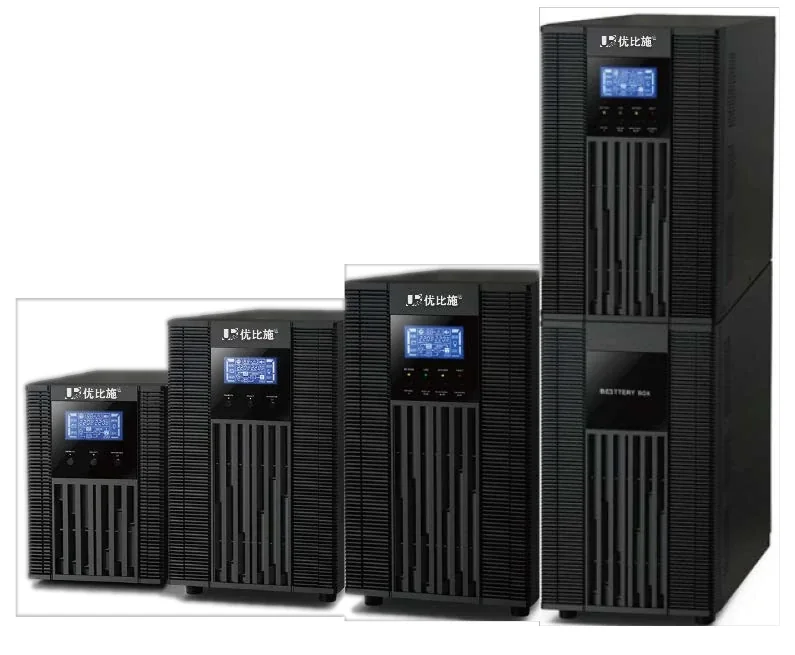
YT Series · 1–10 kVA
Single-Phase Online UPS
Double-conversion, 0 ms protection for servers, medical, and telecom loads.
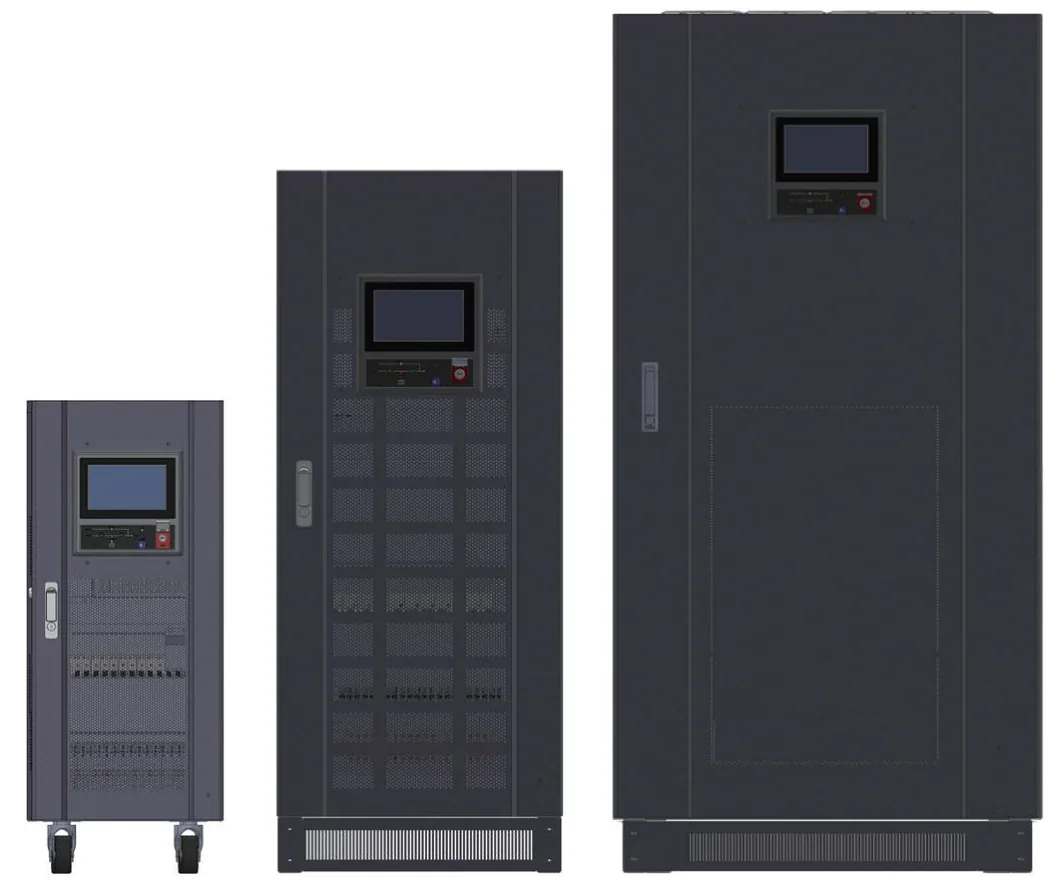
3YT / GP Series · 10–200 kVA
Three-Phase Online UPS
Three-phase double conversion for facility and industrial loads.
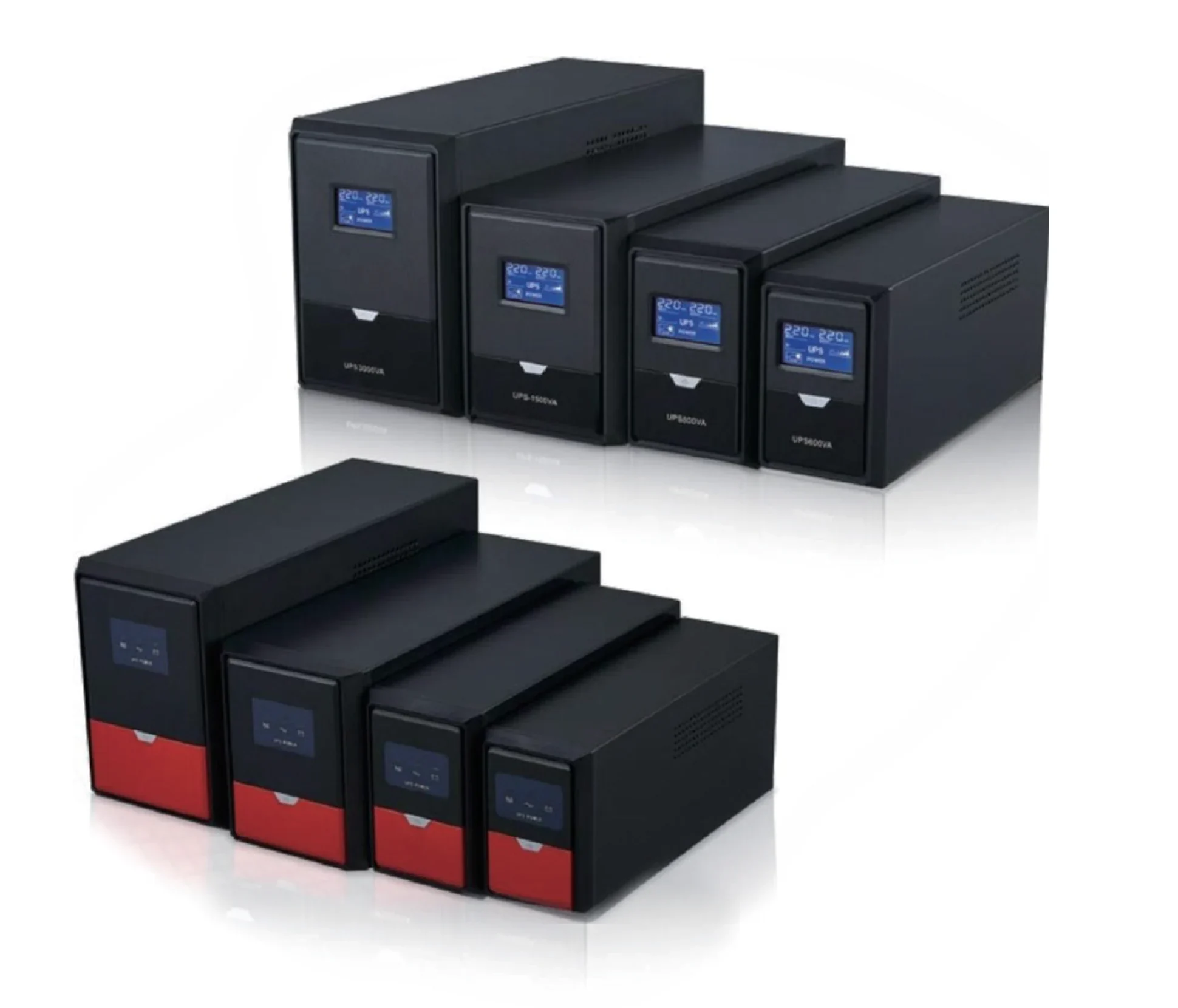
MT / HI11 / AP / AK · 500 VA – 5 kVA
Line-Interactive UPS
Compact, AVR-corrected backup for POS, security, and office loads.
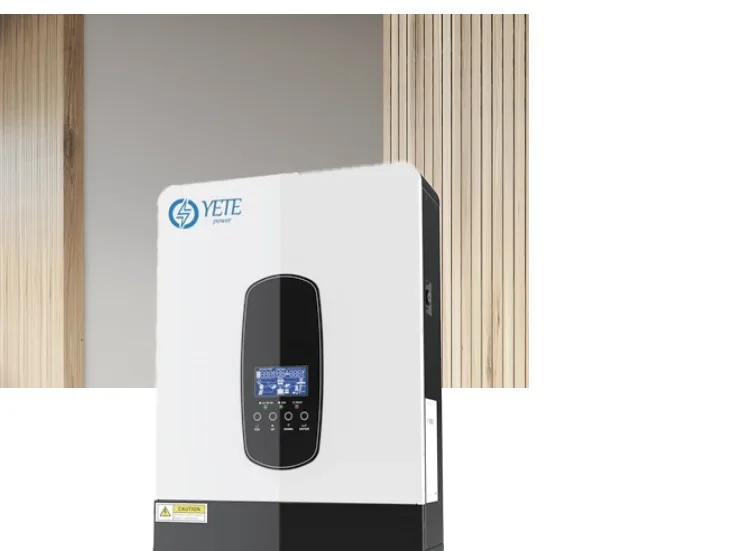
SP Series · 2.2–7 kVA
Pure Sine Wave Inverter
Grid or solar charging with a pure sine wave output.
Questions from project buyers.
Project-specific answers. If your question is not here, send the load list and the site conditions.
Talk to an engineer Do I need a pure sine wave UPS for a computer?
A modern switch-mode power supply usually runs on a simulated sine wave, but an online UPS gives a cleaner waveform and 0 ms transfer. For a single desktop, line-interactive is acceptable; for a server, online is preferred.
Can a simulated sine wave damage a motor?
It can cause extra heating, noise, and reduced life. Motors and compressors should use a pure sine wave UPS or an inverter.
What THD is considered good?
Below 3% on a linear load is good for an online UPS. Below 5% on a non-linear load is typical. A simulated sine wave can be far higher.
Does a pure sine wave UPS cost much more?
Online UPS costs more than line-interactive because of the double conversion and larger charger. The price difference is justified when the load is sensitive or the runtime is long.
Can I use a pure sine wave inverter instead of a UPS?
An inverter with a 10–20 ms transfer is not a UPS for sensitive IT loads. Use an online UPS when the load cannot tolerate a transfer gap.
Send the load list. We will return the configuration.
Tell us the kW, the backup time, the phase, and the site country. You will get a capacity recommendation, a battery configuration, and the model sheet.
- Capacity and topology recommendation
- Battery bank and runtime estimate
- Model sheet and commercial offer
Request a configuration and quotation
Send the load list, backup time, and site conditions. We will return a capacity recommendation, battery configuration, and commercial offer.