
Choosing a UPS manufacturer: what to verify before the purchase order.
How to qualify a UPS manufacturer or OEM supplier: product range, factory evidence, documents per model, and the inputs a factory needs to quote.
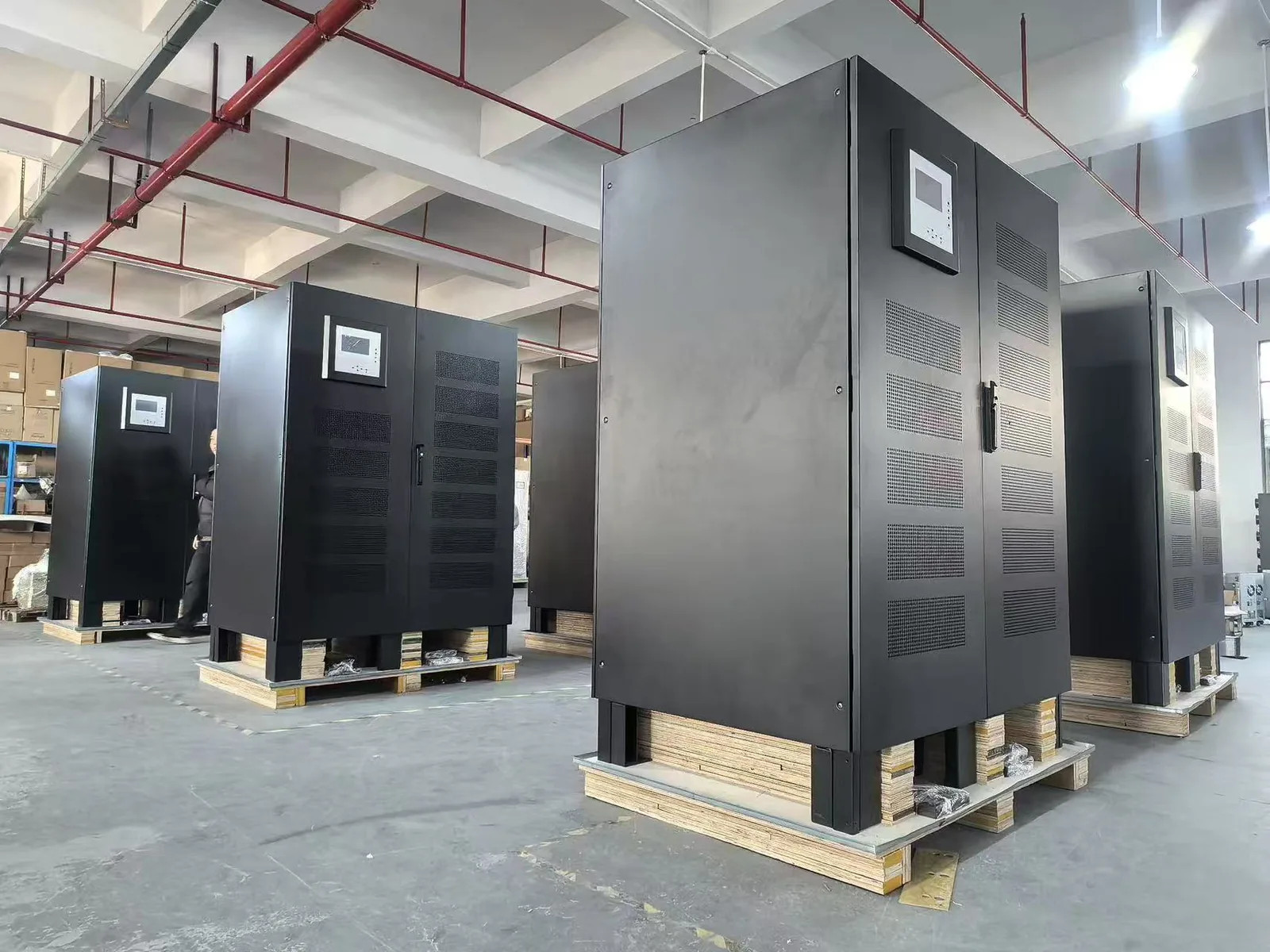
- Product families
- 30
- UPS range
- 400 VA–800 kVA
- Stabilizer range
- 10–2000 kVA
- Site languages
- 10
A UPS manufacturer is not the same thing as a trading company with a catalogue. The difference shows up later: in whether the model on the quotation is the model that ships, whether the documents name your model, and whether anyone can answer a question about the battery bus six months after delivery.
This page sets out the range we build, what OEM and ODM work actually changes, the documents a buyer should request before a purchase order, and the inputs a factory needs to produce a usable quotation. It is written for distributors, contractors and project buyers sourcing from China.
What does this factory actually build?
The catalogue covers thirty families across four groups. On the UPS side: offline, line-interactive, single-phase online, three-phase online, rack-mount, modular, industrial, elevator and high-frequency online units from 400 VA to 800 kVA. On the conditioning side: servo, contact-type and three-phase voltage stabilizers from 10 kVA to 2000 kVA.
Supporting the UPS: VRLA battery blocks from 24 Ah to 250 Ah, LiFePO4 modules at 51.2 V and 50–280 Ah, pure sine wave inverters, EPS emergency power supplies, fire emergency lighting, precision air conditioners, micro-module data centres, transformers, reactors and frequency converters. A buyer sourcing a complete power room can consolidate on one supplier instead of three.
Product groups and ranges
| Group | Families | Range |
|---|---|---|
| UPS | Offline, line-interactive, online single/three-phase, rack, modular, industrial, elevator, high-frequency | 400 VA – 800 kVA |
| Voltage stabilizers | Servo (SVC/SBW), contact-type, three-phase | 10 kVA – 2000 kVA |
| Batteries | VRLA, LiFePO4 rack modules | 24 – 250 Ah; 51.2 V 50 – 280 Ah |
| Inverters | Pure sine wave, solar hybrid | 1 – 7 kVA |
| Infrastructure | EPS, fire emergency lighting, precision cooling, micro-module data centre | Project-specific |
| Power quality | Transformers, reactors, frequency converters | Project-specific |
What is the difference between OEM and ODM here?
OEM means the unit is built to your specification and carries your brand: your logo on the panel, your model naming, your manual, your packaging. The underlying platform is an existing design, which is why OEM is usually available on shorter lead times than a new design.
ODM means the design itself is adapted — a different output configuration, a different input window for a national grid, a different battery frame, an added communication port. It takes longer because the change has to be engineered, tested and documented, and the certification scope changes with it. Both are quoted per project; neither is a catalogue item with a fixed price.
- OEM: your brand, existing platform, panel and documentation changed
- ODM: design change, new testing, new document scope
- Both: the nameplate must match the certificate and the shipping documents
- Neither: a copied casing with a different label and no test record
How do you verify a UPS manufacturer before ordering?
Ask for four things and check that they agree with each other: the model list with real capacities and output power factors, the test record format used at the end of the line, the certificate scope with the model numbers it covers, and a reference project in a comparable grid condition. Inconsistency between these four is the most reliable warning sign.
A catalogue that quotes VA without watts, a certificate with no model numbers, or a reference project with no load figures is not proof of much. The reverse is also useful: a supplier who tells you which models they do not recommend for your site is usually the one with an engineering function.
Documents to request before a purchase order
| Document | What to check | Why it matters |
|---|---|---|
| Model list | Capacity, real watts, output PF, battery bus | Confirms the unit matches the load calculation |
| Factory test record | Load test, burn-in duration, serial number | Links the shipped unit to a test |
| Certificate scope | Model numbers and revision date | A certificate without model numbers proves little |
| Reference project | Load, runtime, site conditions, year | Shows the platform working in a similar grid |
| Spare parts list | Fans, boards, batteries, lead time | Decides the cost of year three |
| Packing specification | Export carton or wooden case, weight, dimensions | Freight and damage risk |
What does a factory need to give you a usable quotation?
A quotation is only as good as its inputs. The list below is what changes the number materially; without it, a supplier can only quote a generic platform at a generic price, and the differences surface after the order.
Send the load list with running and starting currents, the required runtime, the site voltage and frequency, the country and the certification required there, and whether the site has a generator. Add the delivery port and the Incoterm you want to buy on. That is enough to produce a configuration, a document list and a delivery plan.
- Load list: kW and kVA, power factor, starting current for motors
- Required runtime in minutes or hours, and whether it must be expandable
- Site voltage, frequency, phase configuration and measured voltage range
- Country of installation and the certification required there
- Generator present or not, and the changeover arrangement
- Destination port, Incoterm, and whether OEM branding is required
A complete load list is reviewed by an engineer before a price is issued. An incomplete one produces a price that changes later, which costs both sides time.
Why are unit prices not published?
Because the same frame is sold in configurations that differ by more than the frame itself: battery chemistry and runtime, input window, output power factor, IP rating, communication options, documentation package and destination certification. A published number would describe one of those configurations and mislead on the rest.
The quotation states the configuration explicitly — model, battery, runtime, documents, packing and Incoterm — so the price can be compared line by line with another supplier instead of on the headline figure alone. The quotation process and its inputs are set out on the supplier page.
Match the page to a platform.
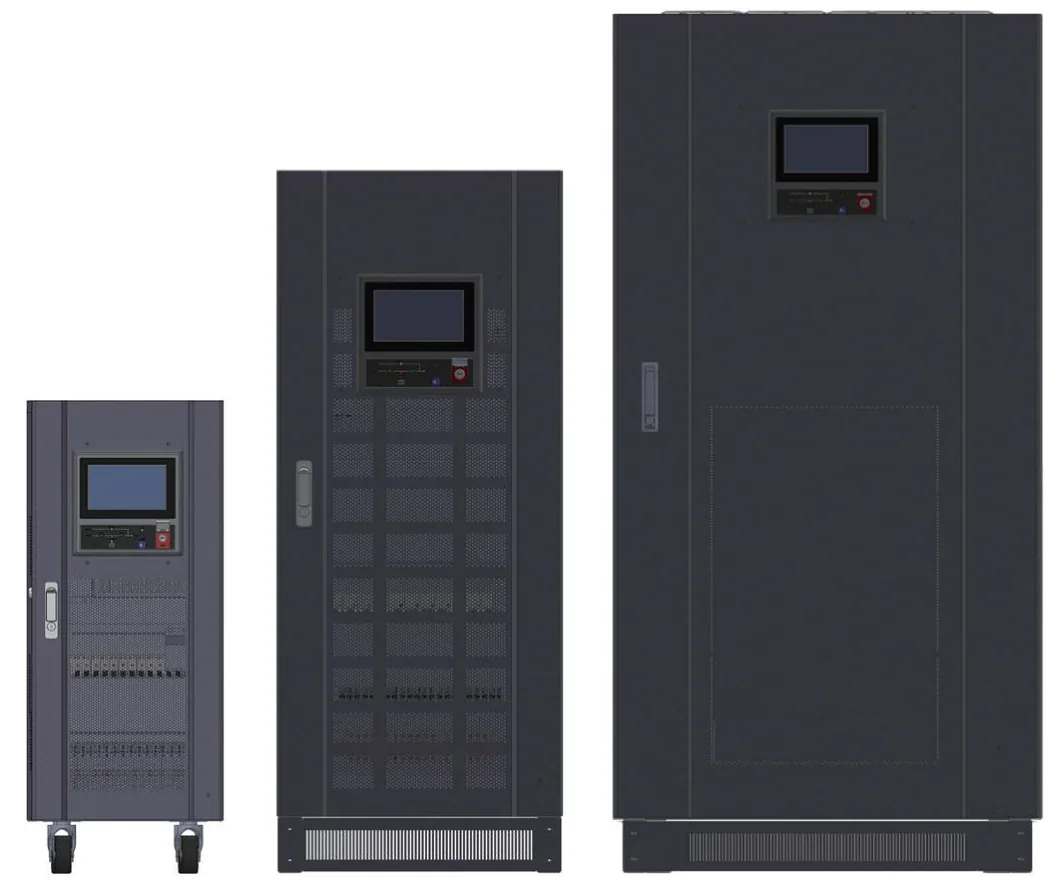
3YT / GP Series · 10–200 kVA
Three-Phase Online UPS
Three-phase double conversion for facility and industrial loads.
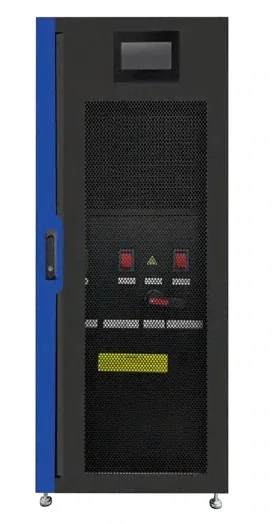
Modular frames · 10–600 kVA
Modular UPS
Scale capacity and redundancy one hot-swappable module at a time.
Industrial frame · 10–200 kVA
Industrial UPS
Wide input, high overload, and harsh-environment protection.
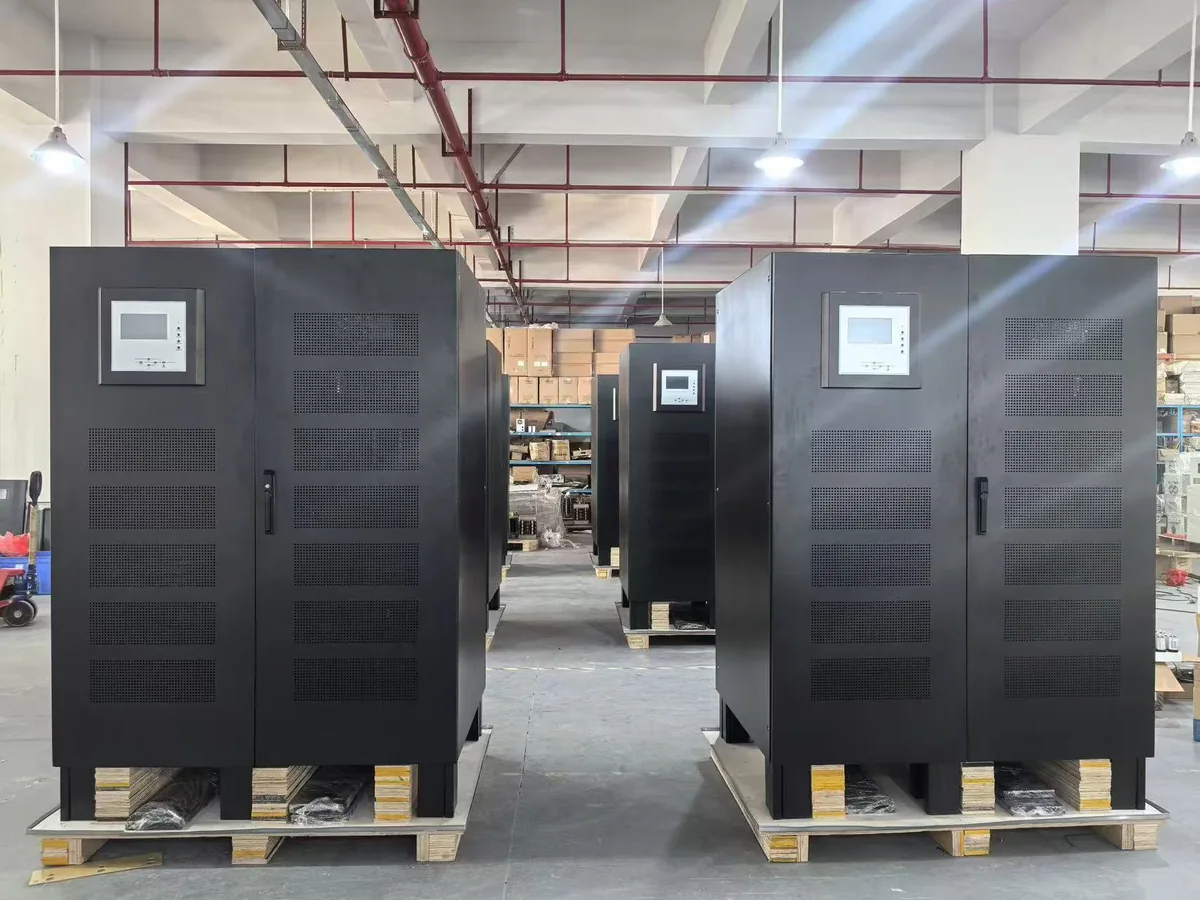
SBW Series · 10–2000 kVA
SBW Servo Stabilizer
Heavy-duty servo stabilization for large industrial and medical loads.
Questions from project buyers.
Project-specific answers. If your question is not here, send the load list and the site conditions.
Talk to an engineer Are you a manufacturer or a trading company?
The product range, model tables and test records on this site describe what is built and shipped. Ask for the factory test record and the certificate scope with model numbers — those two documents are the practical test of any supplier, including us.
What is the minimum order for OEM branding?
It depends on the platform and the change: panel and manual branding is a different job from a new output configuration. Send the model and the change you need and the MOQ is confirmed in writing with the quotation.
Can you supply UPS and batteries together?
Yes. UPS, VRLA and LiFePO4 batteries, stabilizers, inverters and the power-room infrastructure are all in the catalogue, so the battery bus, charger and runtime can be specified as one package.
Which certifications can be provided?
CE, ISO 9001, RoHS, IEC 62040 and UN38.3 documentation is available by model. The certificate is issued against the exact model and configuration, so confirm the scope against the model you are ordering.
Do you supply to distributors and contractors?
Yes. Distributors, electrical contractors, system integrators and project buyers are the main channels; OEM and ODM programmes sit alongside them.
Send the load list. We will return the configuration.
Tell us the kW, the backup time, the phase, and the site country. You will get a capacity recommendation, a battery configuration, and the model sheet.
- Capacity and topology recommendation
- Battery bank and runtime estimate
- Model sheet and commercial offer
Request a configuration and quotation
Send the load list, backup time, and site conditions. We will return a capacity recommendation, battery configuration, and commercial offer.